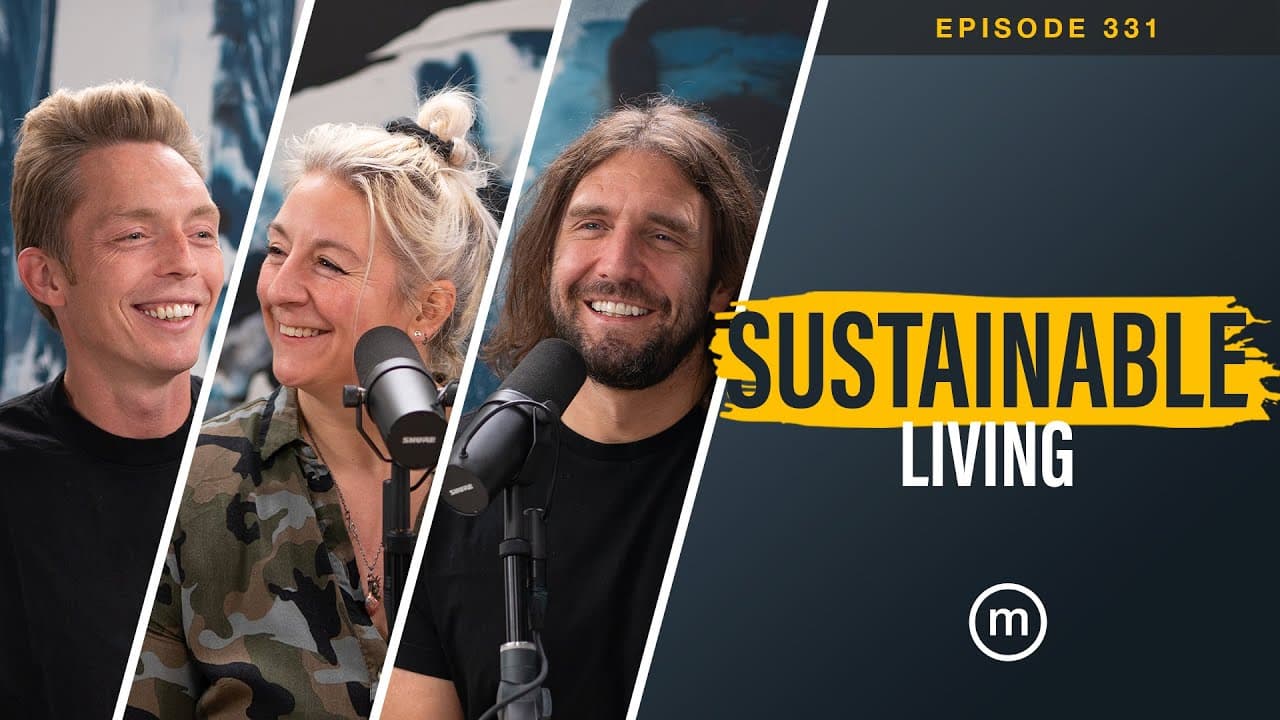
Ep. 331 | Sustainable Living (with Claire Potter)
TL;DR
Discussing sustainable living and circular economy with Claire Potter.
Transcript
hello minimizers welcome to the minimalist podcast where we discuss what it means to live a meaningful life with less my name is Joshua Fields Milburn and I'm Ryan Nicodemus and together we are the minimalists the less we consume the less waste we produce amen but that's only one way that minimalism helps the environment today on the show we're tal... Read More
Key Insights
- The pandemic increased waste due to disposable masks and PPE, highlighting the need for sustainable alternatives.
- Biodegradable plastics require specific conditions to decompose, often not met in regular environments.
- Plastic is a versatile material but its single-use nature contributes to environmental issues.
- The circular economy aims to eliminate waste by mimicking nature's cycle, unlike linear or recycling economies.
- Sustainability goes beyond maintaining current systems; it requires rethinking and redesigning for future viability.
- Individual actions matter, but systemic changes and regulations are crucial for significant environmental impact.
- Veganism and meat consumption both have environmental impacts; the focus should be on sustainable practices.
- Inspiring sustainable living involves demonstrating benefits rather than coercing others.
Install to Summarize YouTube Videos and Get Transcripts
Explore YouTube Video Summarizer or Get YouTube Transcript Extractor
Questions & Answers
Q: What impact did the pandemic have on our environment with all of the disposable items designed to protect us from infection, and how can we move forward safely with less waste?
The pandemic significantly increased waste due to the widespread use of disposable masks, gloves, and other PPE. This highlighted the need for sustainable alternatives and better waste management systems. Moving forward, we can focus on reusable options and improving waste disposal practices to reduce environmental impact.
Q: How biodegradable are biodegradable plastics?
Biodegradable plastics require specific conditions, such as high temperatures and industrial composting facilities, to decompose effectively. In typical environments, they may not break down as intended, leading to similar environmental issues as traditional plastics. This underscores the need for improved waste management systems.
Q: What are the pros and cons of plastic?
Plastic is a versatile and durable material that contributes to safety and efficiency in various industries. However, its single-use nature and improper disposal contribute to significant environmental issues, such as pollution and harm to wildlife. The challenge lies in balancing its benefits with sustainable practices.
Q: How do we stay motivated and inspire others to live a sustainable, minimalist lifestyle when those around us do not?
Staying motivated involves focusing on the benefits of sustainable living and leading by example. Inspiring others requires demonstrating these benefits rather than coercing them. Engaging in conversations and showing the positive impacts of sustainable practices can encourage others to adopt similar lifestyles.
Q: What is your perspective regarding sustainability?
Sustainability is about creating systems that can be maintained indefinitely without depleting resources or harming the environment. It involves rethinking and redesigning current systems to be more efficient and regenerative, aligning with natural processes rather than sustaining broken systems.
Q: What is the 'circular economy'?
The circular economy is a model that aims to eliminate waste by creating closed-loop systems where resources are reused and regenerated, mimicking nature's processes. Unlike linear or recycling economies, it focuses on designing products and systems that maintain value and minimize environmental impact.
Q: How much does farming crops damage the environment compared to farming meat?
Both crop and meat farming have environmental impacts, but the methods used can significantly influence their effects. Factory farming and non-regenerative practices contribute to environmental degradation. Sustainable practices, such as regenerative agriculture, can mitigate these impacts by promoting biodiversity and reducing pollution.
Q: How do we frame sustainable living to interest non-environmentalists?
Framing sustainable living to non-environmentalists involves highlighting the personal and economic benefits, such as cost savings, improved health, and enhanced quality of life. Demonstrating these advantages can make sustainability more appealing and accessible, encouraging broader adoption.
Summary & Key Takeaways
-
The Minimalists discuss the impact of the pandemic on waste and the environment, emphasizing the need for sustainable solutions. Claire Potter introduces the concept of the circular economy, which aims to eliminate waste by creating systems that mimic nature's processes.
-
The discussion highlights the pros and cons of plastic, the importance of individual actions, and the role of regulations in promoting sustainability. The conversation also touches on the complexities of veganism and meat consumption in relation to environmental impact.
-
To inspire sustainable living, it's essential to demonstrate the benefits rather than coercing others. Understanding the systems we are part of and making intentional choices can lead to meaningful change.
Read in Other Languages (beta)
Share This Summary 📚
Summarize YouTube Videos and Get Video Transcripts with 1-Click
Try YouTube Summary with ChatGPT & Claude or YouTube Transcript Generator
Explore More Summaries from The Minimalists Podcast 📚






Summarize YouTube Videos and Get Video Transcripts with 1-Click
Try YouTube Summary with ChatGPT & Claude or YouTube Transcript Generator