The Truth of the Salem Witch Trials
TL;DR
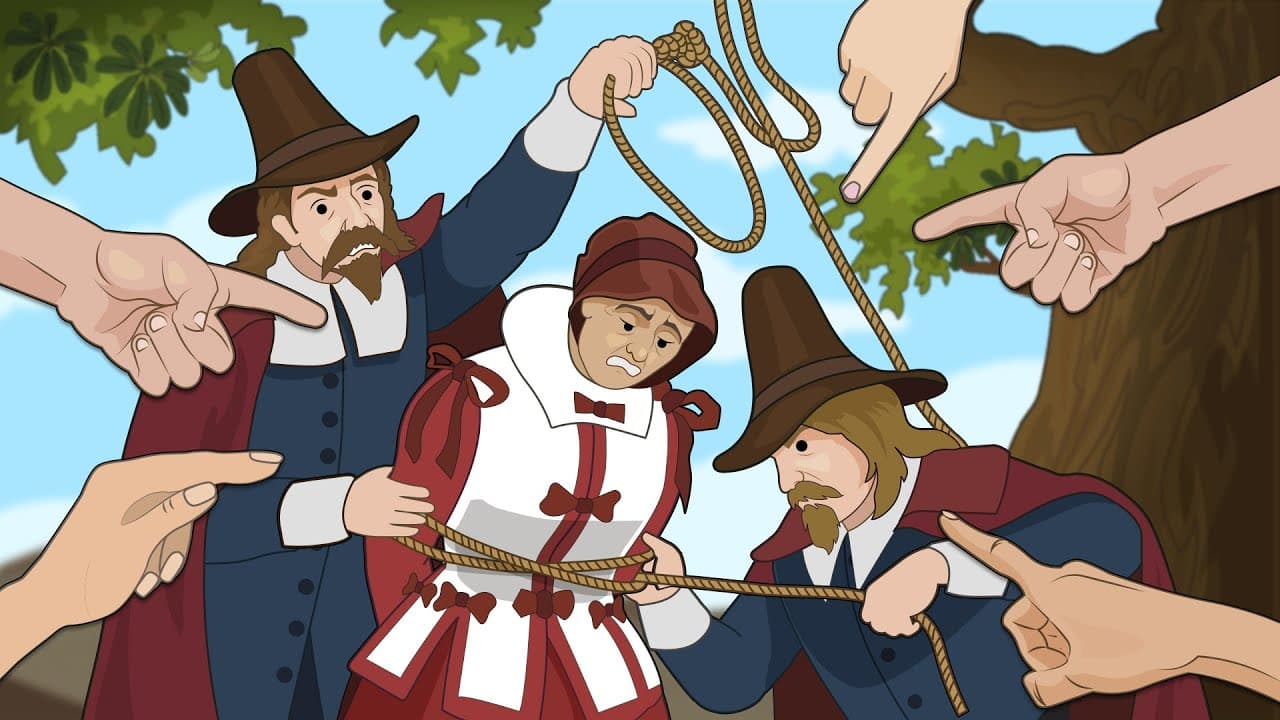
The Salem Witch Trials were a mass hysteria in 1692 Massachusetts, resulting in the imprisonment and execution of innocent individuals accused of witchcraft.
Transcript
the truth of the Salem witch trials in 1692 seemingly out of nowhere a small County in Massachusetts was gripped by mass hysteria that led to the imprisonment of 150 people and the execution of 14 innocent women and six men of just the space of one short year their alleged crime witchcraft Witch Trials were not unheard of in medieval Europe they we... Read More
Key Insights
- 😨 The Salem Witch Trials were a result of mass hysteria, fueled by a divided community, religious beliefs, and fears of the devil's presence.
- 👨👩👧 The initial accusers were young girls, influenced by their family connections and societal tensions.
- 😇 The use of spectral evidence and unfair tests led to the wrongful imprisonment and execution of many innocent individuals.
Install to Summarize YouTube Videos and Get Transcripts
Explore YouTube Video Summarizer or Get YouTube Transcript Extractor
Questions & Answers
Q: How did the Salem Witch Trials differ from previous witch hunts in New England?
The Salem Witch Trials were unprecedented in terms of the colony's inhabitants' strong belief in the devil's presence, influenced by recent raids by perceived devil worshipers, such as Indians, Anglicans, and Quakers.
Q: Who were the initial victims and why?
The first victims were three women accused by the afflicted children: Sarah Good, Sarah Osborne, and Tituba. Good and Osborne were seen as susceptible due to societal beliefs about women, while Tituba's status as a slave and her involvement in a witch-identifying cake implicated her.
Q: How were the accused individuals put to trial?
Governor William Phipps appointed the Court of Oyer and Terminar to handle the trials, with Chief Justice William Stoughton allowing spectral evidence, where people claimed to have seen ghostly versions of the accused. Other unfair tests, including the prayer test, were used as evidence.
Q: How did the Salem Witch Trials come to an end?
As criticism of the procedures grew, Governor Phipps dissolved the Court of Oyer and Terminar and replaced it with a court that excluded spectral evidence. By May 1693, the trials ended, and those in prison were pardoned and released.
Summary & Key Takeaways
-
In 1692, a small county in Massachusetts experienced mass hysteria, leading to the imprisonment of 150 people and the execution of 14 women and 6 men for allegedly practicing witchcraft.
-
The trials were sparked by fits experienced by two young girls, Elizabeth Paris and Abigail Williams, which were believed to be caused by witches.
-
Salem Village, divided between farmers and merchants, had hostilities that allowed rumors of witchcraft to take hold, fueled by a devout Christian community and fears of the devil's presence.
Read in Other Languages (beta)
Share This Summary 📚
Summarize YouTube Videos and Get Video Transcripts with 1-Click
Try YouTube Summary with ChatGPT & Claude or YouTube Transcript Generator
Explore More Summaries from Simple History 📚





Summarize YouTube Videos and Get Video Transcripts with 1-Click
Try YouTube Summary with ChatGPT & Claude or YouTube Transcript Generator