Trappist - 1 Update 04/10/17 and an Announcement
TL;DR
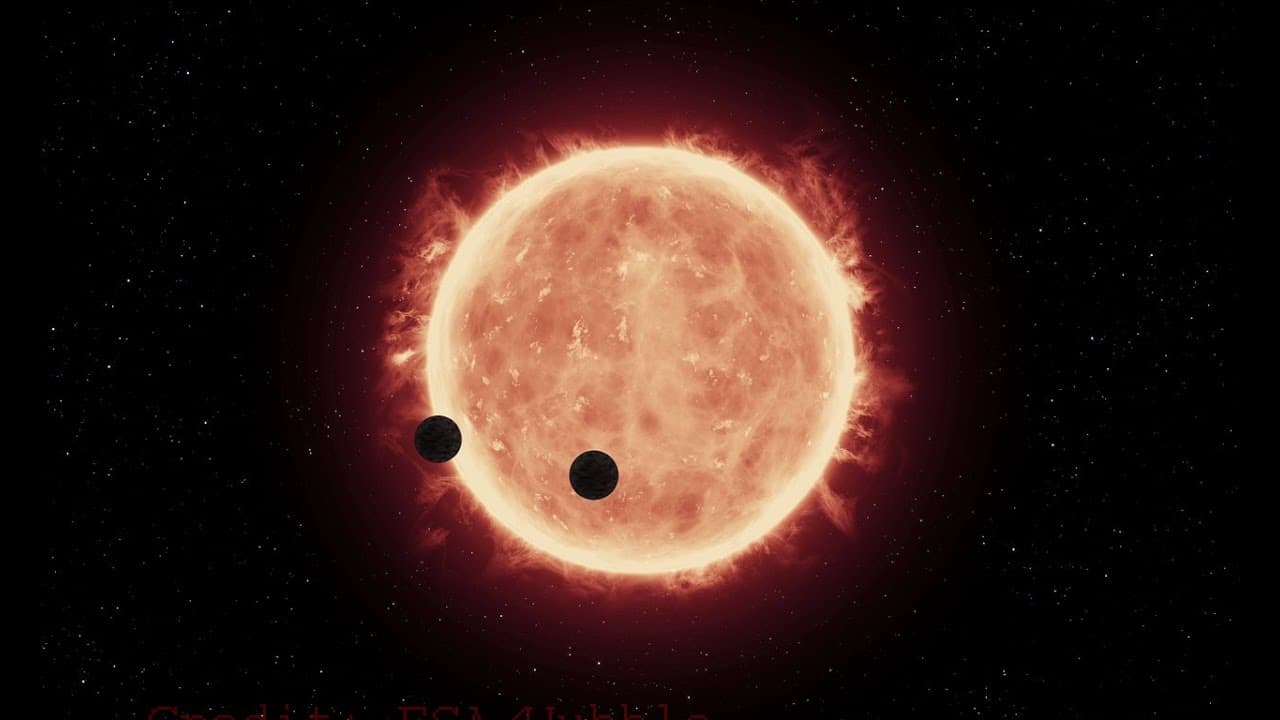
The Trappist-1 system's potential for habitability is analyzed, including the role of the outermost planet, high ultraviolet radiation, solar flares, and the possibility of panspermia.
Transcript
This video is part of my continuing coverage of the Trappist - 1 system. This star system is known to harbor at least 7 roughly earth-sized planets, and may hold the potential for liquid water on at least one of them. For the back story on this system, see my previous videos on this channel. Much new information has come to light about this system,... Read More
Key Insights
- 🪐 The uncertainties surrounding the Trappist-1 system make it challenging to determine the true nature of these potentially habitable planets.
- 🪐 The role of the outermost planet, Trappist-1h, and its potential habitability are still being investigated.
- 🤩 High ultraviolet radiation and solar flares from the Trappist-1 star pose challenges to the habitability of these planets.
- 🤕 The age of the Trappist-1 system supports the potential for life, despite the absence of any indications of advanced civilizations.
- 🤘 Future studies using advanced telescopes will help scientists examine the atmospheres of the Trappist-1 planets and potentially detect signs of life.
- 😚 The Trappist-1 system's close proximity and potential for panspermia increase the chances of long-term habitability.
- 🍺 The Trappist telescope, after which the system is named, has connections to Belgian beers, with the planets informally nicknamed after these beers.
Install to Summarize YouTube Videos and Get Transcripts
Explore YouTube Video Summarizer or Get YouTube Transcript Extractor
Questions & Answers
Q: Can Trappist-1h support life with its potential for liquid water?
Trappist-1h, if it has the right atmosphere including a mix of hydrogen, nitrogen, and carbon dioxide, could potentially harbor liquid water and support life.
Q: How do solar flares from the Trappist-1 star affect the planets' atmospheres?
Solar flares from Trappist-1 could continuously alter the atmospheres of the planets, potentially making them less favorable for life.
Q: How does the age of the Trappist-1 system impact its potential for life?
The Trappist-1 system is estimated to be between 3 and 8 billion years old, which increases the potential for life as advanced civilizations can develop over such time spans.
Q: Could panspermia play a role in the potential habitability of the Trappist-1 planets?
The close proximity of the Trappist-1 planets makes them prime candidates for panspermia, where life could have been transferred between planets, increasing the chances of habitability.
Summary & Key Takeaways
-
The Trappist-1 system, with 7 planets, holds the potential for liquid water and habitability, but uncertainties remain.
-
Recent observations suggest that Trappist-1h could harbor liquid water with the right atmosphere, but stability is still a question.
-
High ultraviolet radiation and frequent solar flares from the Trappist-1 star may negatively impact the potential habitability of the planets.
Read in Other Languages (beta)
Share This Summary 📚
Summarize YouTube Videos and Get Video Transcripts with 1-Click
Try YouTube Summary with ChatGPT & Claude or YouTube Transcript Generator
Explore More Summaries from John Michael Godier 📚


Summarize YouTube Videos and Get Video Transcripts with 1-Click
Try YouTube Summary with ChatGPT & Claude or YouTube Transcript Generator