How Does Brain-to-Text Technology Help Paralyzed Individuals?
TL;DR
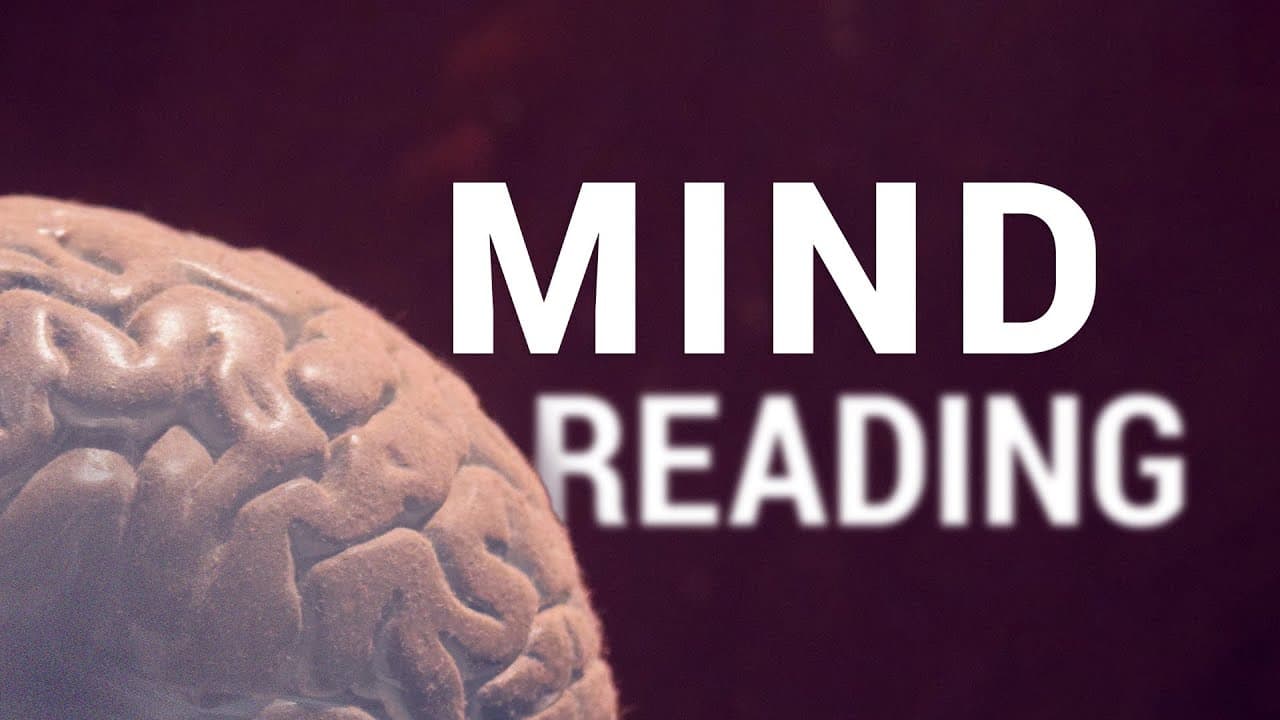
Brain-to-text technology allows paralyzed individuals to type 90 characters per minute just by imagining writing letters, achieving over 94% accuracy. This system uses a recurrent neural network to decode neural activity and features an optimized alphabet that reduces confusion among similar letters, enhancing the efficiency of the communication process.
Transcript
Dear Fellow Scholars, this is Two Minute Papers with Dr. Károly Zsolnai-Fehér. Today, we are going to read some minds. A few months ago, our first video appeared on brain machine interfaces. It was about a paper from Neuralink, which promised a great deal. For instance, they proposed a brain machine interface that could read this pig’s thoughts as ... Read More
Key Insights
- 💌 Brain-to-text transcription systems enable paralyzed individuals to communicate by simply imagining writing letters, achieving impressive typing speeds and accuracy.
- 🔤 The optimized alphabet designed for neural network decoding reduces confusion between similar letters, improving the efficiency of the system.
- 😒 The use of neural networks allows decoding of complex thoughts and squiggles, expanding possibilities beyond traditional methods of communication.
- 🧠 Research in this field is a continuous process, with potential advancements in non-invasive devices and further improvements in brain-machine interfaces.
Install to Summarize YouTube Videos and Get Transcripts
Explore YouTube Video Summarizer or Get YouTube Transcript Extractor
Questions & Answers
Q: How does the brain-to-text transcription system work?
The system records neural activity as the participant imagines writing one letter at a time. Decoded signals are projected into a 2D latent space, making it easier to distinguish which letter corresponds to which region. A recurrent neural network is then used to decode the brain activity and determine the imagined character.
Q: What is the typing speed achieved by paralyzed individuals using this system?
Paralyzed individuals using the brain-to-text transcription system can type at a speed of 90 characters per minute, which is about 80% as fast as the average typing speed on a smartphone screen for an able-bodied person of the same age group.
Q: What are the limitations of the brain-to-text transcription system?
The system has limitations such as the inability to edit or delete text, no access to capital letters, and a calibration step that takes a long time. However, shortening the calibration time does not significantly affect the system's performance.
Q: Why was there only one participant in the user study?
The brain-to-text transcription system requires a microelectrode array, which requires surgery to insert. These studies are difficult to perform and are usually done when a participant has brain surgery for other reasons. Having more participants is usually expensive and challenging with this type of brain implant.
Summary & Key Takeaways
-
Stanford University and other institutions created a brain-to-text transcription system that allows paralyzed individuals to type by imagining writing letters, achieving a typing speed of 90 characters per minute with over 94% accuracy.
-
The system utilizes a recurrent neural network to decode neural activity and determine which letter is being imagined.
-
The optimized alphabet used in the system reduces confusion between similar letters, making the decoding process easier and more accurate.
Read in Other Languages (beta)
Share This Summary 📚
Summarize YouTube Videos and Get Video Transcripts with 1-Click
Try YouTube Summary with ChatGPT & Claude or YouTube Transcript Generator
Explore More Summaries from Two Minute Papers 📚





Summarize YouTube Videos and Get Video Transcripts with 1-Click
Try YouTube Summary with ChatGPT & Claude or YouTube Transcript Generator