How to Use 1031 Exchange for Wealth Building
TL;DR
A 1031 exchange allows investors to defer taxes on property sales by reinvesting in new properties, thereby accelerating wealth growth. By strategically trading properties, investors can increase cash flow and equity positions. Regular portfolio reviews and understanding market conditions are essential for maximizing the benefits of 1031 exchanges.
Transcript
this is james danner with heat nano real estate in project re we are back on bigger pockets youtube channel and today we're going to talk about hyper accelerating your wealth through 1031 exchanges and how i took my portfolio of 12 doors and turned it into over 300. only problem i bought it from a fake seller james danner just walked over to my des... Read More
Key Insights
- A 1031 exchange allows property owners to defer taxes by reinvesting sale proceeds into new properties.
- The key benefit of a 1031 exchange is the ability to increase cash flow and equity without immediate tax implications.
- Annual portfolio reviews help investors decide if a 1031 exchange is beneficial for their investment strategy.
- Investors should evaluate cash on cash return and return on equity to determine if a 1031 exchange is advantageous.
- Properties with significant upside potential or located in growth areas may not be ideal candidates for 1031 exchanges.
- Dead time on money during renovations can impact cash flow; careful planning is needed to manage this.
- Setting clear financial goals helps investors decide when to use 1031 exchanges for portfolio growth.
- Case studies, like trading condos for a multi-unit property, demonstrate the potential for increased cash flow and equity.
Install to Summarize YouTube Videos and Get Transcripts
Explore YouTube Video Summarizer or Get YouTube Transcript Extractor
Questions & Answers
Q: How does a 1031 exchange work?
A 1031 exchange allows real estate investors to defer capital gains taxes on the sale of a property by reinvesting the proceeds into a similar property. The process involves selling an existing property and identifying a new property to purchase within 45 days, with the entire transaction completed within 180 days. This strategy helps investors grow their portfolios without immediate tax liabilities.
Q: What are the benefits of a 1031 exchange?
The primary benefits of a 1031 exchange include deferring capital gains taxes, increasing cash flow, and enhancing equity positions. By reinvesting proceeds into new properties, investors can acquire larger or more profitable assets, thereby accelerating wealth accumulation. This approach also allows for more strategic portfolio management and the potential to leverage increased equity for future investments.
Q: When should an investor consider a 1031 exchange?
Investors should consider a 1031 exchange when their current properties have maximized their equity potential and offer limited future appreciation. Annual portfolio evaluations focusing on cash flow, appreciation rates, and equity positions can help identify the right timing. Additionally, if market conditions favor acquiring more lucrative properties, a 1031 exchange can facilitate such strategic upgrades.
Q: What are the risks associated with 1031 exchanges?
Risks of 1031 exchanges include the tight timeline for identifying and closing on new properties, potential dead time on money during renovations, and the possibility of not achieving expected returns on new investments. Investors must carefully plan and evaluate market conditions to mitigate these risks, ensuring that the benefits outweigh the potential downsides of the exchange.
Q: How can dead time on money affect a 1031 exchange?
Dead time on money refers to the period during which an investor is not generating income from the property due to renovations or other factors. This can impact cash flow and overall returns, particularly if the renovation period extends beyond initial estimates. Investors should account for this downtime in their financial planning, ensuring they have sufficient reserves to cover expenses during the transition.
Q: What factors should be considered before doing a 1031 exchange?
Before undertaking a 1031 exchange, investors should consider the potential for future appreciation of the current property, the cost of dead time on money during renovations, and the overall impact on their financial goals. Evaluating cash on cash return and return on equity is crucial to determine if the exchange will enhance the portfolio's performance and align with long-term investment objectives.
Q: How does portfolio evaluation aid in 1031 exchange decisions?
Portfolio evaluation aids in 1031 exchange decisions by providing insights into the current performance of properties, including cash flow, appreciation rates, and equity positions. Regular assessments help investors identify underperforming assets and opportunities for strategic upgrades. By understanding these metrics, investors can make informed decisions about when and how to execute a 1031 exchange for optimal portfolio growth.
Q: What strategic steps did James Dainard take in his 1031 exchange?
James Dainard strategically planned his 1031 exchange by identifying new investment opportunities before listing his existing properties. He targeted a value-add multi-unit property, allowing for increased cash flow and equity. By conducting off-market campaigns and negotiating favorable terms, he minimized the pressure of the 45-day identification period, ensuring a smooth transition and significant portfolio growth.
Summary & Key Takeaways
-
A 1031 exchange allows investors to defer taxes on property sales by reinvesting the proceeds into new properties, facilitating wealth growth. By trading properties strategically, investors can boost cash flow and equity positions. Regular portfolio evaluations and understanding market conditions are crucial for leveraging the benefits of 1031 exchanges.
-
Investors should assess their portfolios annually, focusing on cash flow, appreciation rates, and equity positions. Properties with high potential for appreciation or located in growing areas may not be ideal for 1031 exchanges. Evaluating cash on cash return and return on equity helps determine if a 1031 exchange is beneficial.
-
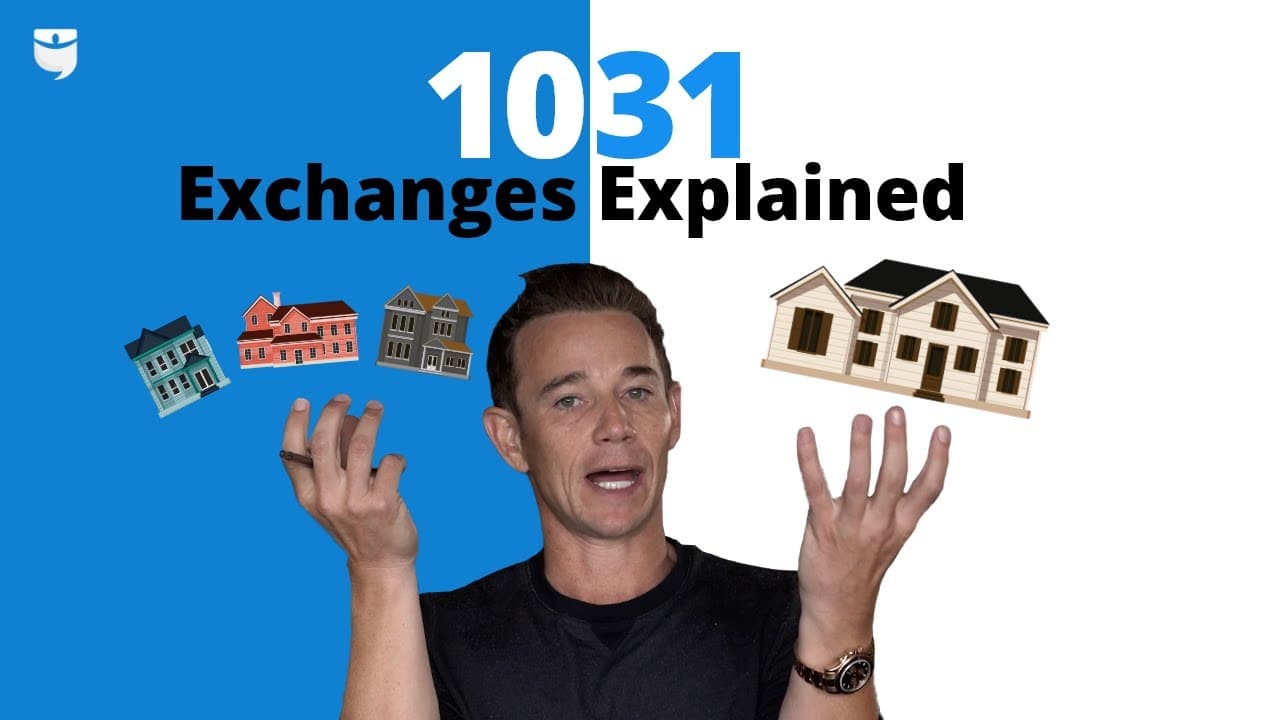
James Dainard shares a case study where he traded three condos for a multi-unit property, significantly increasing his cash flow and equity. The process involved careful planning, including identifying new investments before selling existing properties. This strategy showcases the potential of 1031 exchanges to rapidly grow real estate portfolios.
Read in Other Languages (beta)
Share This Summary 📚
Summarize YouTube Videos and Get Video Transcripts with 1-Click
Try YouTube Summary with ChatGPT & Claude or YouTube Transcript Generator
Explore More Summaries from BiggerPockets 📚






Summarize YouTube Videos and Get Video Transcripts with 1-Click
Try YouTube Summary with ChatGPT & Claude or YouTube Transcript Generator