What DNA ancestry tests can — and can’t — tell you
TL;DR
DNA ancestry tests provide probabilities, not definitive origins.
Transcript
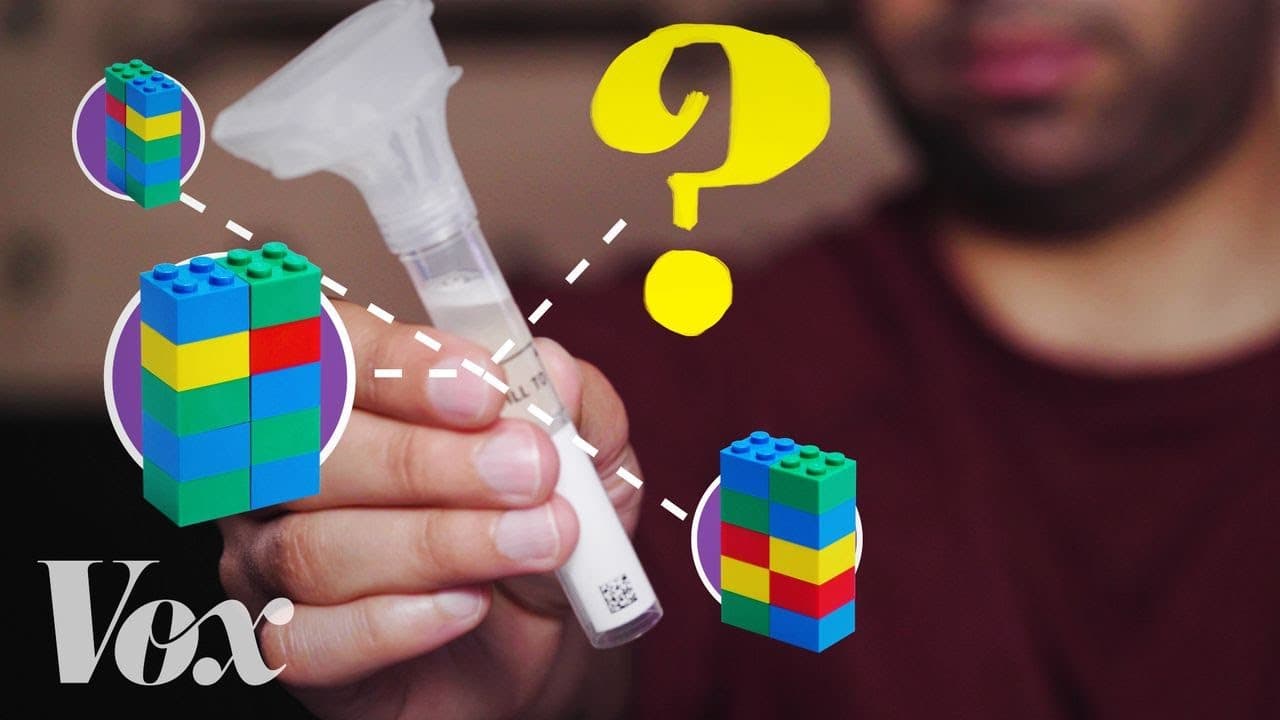
So I recently took one of those at-home DNA ancestry tests. All I had to do was fill up a vial with a disgusting amount of spit and mail it off for analysis. We're gonna be here for a very long time. I just spit it back up in my nose. A couple weeks later, this is what I got: It's a neat little pie chart with these specific percentages that were co... Read More
Key Insights
- DNA ancestry tests analyze a small fraction of your DNA, focusing on specific SNPs to provide results, which can lead to misunderstandings about your genetic background.
- The results are probabilities based on reference populations, not exact indicators of ancestral origins, leading to varying outcomes from different companies.
- Ancestry tests often reinforce outdated ideas of distinct racial categories, which can impact societal views on race and identity.
- The SNPs used in these tests are found across multiple populations, complicating the classification of genetic markers to specific ethnic groups.
- Marketing of DNA tests often misleads consumers into thinking they provide detailed ancestral information, which is not the case.
- Small trace percentages in results are often not meaningful, as they can be influenced by the limited size of reference populations.
- Despite their limitations, DNA tests are popular for discovering potential relatives and providing some insight into genetic backgrounds.
- The growing database of genetic information from these tests is becoming a resource for law enforcement, raising privacy concerns.
Install to Summarize YouTube Videos and Get Transcripts
Explore YouTube Video Summarizer or Get YouTube Transcript Extractor
Questions & Answers
Q: What do DNA ancestry tests actually analyze?
DNA ancestry tests analyze a small fraction of your DNA, focusing on specific single-nucleotide polymorphisms (SNPs). These SNPs represent a tiny portion of the genetic code where variations occur, and testing companies compare these patterns to reference populations to provide results. However, this method has limitations and can lead to misinterpretations.
Q: Why do different DNA testing companies provide varying results?
Different DNA testing companies may provide varying results because they use different reference populations and databases. Each company assembles its reference populations based on academic research and customer data, leading to discrepancies. This variability highlights the probabilistic nature of the results rather than providing definitive ancestral origins.
Q: How can DNA ancestry tests reinforce outdated racial beliefs?
DNA ancestry tests can reinforce outdated racial beliefs by presenting results as distinct percentage breakdowns, suggesting clear biological differences between racial categories. This can lead to misconceptions about race and identity, as the tests often imply that racial categories are genetically distinct, which is not supported by scientific evidence.
Q: What are the limitations of small trace percentages in DNA test results?
Small trace percentages in DNA test results are often not meaningful because they can be influenced by the limited size of reference populations. These percentages may change if the reference database is updated or expanded. Therefore, minor percentages should be interpreted cautiously and not taken as definitive indicators of ancestry.
Q: Why are DNA ancestry tests still popular despite their limitations?
Despite their limitations, DNA ancestry tests remain popular because they offer individuals a glimpse into their genetic background and potential connections to relatives. For those with limited knowledge of their ancestry, these tests provide the best available estimates, making them appealing for personal exploration and family history research.
Q: What privacy concerns arise from the use of DNA ancestry tests?
Privacy concerns arise from DNA ancestry tests due to the increasing use of genetic databases by law enforcement. Even individuals who have not taken a test can be affected if their relatives have. The potential for genetic information to be used in ways beyond consumer expectations raises ethical and privacy issues that require careful consideration.
Q: How do DNA tests mislead consumers through marketing?
DNA tests often mislead consumers through marketing by suggesting they provide detailed ancestral information and pinpoint exact origins. However, the results are probabilistic estimates based on limited data, not definitive ancestral narratives. This can lead to consumer misconceptions about the accuracy and scope of what these tests can truly reveal.
Q: What is the role of SNPs in DNA ancestry tests?
SNPs, or single-nucleotide polymorphisms, play a crucial role in DNA ancestry tests as they represent the specific positions in the genetic code where variations occur among individuals. Testing companies analyze these variations to estimate genetic similarities with reference populations, forming the basis of the probabilistic results provided to consumers.
Summary & Key Takeaways
-
DNA ancestry tests analyze a small portion of your DNA, providing probabilities rather than definitive ancestral origins. The results are based on reference populations and can vary between different testing companies.
-
The marketing of these tests often misleads consumers, leading to misconceptions about race and identity. The results can reinforce outdated beliefs about distinct racial categories.
-
Despite their limitations, DNA tests are popular for discovering relatives and providing some insight into genetic backgrounds. However, the growing genetic database raises privacy concerns, especially with law enforcement access.
Read in Other Languages (beta)
Share This Summary 📚
Summarize YouTube Videos and Get Video Transcripts with 1-Click
Try YouTube Summary with ChatGPT & Claude or YouTube Transcript Generator
Explore More Summaries from Vox 📚


Summarize YouTube Videos and Get Video Transcripts with 1-Click
Try YouTube Summary with ChatGPT & Claude or YouTube Transcript Generator