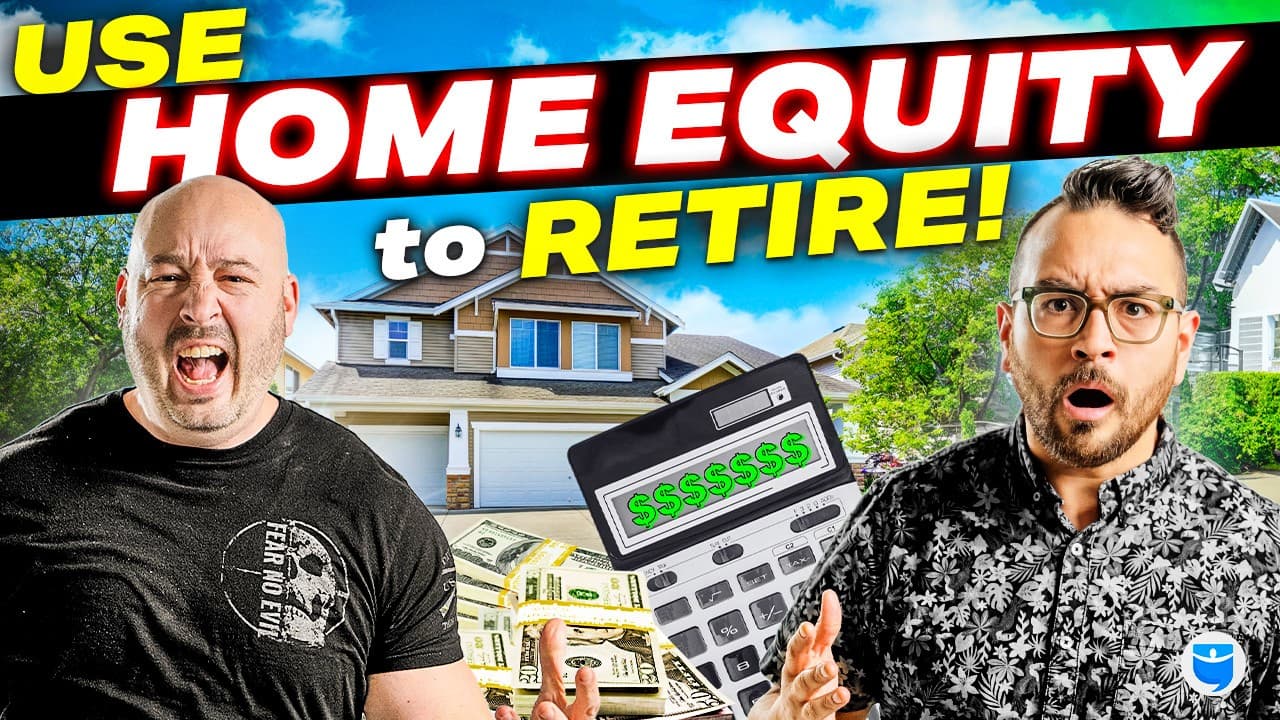
How to Use Your Home Equity to Retire Early
TL;DR
Learn how to use home equity and navigate real estate challenges.
Transcript
this is the Bigger Pockets podcast show 849 what's going on everyone it's David Green your host of the Bigger Pockets real estate podcast the number one real estate podcast in the world every week bringing you up-to-date information how-tos and stories of successful investors that include how they did it and how you can too today's episode is a see... Read More
Key Insights
- Home equity can be a powerful tool for early retirement if used strategically, but it requires careful planning and understanding of the market.
- HOAs can significantly impact cash flow and should be considered carefully before investing in properties within such associations.
- In a challenging market, real estate investing becomes more complex, requiring a shift from simple strategies to more nuanced decision-making.
- Flipping houses in today's market demands a professional level of expertise due to increased risks and market volatility.
- When considering a HELOC, it's important to weigh the benefits and risks, especially in a fluctuating market where interest rates and property values can change.
- Investors are encouraged to look for opportunities in markets with strong appreciation potential, even if cash flow is not immediately apparent.
- Real estate investing requires a balance between cash flow and appreciation, and investors should be prepared to adapt their strategies as market conditions change.
- It's crucial for investors to have a clear understanding of their financial goals and to choose investment strategies that align with their risk tolerance and long-term objectives.
Install to Summarize YouTube Videos and Get Transcripts
Explore YouTube Video Summarizer or Get YouTube Transcript Extractor
Questions & Answers
Q: What should I consider when using home equity for early retirement?
When using home equity for early retirement, consider the current market conditions, potential appreciation, and your long-term financial goals. It's important to have a clear plan for how the equity will be used to generate cash flow and to be aware of the risks involved, such as interest rate fluctuations and property value changes.
Q: How do HOAs affect real estate investments?
HOAs can significantly impact real estate investments by increasing costs and reducing cash flow. They can raise fees unexpectedly and impose special assessments, which can strain an investor's finances. It's crucial to thoroughly research the HOA's financial health and management before investing in a property governed by an HOA.
Q: Is flipping houses a good strategy in the current market?
Flipping houses in the current market requires a high level of expertise due to increased risks and market volatility. It's not recommended for inexperienced investors, as mistakes can lead to significant financial losses. Professional flippers with a deep understanding of construction and market dynamics are more likely to succeed.
Q: What are the risks of using a HELOC in today's market?
The risks of using a HELOC in today's market include rising interest rates, which can increase monthly payments, and the potential for property values to decline, reducing available equity. Investors should carefully consider their ability to manage these risks before relying on a HELOC for investment purposes.
Q: Should I focus on cash flow or appreciation when investing?
The decision to focus on cash flow or appreciation depends on your financial goals and market conditions. In some markets, appreciation potential may outweigh immediate cash flow, while in others, stable cash flow may be more attainable. Investors should balance both aspects and adapt their strategies as needed.
Q: How can I mitigate the risks of real estate investing?
To mitigate the risks of real estate investing, diversify your portfolio, conduct thorough market research, and maintain a financial cushion for unexpected expenses. It's also important to stay informed about market trends and to be flexible in adapting your investment strategy to changing conditions.
Q: What should I do if my real estate investment is not performing as expected?
If your real estate investment is not performing as expected, evaluate the factors affecting its performance, such as market conditions, management, and property condition. Consider whether selling, refinancing, or repositioning the property could improve its performance. Consulting with a real estate professional can also provide valuable insights.
Q: How can I find good investment opportunities in a competitive market?
In a competitive market, finding good investment opportunities requires diligence and creativity. Network with other investors, work with experienced real estate agents, and explore off-market deals. Be open to different types of properties and investment strategies, and always perform thorough due diligence before committing to a purchase.
Summary & Key Takeaways
-
The podcast discusses how to leverage home equity to retire early, highlighting the importance of strategic planning and market understanding. It also covers the challenges of investing in properties with HOAs and the complexities of the current real estate market.
-
David Greene and Rob Abasolo provide insights into real estate investing, emphasizing the need for careful decision-making in a tricky market. They address questions from listeners, offering advice on using home equity and dealing with HELOCs.
-
Listeners are advised to consider market conditions, appreciation potential, and personal financial goals when investing in real estate. The discussion also touches on the risks of flipping houses and the impact of HOAs on cash flow.
Read in Other Languages (beta)
Share This Summary 📚
Summarize YouTube Videos and Get Video Transcripts with 1-Click
Try YouTube Summary with ChatGPT & Claude or YouTube Transcript Generator
Explore More Summaries from BiggerPockets 📚




Summarize YouTube Videos and Get Video Transcripts with 1-Click
Try YouTube Summary with ChatGPT & Claude or YouTube Transcript Generator