How to Reframe Problems for Positive Outcomes

TL;DR
All problems, questions, and solutions are inherently the same size; it is our perception and the energy we give them that make them seem larger. By reframing challenges through a catalytic framework and focusing on gratitude, we can reduce their perceived size and impact, leading to more effective problem-solving and personal growth.
Transcript
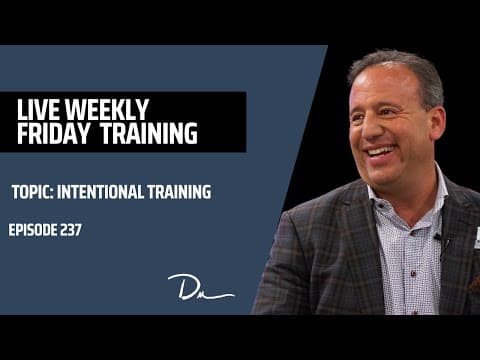
all problems are the same size all questions are the same size all solutions are the same size they're just all the same size they just are we like things to grow arms and legs ready and what happens when we allow a problem a challenge to grow arms and legs we're actually giving it energy that we actually are giving it more validity more statistica... Read More
Key Insights
- All problems, questions, and solutions are the same size; it's our perception that varies.
- Giving energy to a problem makes it grow and seem more significant.
- Reframing challenges using a catalytic framework can suppress their perceived size.
- Viewing problems as deviations from plans can help manage reactions and reduce stress.
- Belief in a larger plan can provide comfort and facilitate acceptance of life's challenges.
- Gratitude and focusing on positives can shift perspective and reduce problem severity.
- Faith in a bigger plan can lead to greater happiness and productivity.
- Choosing to believe in a better plan is often more beneficial than focusing on negatives.
Install to Summarize YouTube Videos and Get Transcripts
Explore YouTube Video Summarizer or Get YouTube Transcript Extractor
Questions & Answers
Q: How can reframing problems help in personal growth?
Reframing problems helps in personal growth by reducing their perceived size and impact. By viewing challenges as deviations from plans rather than insurmountable obstacles, individuals can manage stress better and focus on solutions. This shift in perspective encourages a positive mindset, facilitating more effective problem-solving and personal development.
Q: What is a catalytic framework for problem-solving?
A catalytic framework for problem-solving involves reframing challenges to suppress their perceived significance. By focusing on the urgency and importance of solving a problem, individuals can reduce the energy given to it, making it more manageable. This approach encourages a proactive mindset, enabling effective problem resolution and personal growth.
Q: Why is it important to view problems as the same size?
Viewing problems as the same size is important because it prevents them from becoming overwhelming. By recognizing that all challenges are inherently equal, individuals can avoid giving excessive energy to any single problem. This perspective helps maintain focus on solutions, reduces stress, and promotes a balanced approach to problem-solving.
Q: How does belief in a larger plan affect problem perception?
Belief in a larger plan affects problem perception by providing comfort and acceptance of life's challenges. When individuals trust that there is a greater purpose or plan, they are more likely to see obstacles as temporary and manageable. This belief fosters resilience, reduces stress, and encourages a positive outlook on life's unexpected events.
Q: What role does gratitude play in managing challenges?
Gratitude plays a crucial role in managing challenges by shifting focus from problems to positive aspects of life. By acknowledging and appreciating what is going well, individuals can reduce the perceived severity of challenges. This mindset fosters resilience, enhances problem-solving abilities, and contributes to overall well-being and personal growth.
Q: Why is it beneficial to choose a positive belief system?
Choosing a positive belief system is beneficial because it enhances happiness, productivity, and resilience. By focusing on positive outcomes and trusting in a larger plan, individuals can navigate life's challenges with greater ease. This mindset promotes personal growth, reduces stress, and encourages a proactive approach to problem-solving and decision-making.
Q: How can focusing on positives reduce problem severity?
Focusing on positives reduces problem severity by shifting attention away from obstacles and towards solutions. By highlighting what is going well, individuals can diminish the perceived impact of challenges. This positive focus fosters resilience, enhances problem-solving capabilities, and supports a balanced approach to managing life's difficulties.
Q: What is the impact of energy on problem perception?
The energy given to a problem significantly impacts its perception. When individuals focus excessive energy on a challenge, it can seem larger and more daunting. Conversely, by minimizing the energy devoted to a problem and focusing on solutions, its perceived size and impact are reduced, facilitating more effective problem-solving and personal growth.
Summary & Key Takeaways
-
Problems, questions, and solutions are inherently the same size, but our perception and the energy we give them make them seem larger. By reframing challenges through a catalytic framework, we can reduce their perceived size and impact. This perspective shift, combined with gratitude, leads to more effective problem-solving and personal growth.
-
When we allow problems to grow by giving them energy, they seem more significant and create resistance. By reframing challenges and focusing on gratitude, we can suppress their perceived size. Believing in a larger plan helps manage life's unexpected occurrences, leading to greater happiness and productivity.
-
Reframing challenges as deviations from our plans can help manage stress and reduce their impact. By focusing on gratitude and believing in a larger plan, we can shift our perspective and see challenges as opportunities for growth. This positive mindset leads to more effective problem-solving and personal development.
Read in Other Languages (beta)
Share This Summary 📚
Summarize YouTube Videos and Get Video Transcripts with 1-Click
Try YouTube Summary with ChatGPT & Claude or YouTube Transcript Generator
Explore More Summaries from David Meltzer 📚


Summarize YouTube Videos and Get Video Transcripts with 1-Click
Try YouTube Summary with ChatGPT & Claude or YouTube Transcript Generator