Why Is the US Considering a Ban on TikTok?
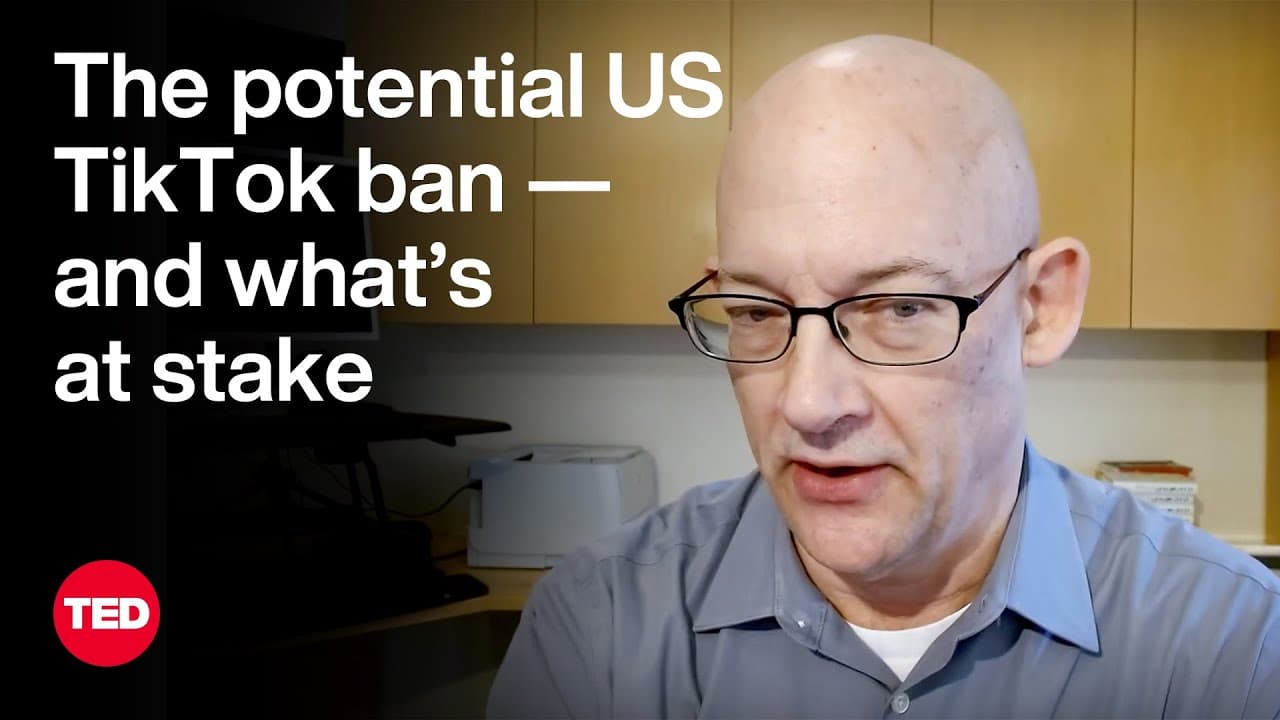
TL;DR
The U.S. government is considering a TikTok ban due to national security concerns related to its Chinese ownership by ByteDance. Critics argue that the real threats may lie in broader surveillance practices and data handling across multiple platforms, not just TikTok. The outcome could set significant precedents for free speech and foreign media ownership in the digital landscape.
Transcript
hello and thank you for watching Ted explains where we take the biggest headlines of the moment and offer Clarity around what it all means and context on why it matters I'm Whitney Pennington Rogers and I'm your host for this conversation so Tik Tok launched in 2016 and I don't need to tell any of you especially those of you watching on Tik Tok tha... Read More
Key Insights
- 😀 TikTok has rapidly grown to over a billion users but faces strong government scrutiny due to concerns over data privacy and national security linked to its Chinese ownership.
- 🤨 Current legislation against TikTok could force the parent company, ByteDance, to sell or cease operations in the U.S., raising significant questions about the implications for free speech and media diversity.
- 😀 Opponents of the proposed ban highlight that the actual security concerns surrounding TikTok lack specificity and that various apps gather similar data without the same level of scrutiny.
- 🤩 TikTok's algorithm, often described as a key advantage, provides tailored content based on individual user engagement rather than social networks, which could have unforeseen consequences on mental health and misinformation.
- 🤕 The pending Supreme Court case could set significant precedents regarding foreign media ownership and First Amendment protections in a digital age, impacting future regulatory actions.
- 😥 Many critics argue that instead of targeting TikTok, the U.S. should focus on broader issues of surveillance that affect all social media platforms, pointing to more significant risks that have yet to be addressed.
- 🤕 If TikTok were banned, it could disrupt the creator economy that has flourished on the platform, pushing creators to adapt to new environments with differing audiences and monetization opportunities.
Install to Summarize YouTube Videos and Get Transcripts
Explore YouTube Video Summarizer or Get YouTube Transcript Extractor
Questions & Answers
Q: Why is the U.S. government concerned about TikTok specifically?
The stated concern is national security, stemming from fears that TikTok's parent company, ByteDance, may hand over user data to the Chinese government. The app's substantial user base of 180 million Americans raises concerns about access to sensitive data by foreign entities, creating a perceived national security threat. Critics note that no specific harms have been identified, leading to further debate about the actual risks of TikTok compared to other apps.
Q: What are the implications if TikTok is banned in the U.S.?
If TikTok were banned, it would signal governmental overreach into media control and potentially curtail a platform that has become essential for many users and creators. This could lead to further restrictions on foreign-owned media companies, limit user access to diverse content, and disrupt the livelihoods of numerous creators who rely on TikTok for income.
Q: What might happen to TikTok's algorithm if the app were forced to sell?
The algorithm is a core asset for TikTok, and ByteDance argues that disclosing it to a new American owner might diminish its competitive advantage. If a sale were mandated, the protective nature of their proprietary data could affect content recommendation capabilities, potentially diminishing user experience and engagement levels on the platform.
Q: How does TikTok's approach to user data compare to American companies?
While Chinese companies like ByteDance are often perceived as operating under direct government oversight, U.S companies such as Meta have also faced scrutiny for user data handling. However, the U.S. has legal frameworks like the Fourth Amendment that offer varying degrees of data protection, which many argue are not always upheld in practice.
Q: What are the cultural implications of potentially banning TikTok?
TikTok is viewed as a platform that facilitates cultural exchange and creativity. Banning it might suppress this cultural dialogue and limit its role in driving trends in music, fashion, and memes. This could also push creators to less regulated platforms, affecting the quality and diversity of content available.
Q: How do the discussions about TikTok reflect wider tech industry concerns?
The situation with TikTok uncovers broader issues of surveillance, data privacy, and geopolitical tensions, raising questions about how much control governments should have over technology penetrating their markets. Increased scrutiny on foreign-owned apps may become a trend that affects the tech landscape more widely.
Q: What does this controversy say about U.S.-China relations?
The TikTok debate highlights tensions in U.S.-China relations, particularly regarding technology and media. The U.S. government's actions against a Chinese-owned company symbolize broader concerns about the influence of Chinese tech firms and the potential threats they pose to American values, leading many to question the reciprocity of market access and rules between the two nations.
Q: How likely is it that a sale of TikTok will happen before the impending deadline?
Experts suggest that a sale before the deadline seems unlikely, given the complexities of negotiations and the underlying resistance from ByteDance to relinquish control. Additionally, political shifts following elections may also alter the landscape, giving some hope for potential reconsiderations after the January 19th deadline.
Summary & Key Takeaways
-
TikTok's rapid rise to over a billion users globally has been marred by controversies around national security and data privacy, particularly regarding its parent company ByteDance and its connections to China.
-
The U.S. government has passed laws targeting TikTok, leading to looming deadlines for potential sales or shutdowns, with the Supreme Court set to hear a significant case on the matter.
-
Experts warn that banning TikTok may set a troubling precedent regarding free speech, especially as many believe the real concerns are not unique to TikTok, but reflective of broader issues related to surveillance and data use.
Read in Other Languages (beta)
Share This Summary 📚
Summarize YouTube Videos and Get Video Transcripts with 1-Click
Try YouTube Summary with ChatGPT & Claude or YouTube Transcript Generator
Explore More Summaries from TED 📚


Summarize YouTube Videos and Get Video Transcripts with 1-Click
Try YouTube Summary with ChatGPT & Claude or YouTube Transcript Generator