Addressing Anti-Asian Racism With Students
TL;DR
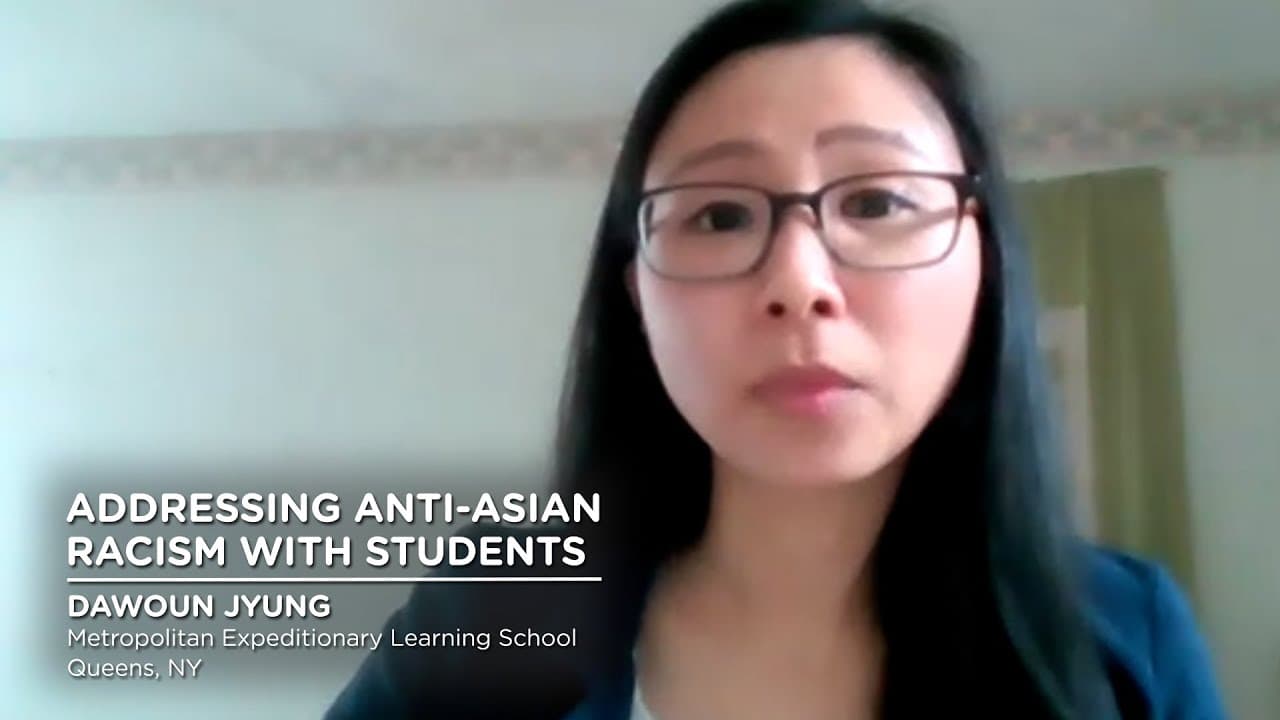
Asian American educator discusses the importance of having conversations with students about the rise in hate crimes and discrimination against Asian Americans, and the need to create safe spaces in the classroom to address these issues.
Transcript
Dawoun: When the Atlanta mass shooting happened, there were two things going on in my mind. One was that I need to have conversation with my students about this. The other thing is, me processing what's been going on, and the fear and the disbelief and lament. Asian Americans have experienced a year of rising numbers of hate crimes, racist rhetor... Read More
Key Insights
- 😀 Asian Americans have faced increasing hate crimes, racism, and violence in recent times.
- 👾 Addressing discrimination requires creating safe spaces in the classroom for students to process and understand these issues.
- 🧑🎓 Lessons that provide historical context and personal experiences help students empathize and challenge biases.
- ❓ Using simple conversation structures can facilitate engaging and meaningful discussions.
- 🧑🏫 Teachers must not wait to be experts, but rather start addressing these topics now.
- 🧑🎓 Current events can be powerful catalysts for students to learn about discrimination and injustice.
- 🏈 Asian American history is often overlooked, and educators should actively bring it into the classroom.
Install to Summarize YouTube Videos and Get Transcripts
Explore YouTube Video Summarizer or Get YouTube Transcript Extractor
Questions & Answers
Q: How did the recent Atlanta mass shooting prompt conversations in the classroom about Asian American discrimination?
The shooting highlighted the ongoing discrimination Asian Americans face, leading the educator to plan lessons that addressed the incident and the history of discrimination to help students process and understand the situation.
Q: What were some of the emotions and experiences shared by the students during these lessons?
The students expressed emotions such as anger, disappointment, and confusion. Some shared their personal experiences with racist slurs and gestures, while others struggled to make sense of the racial injustice prevalent in the country.
Q: How can teachers create safe spaces for discussions on discrimination?
By using simple structures like noticings and wonderings, teachers can engage students in conversation. Sharing videos or articles and asking students what they notice and wonder allows their empathy and curiosity to drive meaningful discussions.
Q: As an Asian American educator, why is it important to have these conversations with students?
The educator highlights the urgency of having these conversations and the need to address the silent and invisible narratives of Asian American history. Waiting to become an expert is not an option, and classrooms need to be a place where these conversations happen now.
Summary & Key Takeaways
-
Asian Americans have faced rising hate crimes, racist rhetoric, and violence, prompting conversations in schools about discrimination.
-
Lessons were planned to help students empathize and make sense of recent events, addressing the history and context of Asian American discrimination.
-
Students expressed a range of emotions, shared their personal experiences with biases and stereotypes, and grappled with the wider racial injustice in the country.
Read in Other Languages (beta)
Share This Summary 📚
Summarize YouTube Videos and Get Video Transcripts with 1-Click
Try YouTube Summary with ChatGPT & Claude or YouTube Transcript Generator
Explore More Summaries from Edutopia 📚



Summarize YouTube Videos and Get Video Transcripts with 1-Click
Try YouTube Summary with ChatGPT & Claude or YouTube Transcript Generator