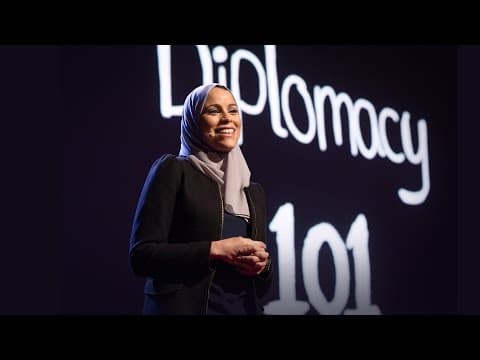
Why civilians suffer more once a war is over | Margaret Bourdeaux
TL;DR
In this thought-provoking talk, the speaker discusses the importance of social institutions, particularly health systems, in fragile settings and urges for their protection and support.
Transcript
So have you ever wondered what it would be like to live in a place with no rules? That sounds pretty cool. (Laughter) You wake up one morning, however, and you discover that the reason there are no rules is because there's no government, and there are no laws. In fact, all social institutions have disappeared. So there's no schools, there's no hosp... Read More
Key Insights
- 🌍 Living in a society without social institutions, such as government and healthcare, leads to extreme vulnerability and uncertainty in daily life.
- 💀 War not only causes immediate harm, but it also destroys social systems, such as healthcare infrastructure, leading to increased death and disability after the conflict has ended.
- 💉 Post-war countries like Liberia and Haiti struggle to rebuild their health systems, resulting in limited access to healthcare and continued suffering for their populations.
- 👥 Indigenous health system leaders in conflict-affected states take significant risks to save their health institutions and need support from the international community.
- 💸 The current system of relying on international relief agencies to provide temporary healthcare in crisis-stricken areas is expensive and inefficient.
- 🚨 The global health community and policy experts need to monitor and identify the strengths and vulnerabilities of health systems in threatened situations to provide timely support before they collapse.
- 🤝 Partnerships with organizations like NATO can help protect health system institutions during deployments, recognizing that safeguarding social institutions is crucial for maintaining peace.
- 🌍 It is essential for the public to understand the value of social institutions like healthcare systems in fragile settings to garner support for efforts to protect and rebuild them. Prominent examples include George C. Marshall, Eleanor Roosevelt, and Ben Franklin.
Install to Summarize YouTube Videos and Get Transcripts
Explore YouTube Video Summarizer or Get YouTube Transcript Extractor
Questions & Answers
Q: Question 1: What was the speaker's experience like living in a place with no government or laws?
Answer 1: The speaker, a medical student, worked in a refugee camp in the Balkans during the Kosovo War where there were no rules, no government, and no social institutions. While initially thrilling, the sense of vulnerability was quickly realized when faced with negotiating passages through heavily armed checkpoints.
Question 2: What were some of the challenges faced by the families in postwar Kosovo? Answer 2: Families in postwar Kosovo had to navigate life in a lawless place where social institutions had been destroyed. Simple questions like "What are we going to eat tonight?" and "Where are the doctors?" became incredibly complicated to answer. The lack of security systems also raised concerns about potential violent episodes.
Question 3: According to the speaker, when does the most dangerous time for people living in a conflict-affected state occur? Answer 3: The most dangerous time for people living in a conflict-affected state is after the cessation of conflict, after the peace deal has been signed. This is because war robs them of their clinics, hospitals, supply chains, and health governance institutions, leading to death and disability.
Question 4: Why was Doctors Without Borders in Liberia even 11 years after the civil war had ended? Answer 4: Doctors Without Borders was in Liberia because the country still didn't have a functioning health system, with less than 50 doctors for a population of 4.5 million people. The civil war had ended, but the country had not been able to rebuild its health sector within that time frame.
Question 5: How much of the international aid for Haiti's earthquake went towards rebuilding public institutions, including the health sector? Answer 5: Only two percent of the international aid for Haiti's earthquake went towards rebuilding public institutions, including its health sector. This indicates a failure to prioritize and support indigenous health systems, causing ongoing suffering and deaths even years after the disaster.
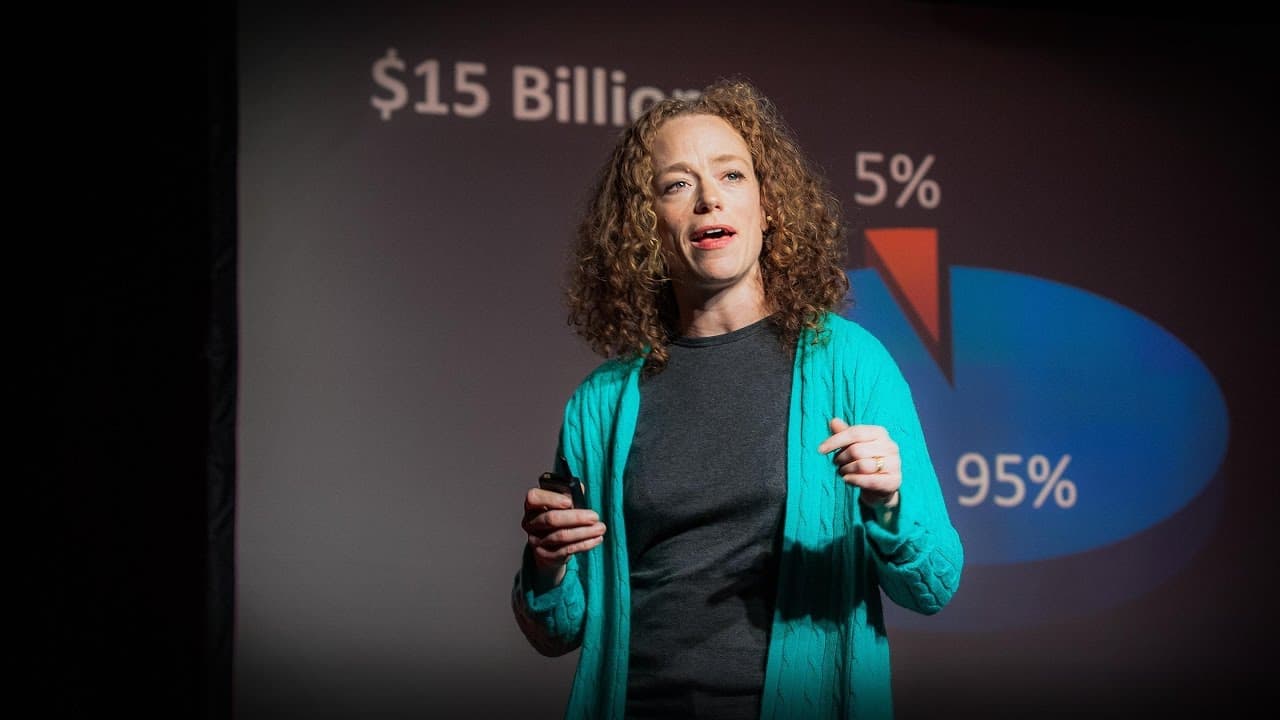
Question 6: In what way does the speaker think the current approach to humanitarian and disaster relief funding is inefficient? Answer 6: The speaker believes that the current approach, where 95 percent of the funding goes to international relief agencies to import resources and create temporary health systems, is expensive and inefficient. There is a lack of focus on supporting and rebuilding indigenous health systems, which are crucial for long-term stability and recovery.
Question 7: What are the three main actions that the speaker suggests to protect and support health systems in fragile settings? Answer 7: The speaker suggests three main actions: first, becoming experts in monitoring the strengths and vulnerabilities of threatened health systems; second, building robust platforms to support health sector leaders in these settings; and third, forging new partnerships, including with security policy makers, to emphasize the protection of critical social institutions.
Question 8: According to the speaker, who is the most important partner that needs to be engaged in efforts to save social institutions in fragile settings? Answer 8: The most important partner that needs to be engaged is the public, both American and global. The speaker emphasizes the need for the public to understand the value of social institutions, like health systems in fragile settings, in order to garner support for efforts to protect and save them.
Summary & Key Takeaways
-
Living in a place with no rules and no government may sound appealing, but it leads to a lack of social institutions and creates vulnerability and uncertainty.
-
The majority of death and disability from war happens after the conflict ends, due to the destruction of social institutions like health systems.
-
It is crucial to protect and support indigenous health systems in fragile settings, and for the global health community and the public to understand the significance of social institutions in these contexts.
Read in Other Languages (beta)
Share This Summary 📚
Summarize YouTube Videos and Get Video Transcripts with 1-Click
Try YouTube Summary with ChatGPT & Claude or YouTube Transcript Generator
Explore More Summaries from TED 📚


Summarize YouTube Videos and Get Video Transcripts with 1-Click
Try YouTube Summary with ChatGPT & Claude or YouTube Transcript Generator