How Hedging Can Reduce Portfolio Risk
TL;DR
Learn how to protect your portfolio during market downturns by hedging with futures contracts.
Transcript
Being invested in stocks during a downswing can feel like driving down a steep hill. Similar to how some drivers ride the brakes in order to avoid losing control, some investors may sell their positions to try to limit losses. However, just like riding the brakes can damage your car, selling stocks can lead to transaction and opportunity costs that... Read More
Key Insights
- 🦔 Hedging with futures can help protect your portfolio during market downturns without sacrificing potential gains.
- 💯 Timing the market and finding the perfect hedge can be challenging and may impact overall returns.
- 🤱 Hedging incurs commissions and fees, which can affect the effectiveness of the strategy.
- 🦔 A carefully designed hedge can help reduce losses and potentially slow the decline of a portfolio during a market downturn.
- 🦔 Hedging requires careful consideration of the makeup of your portfolio and the instrument used for hedging.
- 🦔 It's essential to remove the hedge if the market turns up to avoid potential losses during the recovery.
- 🛄 Hedging aims to reduce the downswings in a portfolio without reducing the upswings.
Install to Summarize YouTube Videos and Get Transcripts
Explore YouTube Video Summarizer or Get YouTube Transcript Extractor
Questions & Answers
Q: What is hedging in the stock market?
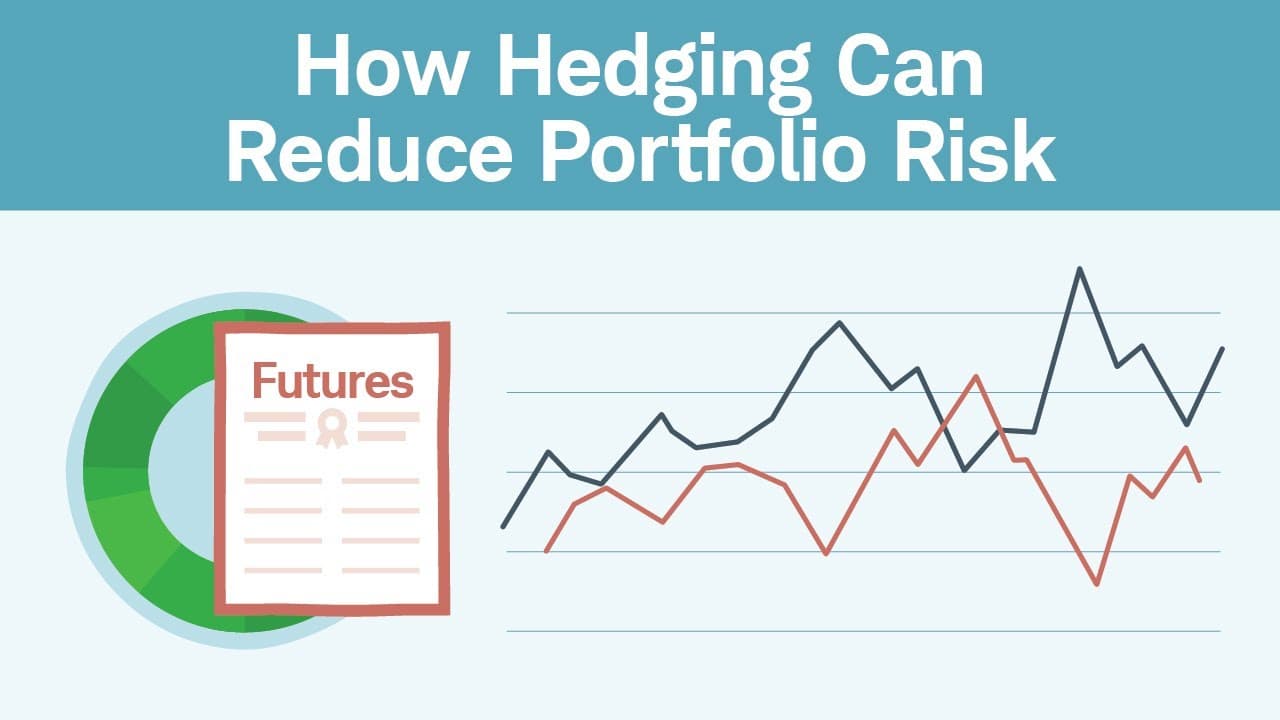
Hedging in the stock market is a strategy that involves entering a position that moves in the opposite direction as your portfolio, aiming to reduce losses during market downturns.
Q: How does hedging work?
Hedging works by offsetting potential losses in a portfolio with gains from the hedge. When the portfolio drops in value, the hedge should rise in value, potentially mitigating the losses.
Q: What are the risks of hedging with futures?
One risk of hedging with futures is the potential for unlimited losses in the short hedging position if the underlying index rises significantly. Additionally, finding a hedge that perfectly matches your portfolio can be challenging, and commissions and fees can impact overall returns.
Q: How can hedging reduce risk in a portfolio?
Hedging can reduce risk by potentially offsetting losses during market downturns. By entering a position that moves in the opposite direction as your portfolio, you can mitigate the impact of falling prices on your investments.
Summary & Key Takeaways
-
Hedging is a strategy that aims to reduce losses in a portfolio during market downturns without sacrificing potential gains.
-
By entering a position that moves in the opposite direction as your portfolio, you can potentially offset some losses.
-
Timing the market and finding the perfect hedge can be challenging, but a carefully designed hedge can help protect your investments.
Read in Other Languages (beta)
Share This Summary 📚
Summarize YouTube Videos and Get Video Transcripts with 1-Click
Try YouTube Summary with ChatGPT & Claude or YouTube Transcript Generator
Explore More Summaries from Charles Schwab 📚






Summarize YouTube Videos and Get Video Transcripts with 1-Click
Try YouTube Summary with ChatGPT & Claude or YouTube Transcript Generator