How Exercise and Nutrition Boost Mental Health
TL;DR
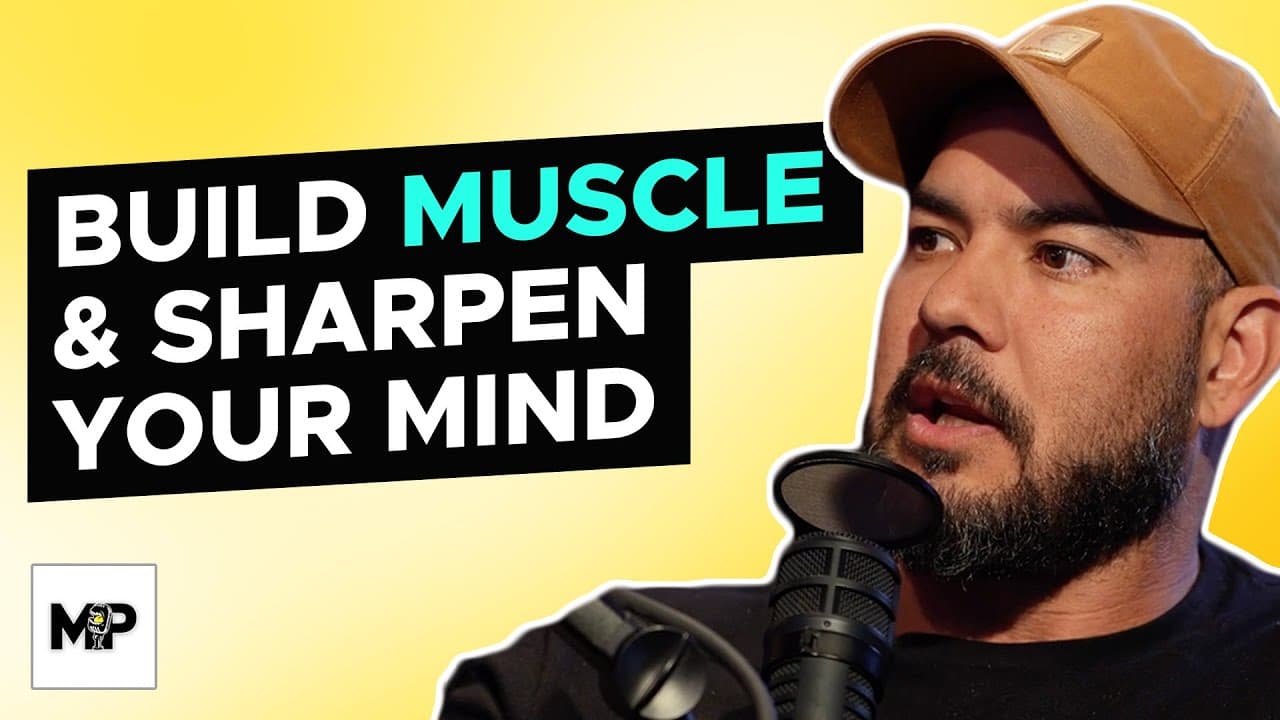
Improving physical health through exercise and nutrition significantly enhances mental health. Studies show that the effects of exercise and nutrition on mental well-being are profound, often rivaling medications and therapy. The connection between mental and physical health is inseparable, and enhancing one aspect naturally benefits the other.
Transcript
the data has made something Crystal Clear physical health is mental health and vice versa mental health is physical health look one thing that Western medicine does really well is it Dives deep into singular topics unfortunately this divides things up and has led to the myth that mental and physical health aren't intricately connected the bottom li... Read More
Key Insights
- Physical health is intricately linked to mental health; improving one enhances the other.
- Western medicine often separates mental and physical health, leading to misconceptions about their connection.
- Exercise and nutrition have profound positive effects on mental health, surpassing medications and therapy.
- Improving mental health can lead to better dietary habits and increased physical activity.
- Trainers have more success addressing behaviors behind eating habits rather than just providing diet plans.
- The education system undervalues physical activity's role in learning and cognitive performance.
- Exercise can improve cognitive performance more than brain exercises like puzzles and games.
- Supplements that benefit physical health often also enhance cognitive function and vice versa.
Install to Summarize YouTube Videos and Get Transcripts
Explore YouTube Video Summarizer or Get YouTube Transcript Extractor
Questions & Answers
Q: How does exercise impact mental health?
Exercise significantly enhances mental health by reducing symptoms of anxiety and depression, improving mood, and boosting overall cognitive function. The physical activity promotes the release of endorphins and other chemicals that positively affect the brain, often surpassing the benefits of medications and therapy.
Q: What is the relationship between nutrition and mental health?
Nutrition plays a vital role in mental health by providing the necessary nutrients for optimal brain function. A balanced diet rich in essential nutrients supports cognitive performance, mood regulation, and overall mental well-being. Poor dietary habits can lead to deficiencies that negatively impact mental health.
Q: Can improving mental health influence physical health?
Yes, improving mental health can positively influence physical health by encouraging better dietary habits and increased physical activity. A healthy mental state often leads to more motivation to engage in physical exercise and make healthier food choices, creating a beneficial cycle between mental and physical well-being.
Q: Why is the connection between physical and mental health often overlooked?
The connection between physical and mental health is often overlooked due to Western medicine's approach of treating them as separate entities. This division has led to misconceptions about their interdependence, despite evidence showing that improving one aspect naturally benefits the other.
Q: How can schools improve student cognitive performance?
Schools can improve student cognitive performance by incorporating more physical activity into the daily routine. Studies show that physical exercise enhances learning and cognitive function, leading to better test scores and academic results. Schools that integrate movement and exercise see significant improvements in student performance.
Q: What role do supplements play in mental and physical health?
Supplements can support both mental and physical health by providing nutrients that enhance cognitive function and physical performance. For example, creatine and choline benefit brain health and muscle function, highlighting the interconnectedness of mental and physical health benefits from certain supplements.
Q: How does the education system undervalue physical activity?
The education system often undervalues physical activity by not recognizing its critical role in enhancing learning and cognitive performance. Schools focusing primarily on academic subjects may neglect the importance of physical exercise, which has been shown to improve cognitive abilities and academic outcomes.
Q: What is the impact of addressing eating behaviors on health?
Addressing the underlying behaviors behind eating habits leads to better consistency and success in improving both physical and mental health. By understanding the reasons for certain dietary choices, individuals can make more sustainable changes that enhance overall well-being and prevent relapse into unhealthy habits.
Summary & Key Takeaways
-
Exercise and nutrition play a crucial role in enhancing mental health, often outperforming medications and therapy. The link between mental and physical health is strong, and improving one aspect naturally benefits the other.
-
Western medicine's tendency to separate mental and physical health has led to misconceptions. However, data shows that exercise and nutrition significantly impact mental well-being.
-
Addressing the behaviors behind eating habits leads to better consistency and success in improving both physical and mental health. Schools incorporating physical activity see improved test scores and cognitive performance.
Read in Other Languages (beta)
Share This Summary 📚
Summarize YouTube Videos and Get Video Transcripts with 1-Click
Try YouTube Summary with ChatGPT & Claude or YouTube Transcript Generator
Explore More Summaries from Mind Pump Show 📚





Summarize YouTube Videos and Get Video Transcripts with 1-Click
Try YouTube Summary with ChatGPT & Claude or YouTube Transcript Generator