How to Periodize Training for Special Ops
TL;DR
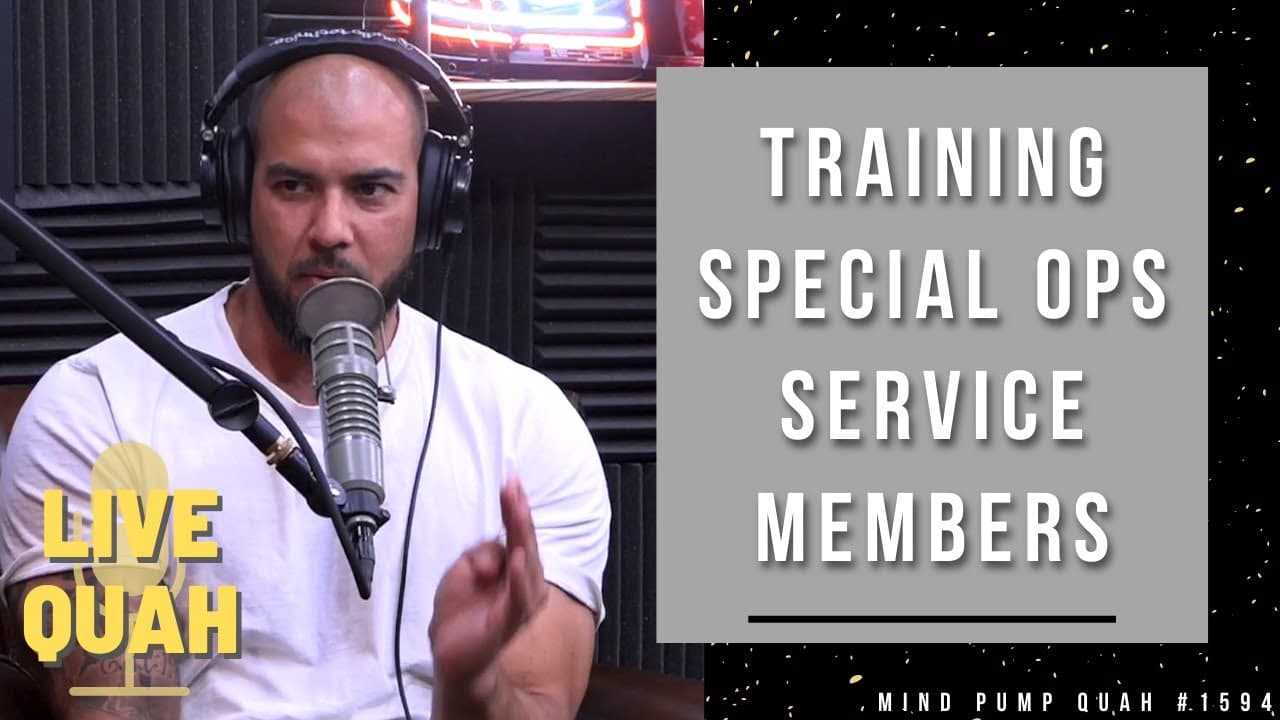
Balancing training for special ops requires a focus on skill development, minimal strength training, and conditioning. Emphasize skills and stamina while maintaining strength with one or two days of training per week. Avoid overtraining by incorporating recovery and agility practices, ensuring readiness without peaking.
Transcript
our next caller is jake from north carolina what's up jake how can we help you hey guys what's going on i'm stoked to be here so um a little bit of background first uh i'm a personal trainer and a boxing for mma coach my education is in international relations and national security uh so through that i met a lot of special operations guys and it be... Read More
Key Insights
- Special ops training should prioritize skill development over peak physical conditioning.
- Strength training is beneficial but should be limited to one or two days per week.
- Overtraining is a common issue; focus on recovery and maintaining fitness readiness.
- Agility and mobility exercises should be incorporated daily to prevent injuries.
- Conditioning should focus on stamina and skills rather than long-distance endurance.
- Mental fortitude is crucial, but it should not overshadow the importance of physical recovery.
- HRV monitoring can help tailor training intensity to prevent overtraining.
- Training should be adaptable, with priorities shifting based on individual needs and job demands.
Install to Summarize YouTube Videos and Get Transcripts
Explore YouTube Video Summarizer or Get YouTube Transcript Extractor
Questions & Answers
Q: How should special ops members balance strength and endurance training?
Special ops members should balance strength and endurance training by focusing on skill development and stamina. Strength training should be limited to one or two days per week, with an emphasis on conditioning and skills. Daily mobility exercises can help prevent injuries, while HRV monitoring can guide training intensity adjustments.
Q: Why is overtraining a concern for special ops training?
Overtraining is a concern because it can lead to injuries and decreased performance. Special ops members often face high physical demands, so training should focus on maintaining readiness without peaking. Incorporating recovery practices and monitoring stress levels can help prevent overtraining and ensure long-term fitness.
Q: What role does skill development play in special ops training?
Skill development is crucial in special ops training as it enhances operational effectiveness. Skills like agility, mobility, and tactical proficiency are prioritized over peak physical conditioning. Emphasizing skills ensures that special ops members are prepared for real-world scenarios, where technical abilities can be more critical than raw physical strength.
Q: How can HRV monitoring benefit special ops training?
HRV monitoring can benefit special ops training by providing insights into an individual's stress and recovery levels. This data helps tailor training intensity, ensuring that members do not overtrain and can recover adequately. By adjusting training based on HRV, trainers can optimize performance and prevent burnout.
Q: What is the importance of agility and mobility exercises in special ops training?
Agility and mobility exercises are important in special ops training because they help prevent injuries and enhance overall performance. These exercises improve flexibility, balance, and coordination, which are essential for the varied physical tasks special ops members face. Incorporating them daily ensures long-term fitness and operational readiness.
Q: How should special ops training be adapted for individual needs?
Special ops training should be adapted for individual needs by assessing each member's strengths and weaknesses. Training programs should prioritize areas that need improvement, whether it's strength, endurance, or skills. Flexibility in training plans allows for adjustments based on job demands and individual progress, ensuring optimal readiness.
Q: Why is mental fortitude emphasized in special ops training?
Mental fortitude is emphasized because special ops members often operate in high-stress environments where mental resilience is crucial. Training programs incorporate challenging scenarios to build this resilience, ensuring members can maintain focus and perform under pressure. However, mental training should not compromise physical recovery and readiness.
Q: What is the impact of long-term fitness readiness on special ops performance?
Long-term fitness readiness impacts special ops performance by ensuring members are always prepared for operational demands. Unlike athletes who peak for events, special ops members must maintain a constant state of readiness. Training focuses on sustainable fitness levels, balancing strength, endurance, skills, and recovery to prevent burnout and injuries.
Summary & Key Takeaways
-
Special ops training should focus on maintaining overall fitness readiness rather than peaking for specific events. Emphasize skill development and stamina, with one or two days of strength training per week. Avoid overtraining by incorporating daily mobility exercises and monitoring stress levels.
-
A periodized approach to training can help balance the varied physical demands on special ops members. Focus on skill and stamina development while minimizing the risk of injury through agility and mobility exercises. Use HRV monitoring to adjust training intensity and prevent overtraining.
-
Training for special ops should be tailored to individual needs, emphasizing skills and stamina over peak physical conditioning. Limit strength training to one or two sessions per week and incorporate daily recovery practices. Monitor stress levels to adjust training intensity and ensure long-term readiness.
Read in Other Languages (beta)
Share This Summary 📚
Summarize YouTube Videos and Get Video Transcripts with 1-Click
Try YouTube Summary with ChatGPT & Claude or YouTube Transcript Generator
Explore More Summaries from Mind Pump Show 📚




Summarize YouTube Videos and Get Video Transcripts with 1-Click
Try YouTube Summary with ChatGPT & Claude or YouTube Transcript Generator