How to talk (and listen) to transgender people | Jackson Bird
TL;DR
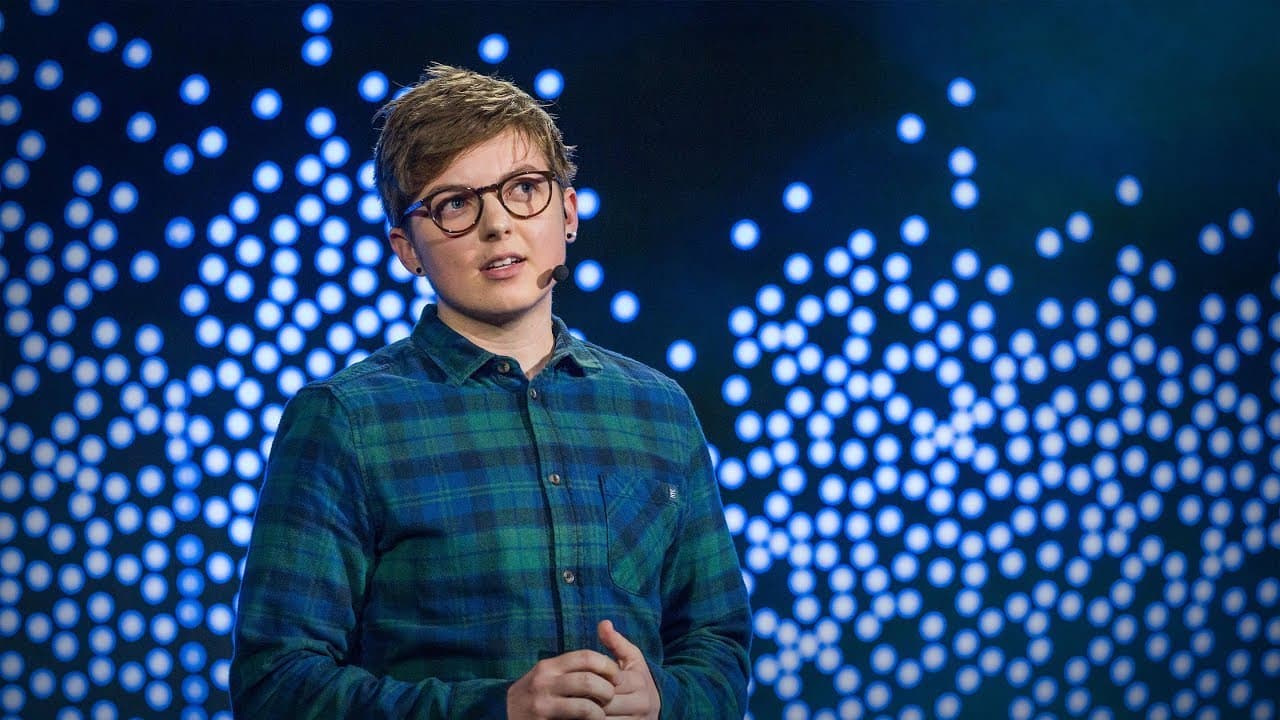
In this content, the speaker, Jack, discusses the misconceptions and challenges that transgender individuals face, urging listeners to educate themselves and amplify the voices of trans people.
Transcript
Hi, I'm Jack, and I'm transgender. Let me take a guess at some of thoughts that might be running through your head right now. "Transgender? Wait, does that mean that they're actually a man or actually a woman?" "I wonder if he's had the surgery yet ... Oh, now I'm looking at his crotch. Look to the right, that's a safe place to look." "Yes, I knew ... Read More
Key Insights
- 🤔 People often have misconceptions and uncomfortable questions about transgender individuals, such as their gender identity and surgical procedures.
- 🌈 People who support transgender individuals may still struggle with knowing what to say or ask, causing them to avoid the topic altogether.
- 🗣️ Transgender individuals often have to continuously educate others about their experiences because many people misunderstand or misinterpret what it means to be transgender.
- 💼 Coming out as transgender is a continuous process, even in mundane situations like getting assistance from an accountant or going through airport security.
- 🔁 Transitioning is not solely about surgery; there are various gender-affirming procedures, but hormone replacement therapy is a common first step.
- 👥 When someone discloses their new name and pronouns, it is important to start using them immediately, even if mistakes happen occasionally.
- 🚽 Transgender individuals face challenges and fear in public bathrooms, often resorting to holding it in or experiencing health issues due to avoidance.
- 🌍 While the speaker personally has some privilege as a white, able-bodied trans man, it is crucial to recognize the additional difficulties faced by non-binary individuals, trans women, and trans people of color.
Install to Summarize YouTube Videos and Get Transcripts
Explore YouTube Video Summarizer or Get YouTube Transcript Extractor
Questions & Answers
Q: What are some common misconceptions people have about transgender individuals?
Some common misconceptions that people have about transgender individuals include wondering about their physical appearance, such as whether they have had surgery or whether they have typically male or female characteristics like hips. People also often wonder if transgender individuals know each other, or make assumptions about their bravery and their right to use public bathrooms.
Q: How do transgender individuals navigate awkward situations caused by others' discomfort?
Transgender individuals often find themselves in awkward situations because others become uncomfortable around them. Even among those who support transgender individuals, people are often hesitant to ask questions or say the wrong thing. This can make it difficult for transgender individuals to feel fully understood or included. They often find themselves having to constantly educate others and come out multiple times.
Q: What is the role of physical transition in being transgender?
Physical transition is not the sole defining aspect of being transgender. While some transgender individuals may undergo various gender-affirming surgeries, many may choose not to or may not have the financial means to do so. Hormone replacement therapy is often the first step towards physical transition, leading to changes in voice, facial hair, and other secondary sex characteristics.
Q: How should people approach using new names and pronouns for transgender individuals?
When a transgender individual reveals their new name and pronouns, it is essential to start using them immediately. While slip-ups may occur, making a genuine effort to respect and adapt to their new identity is crucial. Society has shown an ability to adapt language for various reasons, such as changing names for celebrities. The same effort should be made for transgender individuals.
Q: What are the challenges transgender individuals face concerning public bathrooms?
Transgender individuals often face significant challenges when it comes to using public bathrooms. There is a fear of attracting attention that could lead to violence, which forces some individuals to avoid restrooms altogether. The notion of bathroom bills and debates regarding bathroom use disproportionately affect transgender individuals, putting them at risk and eroding their rights to safety and dignity. The laws designed to target transgender people are not protecting anyone and often lead to further discrimination and harm.
Summary & Key Takeaways
-
Being transgender often leads to awkwardness and misconceptions from others, who may focus on personal, intimate details and make assumptions about surgeries and physical transitions.
-
Transitioning usually involves hormone replacement therapy, and gender-affirming surgeries are not always pursued or accessible due to cost and lack of insurance coverage.
-
Using the correct name and pronouns is important in supporting transgender individuals, and public bathrooms can be a source of fear and violence for trans people. Bathroom bills do not protect anyone and can further marginalize trans individuals.
Read in Other Languages (beta)
Share This Summary 📚
Summarize YouTube Videos and Get Video Transcripts with 1-Click
Try YouTube Summary with ChatGPT & Claude or YouTube Transcript Generator
Explore More Summaries from TED 📚






Summarize YouTube Videos and Get Video Transcripts with 1-Click
Try YouTube Summary with ChatGPT & Claude or YouTube Transcript Generator