Why so many Covid-19 variants are showing up now
TL;DR
Covid-19 variants arise from virus mutations during replication.
Transcript
On November 5th, 2020, the United Kingdom went into lockdown. They were trying to control a spike in Covid-19 cases. And, if you look at the chart of cases, it seemed to work. But, despite having the same lockdown measures, infections in Kent, an area outside of London, were still rising. In early December, the overall drop in cases led the country... Read More
Key Insights
- The UK experienced a spike in Covid-19 cases despite lockdowns due to a new variant, highlighting the virus's ability to mutate and spread.
- Viruses like SARS-CoV-2 mutate as they replicate in hosts, sometimes leading to more transmissible or dangerous variants.
- Mutations in the virus's spike protein can enhance its ability to bind to human cells, increasing transmissibility and potential dominance.
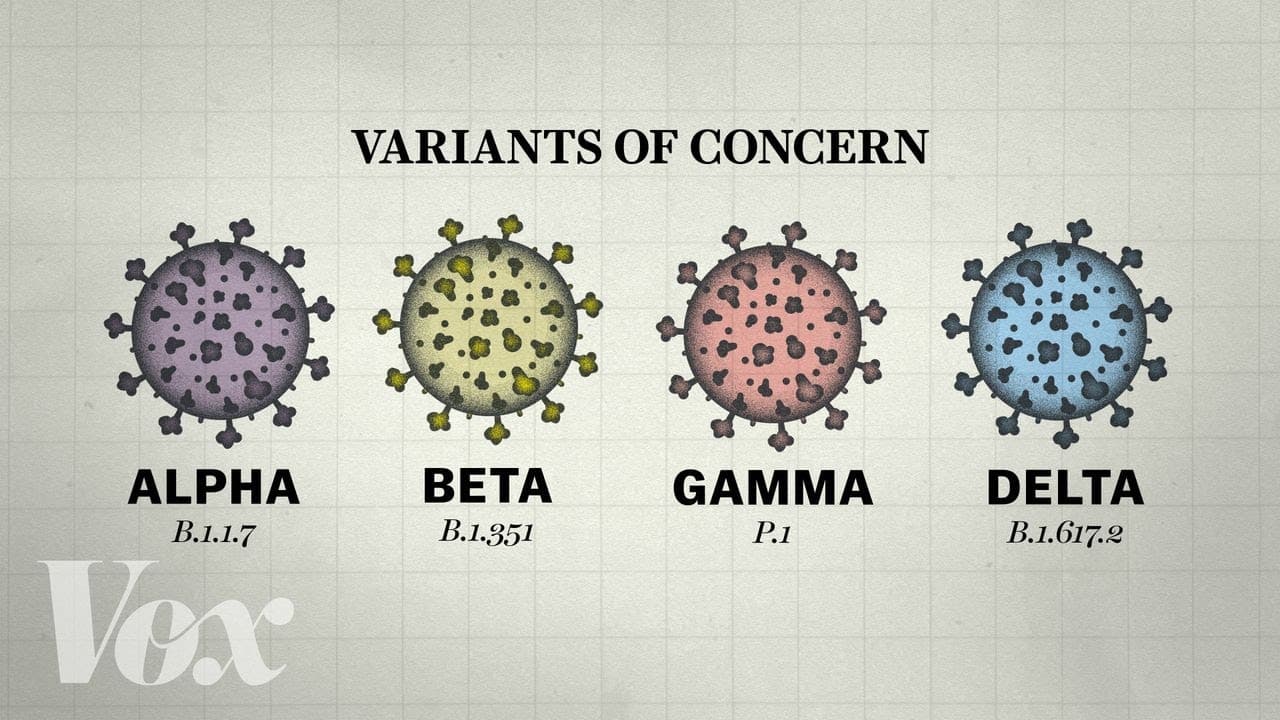
- Variants of concern, such as Alpha and Delta, have mutations that may allow them to partially evade immune responses.
- Vaccines still provide strong protection against current variants, although they may be slightly less effective against some mutations.
- Stopping the spread of the virus is crucial to preventing further mutations and potentially more dangerous variants.
- Global vaccination efforts are essential to curbing the pandemic and limiting opportunities for the virus to mutate.
- The rise of variants is a reminder of the ongoing nature of the pandemic, underscoring the need for continued vigilance and vaccination.
Install to Summarize YouTube Videos and Get Transcripts
Explore YouTube Video Summarizer or Get YouTube Transcript Extractor
Questions & Answers
Q: Why did the UK experience a spike in Covid-19 cases despite lockdowns?
The UK saw a spike in Covid-19 cases despite lockdowns due to the emergence of a new variant in Kent. This variant, later named Alpha, was more contagious because of mutations in its spike protein, which allowed it to spread more easily, thus bypassing the effects of the lockdown.
Q: How do viruses like SARS-CoV-2 mutate?
Viruses such as SARS-CoV-2 mutate during replication. As they infect hosts and replicate, random errors occur in their genetic code. These mutations can alter the virus's properties, sometimes making it more transmissible or enabling it to evade immune responses, leading to the emergence of new variants.
Q: What makes the Alpha variant more transmissible?
The Alpha variant is more transmissible due to multiple mutations in its spike protein. These mutations enhance the virus's ability to bind to human cell receptors, improving its chances of successfully infecting cells and spreading more efficiently compared to previous strains.
Q: Are vaccines effective against Covid-19 variants?
Yes, vaccines remain effective against Covid-19 variants, though some variants may slightly reduce vaccine efficacy. The immune response from vaccines is generally stronger than the natural immune response, providing significant protection against severe disease and hospitalization, even with variants like Delta.
Q: Why is global vaccination important in controlling Covid-19 variants?
Global vaccination is crucial because it reduces virus transmission, limiting opportunities for mutations that could lead to new variants. Widespread vaccination can help achieve herd immunity, decrease the virus's ability to replicate and mutate, and ultimately prevent the emergence of more dangerous variants.
Q: What role do mutations play in the virus's ability to evade immune responses?
Mutations can alter the virus's spike protein, potentially allowing it to evade immune responses. Some mutations may help the virus reinfect individuals by partially dodging antibodies generated from previous infections or vaccinations, although vaccines still generally provide strong protection against severe outcomes.
Q: How does the rise of variants affect the perception of the pandemic's status?
The rise of variants serves as a reminder that the pandemic is ongoing, even if it feels controlled in some regions. Variants can lead to increased transmission and potential spikes in cases, emphasizing the need for continued public health measures and vaccination efforts to prevent further spread and mutation.
Q: What is the significance of the Delta variant being a 'double mutant'?
The Delta variant is referred to as a 'double mutant' because it has two significant mutations that enhance its transmissibility and ability to reinfect individuals. These mutations, seen in other variants, may contribute to its rapid spread and highlight the importance of monitoring and controlling variant transmission globally.
Summary & Key Takeaways
-
The emergence of Covid-19 variants, like Alpha and Delta, is due to the virus's natural mutation process during replication, which can lead to increased transmissibility. Despite this, vaccines remain effective against these variants, though global vaccination efforts must accelerate to prevent further mutations.
-
Variants arise when the virus mutates as it replicates in hosts. Some mutations enhance the virus's ability to infect cells, making it more transmissible. The Alpha variant's spike protein mutations allowed it to spread widely, demonstrating the importance of controlling virus spread to prevent new variants.
-
Vaccines offer strong protection against Covid-19 variants, but the virus's continued spread provides opportunities for further mutations. Global vaccination is crucial to stopping the pandemic and preventing the emergence of variants that could potentially evade immune responses.
Read in Other Languages (beta)
Share This Summary 📚
Summarize YouTube Videos and Get Video Transcripts with 1-Click
Try YouTube Summary with ChatGPT & Claude or YouTube Transcript Generator
Explore More Summaries from Vox 📚




Summarize YouTube Videos and Get Video Transcripts with 1-Click
Try YouTube Summary with ChatGPT & Claude or YouTube Transcript Generator