Taxonomy of Virtualization, Execution Environment, Storage, Network - Cloud Computing and Services
TL;DR
This content discusses the taxonomy of virtualization, including its evolution, characteristics, and different domains and technologies within virtualization.
Transcript
hello friends today we are going to learn the topic taxonomy of virtualization in which we are going to learn about how virtualization has evolved what are its characteristics and what are the things where virtualization works taxonomy of virtualization what does that mean a taxonomy model has been made that provides an overview of the different ty... Read More
Key Insights
- ❓ A taxonomy model provides an organized overview of virtualization technologies, facilitating understanding and discussions.
- 🛟 There are five main domains in virtualization: server, application, desktop, storage, and network.
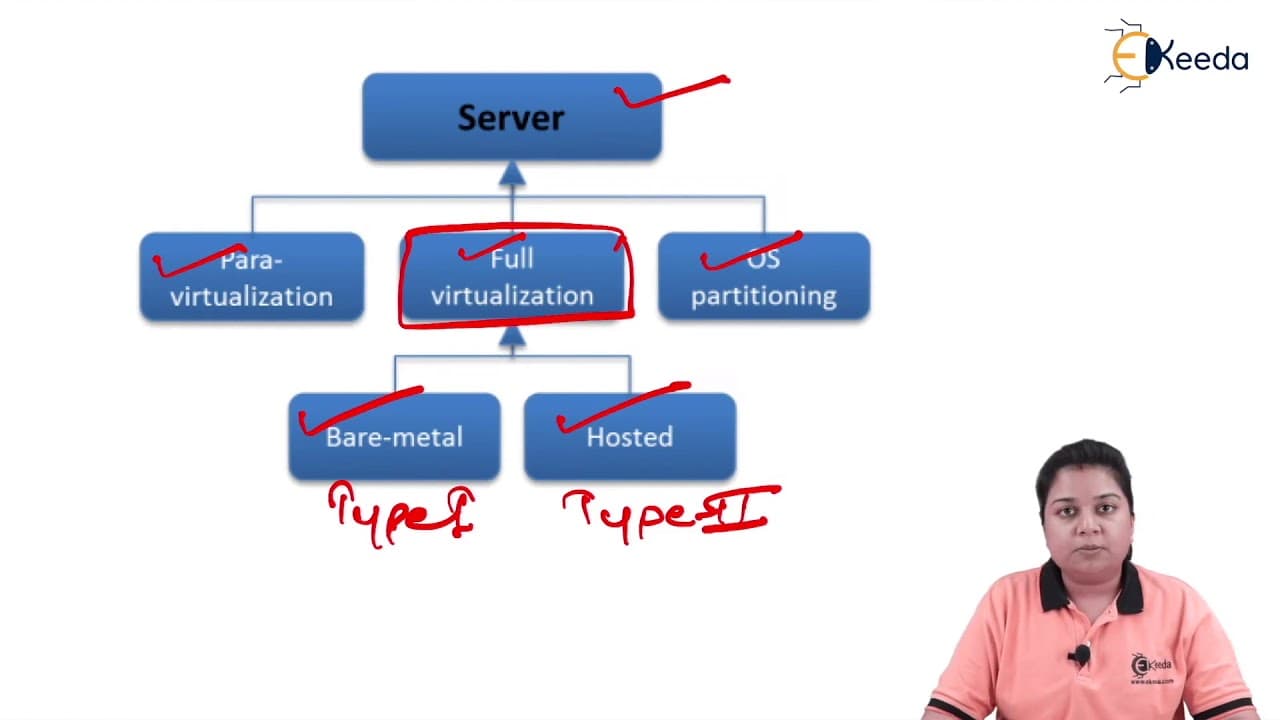
- 🛟 Virtualization technologies can be further divided into subcategories within each domain, such as different types of server virtualization or desktop virtualization.
- 🎮 Management technologies in virtualization include performance, configuration, asset, capacity, and cost control management.
- 🔒 Security technologies in virtualization include virtual security appliances and hypervisor appliances.
- ♻️ Virtualization environments can utilize a combination of storage devices, such as storage attached network and network attached storage.
- 🔒 Network virtualization includes technologies like virtual LAN, virtual IP, and virtual private network.
Install to Summarize YouTube Videos and Get Transcripts
Explore YouTube Video Summarizer or Get YouTube Transcript Extractor
Questions & Answers
Q: What is the purpose of a taxonomy model in virtualization?
A taxonomy model provides an overview of the different types of virtualization technologies, helping to understand the relationships between them and identify trends.
Q: How are management and security technologies related to virtualization domains?
Both management and security technologies are associated with the five domains in virtualization, allowing for the management and security of each domain.
Q: How are the different virtualization technologies categorized in the taxonomy?
The taxonomy divides virtualization technologies into five main domains, with subcategories such as server virtualization (para virtualization, full virtualization, operating system partitioning), application virtualization (sandbox, application streaming), and desktop virtualization (client, server).
Q: What are the two types of security tools for virtualization?
The two types of security tools for virtualization are virtual security appliances and hypervisor appliances.
Summary & Key Takeaways
-
A taxonomy model has been created to provide an overview of virtualization technologies.
-
There are five main domains in virtualization: server, application, desktop, storage, and network.
-
Management and security tools are additional categories of virtualization technologies.
Read in Other Languages (beta)
Share This Summary 📚
Summarize YouTube Videos and Get Video Transcripts with 1-Click
Try YouTube Summary with ChatGPT & Claude or YouTube Transcript Generator
Explore More Summaries from Ekeeda 📚






Summarize YouTube Videos and Get Video Transcripts with 1-Click
Try YouTube Summary with ChatGPT & Claude or YouTube Transcript Generator