What Caused the Medieval Dancing Plague?
TL;DR
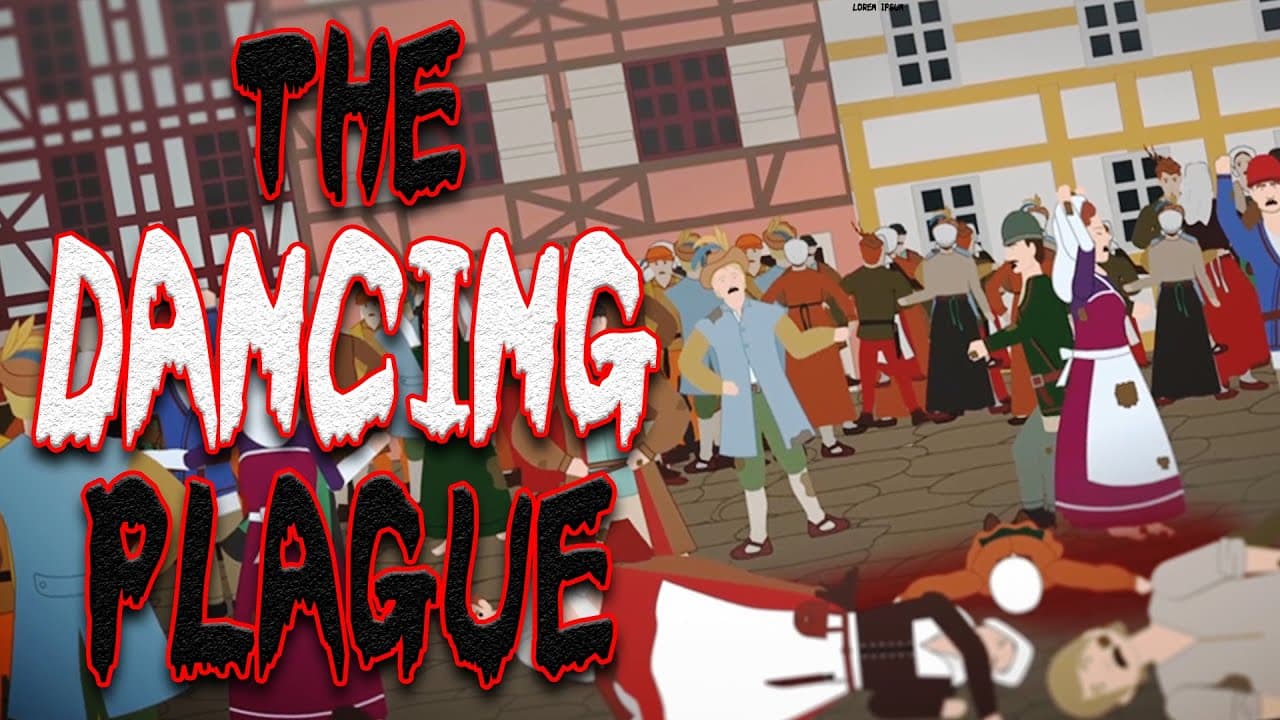
Dancing mania, a peculiar outbreak in medieval Europe, involved large groups dancing uncontrollably until exhaustion or injury. While its exact cause remains unclear, many historians believe it was a form of mass psychogenic illness triggered by widespread fear and despair during periods of hardship like famine and disease.
Transcript
this episode is made possible by established titles established titles is a project based on a historic scottish custom where landowners were being called lairds lords or ladies in english we recommend that you check out established titles where buying as little as one square feet of allocated land in dunfermline scotland will earn you the right to... Read More
Key Insights
- 💃 Dancing mania was a widespread phenomenon in medieval Europe, affecting men, women, and children.
- 💃 Historical records from various towns and cities document the outbreaks of dancing mania, confirming that it was not mere rumor or exaggeration.
- 😨 The cause of dancing mania is still uncertain, but it is believed to be a form of mass psychogenic illness triggered by fear and depression during times of hardship.
- 😨 Outbreaks of dancing mania were often preceded by periods of famine, crop failures, and disease, which heightened anxiety and fear among the population.
- 😀 The dancing mania provided some temporary reprieve from the dire situations people faced during the Middle Ages.
- 🫤 Diagnosing the cause of dancing mania from 500 years ago is challenging, and it is unlikely that the exact cause will ever be known.
- 💆 Dancing mania serves as a fascinating historical example of collective behavior and mass delusion.
Install to Summarize YouTube Videos and Get Transcripts
Explore YouTube Video Summarizer or Get YouTube Transcript Extractor
Questions & Answers
Q: What was dancing mania, and when did it occur?
Dancing mania was a bizarre phenomenon in medieval Europe, where groups of people would dance erratically and uncontrollably. It occurred between the 14th and 17th centuries.
Q: How did dancing mania spread?
Dancing mania would spread from town to town and even country to country, as if it were contagious.
Q: Were there any well-documented outbreaks of dancing mania?
Yes, the first well-documented outbreak of dancing mania was in 1374 in the German town of Aken. Another well-documented outbreak occurred in 1518 in Strasbourg, France.
Q: What were some theories about the cause of dancing mania?
Theories varied across the centuries, with some blaming religious beliefs, demonic possession, dancing cults, or mass poisonings. Later on, it was also associated with saintly curses and medical conditions like Siddenham Korea.
Summary & Key Takeaways
-
Dancing mania was a peculiar phenomenon in medieval Europe, where groups of people danced erratically and uncontrollably in large numbers.
-
Outbreaks of dancing mania happened frequently between the 14th and 17th centuries, spreading from town to town and even country to country.
-
The exact cause of dancing mania is still unknown, but theories suggest it was a form of mass psychogenic illness triggered by fear and depression during times of hardship.
Read in Other Languages (beta)
Share This Summary 📚
Summarize YouTube Videos and Get Video Transcripts with 1-Click
Try YouTube Summary with ChatGPT & Claude or YouTube Transcript Generator
Explore More Summaries from Simple History 📚




Summarize YouTube Videos and Get Video Transcripts with 1-Click
Try YouTube Summary with ChatGPT & Claude or YouTube Transcript Generator