How To Choose The Right Intensity To Make Progress
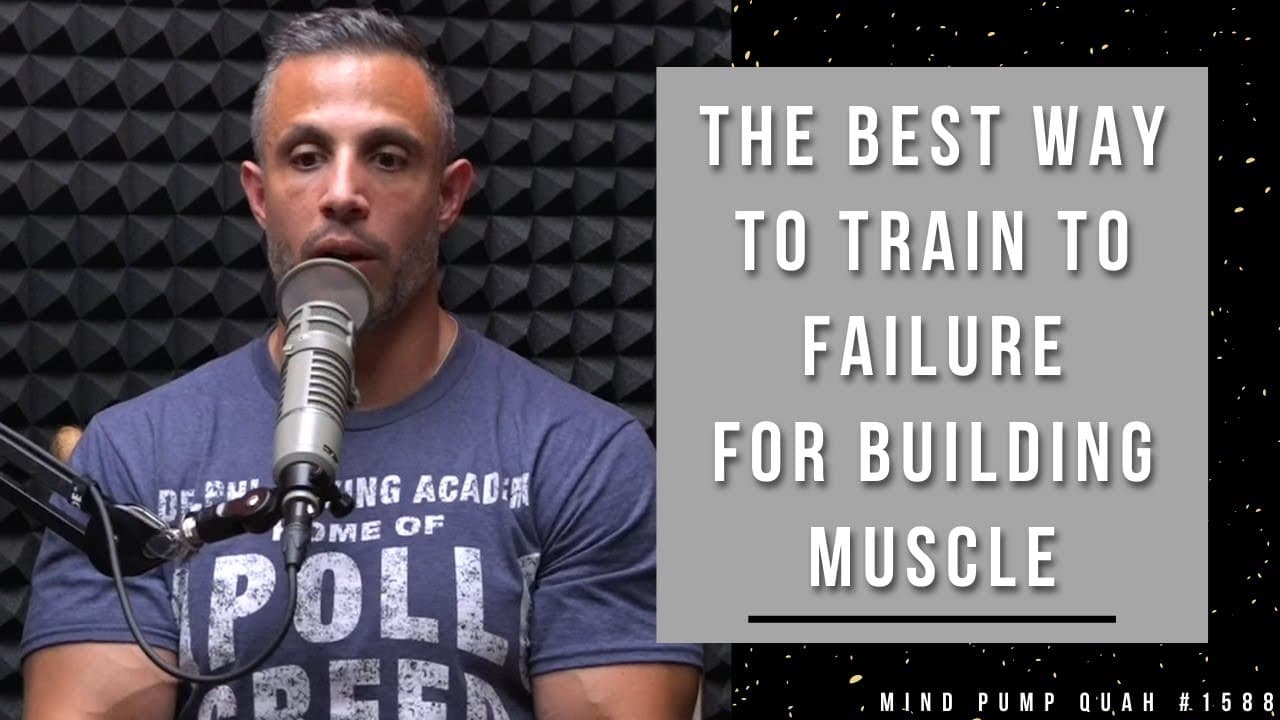
TL;DR
Lifting to failure isn't necessary; focus on form and technique.
Transcript
the next question is from may punk should we be lifting to failure each set or should we feel like we can get more reps in with each set how can i tell if i'm lifting the right amount of weight to make progress oh man guess we haven't addressed this in a while it's been a while it is you know when i was younger i was under the impression that lifti... Read More
Key Insights
- Training to failure isn't essential for muscle growth; stopping two or three reps before failure is often more beneficial.
- Lifting to failure can be taxing on the central nervous system and may hinder recovery for subsequent workouts.
- Olympic and powerlifters rarely train to failure, focusing instead on proper form and technique for optimal results.
- Bodybuilders occasionally train to failure, but even they prioritize form over reaching absolute failure in their routines.
- Training to failure can lead to poor form and bad habits, increasing the risk of injury and long-term negative effects.
- It's beneficial to occasionally train to failure to understand personal limits, but it shouldn't be a regular practice.
- Maintaining proper form is crucial; lifting should stop when form begins to break down, not when absolute failure is reached.
- Training should focus on mastering technique and treating each lift as practice to prevent injury and build balanced strength.
Install to Summarize YouTube Videos and Get Transcripts
Explore YouTube Video Summarizer or Get YouTube Transcript Extractor
Questions & Answers
Q: Should we lift to failure in each set?
Lifting to failure in each set is not necessary and can be counterproductive. It can lead to poor form, increased risk of injury, and hinder recovery. Instead, it is recommended to stop two to three reps before failure, maintaining proper form to achieve better long-term results.
Q: What are the drawbacks of lifting to failure?
Lifting to failure can be taxing on the central nervous system and impede recovery, affecting performance in subsequent workouts. It often leads to poor form and bad habits, increasing the risk of injury and long-term negative effects on the body, especially if done regularly.
Q: Why do Olympic and powerlifters rarely train to failure?
Olympic and powerlifters rarely train to failure because their focus is on maintaining proper form and technique for optimal performance. Training to failure can compromise form, increase injury risk, and hinder recovery, which can negatively impact their overall training and competition readiness.
Q: How often should one train to failure?
Training to failure should be done sparingly, perhaps once every three to six months, to gauge personal limits. The focus should remain on maintaining proper form and stopping when form begins to break down to prevent injury and develop good lifting habits.
Q: What is the importance of maintaining proper form in lifting?
Maintaining proper form in lifting is crucial to prevent injury, develop balanced strength, and ensure long-term progress. Proper form helps build good lifting habits, reduces the risk of injury, and allows for more effective and efficient workouts by targeting the intended muscles correctly.
Q: How can lifting to failure affect long-term lifting habits?
Lifting to failure can negatively affect long-term lifting habits by promoting poor form and bad habits. This can lead to imbalances, increased injury risk, and long-term negative effects on the body. Focusing on proper form and technique helps build sustainable and effective lifting habits.
Q: What is a better gauge than lifting to failure?
A better gauge than lifting to failure is to lift until form begins to break down. This approach focuses on maintaining proper form and technique, ensuring effective muscle engagement and reducing injury risk. It aligns closely with stopping two or three reps before absolute failure.
Q: How can one determine the right intensity for lifting?
The right intensity for lifting can be determined by focusing on proper form and stopping two to three reps before failure. Occasional training to failure can help gauge personal limits, but the emphasis should remain on technique and form to achieve optimal results and prevent injury.
Summary & Key Takeaways
-
The discussion highlights that lifting to failure is not necessary for muscle growth. Instead, stopping two to three reps before failure is recommended for better results. This approach helps maintain proper form and reduces the risk of injury, promoting long-term progress in strength training.
-
Olympic and powerlifters, as well as many bodybuilders, prioritize form over training to failure. Lifting to failure can be taxing on the central nervous system and may hinder recovery, affecting performance in subsequent workouts. Proper form reduces injury risk and builds balanced strength.
-
Occasionally training to failure can be beneficial for understanding personal limits. However, consistent focus should be on maintaining proper form and technique. Lifting should stop when form begins to break down, not at absolute failure, to prevent injury and develop good lifting habits.
Read in Other Languages (beta)
Share This Summary 📚
Summarize YouTube Videos and Get Video Transcripts with 1-Click
Try YouTube Summary with ChatGPT & Claude or YouTube Transcript Generator
Explore More Summaries from Mind Pump Show 📚






Summarize YouTube Videos and Get Video Transcripts with 1-Click
Try YouTube Summary with ChatGPT & Claude or YouTube Transcript Generator