Nicomachean Ethics by Aristotle | Book 7
TL;DR
Aristotle delves into incontinence, temperance, and prudence with insights on virtues and vices.
Transcript
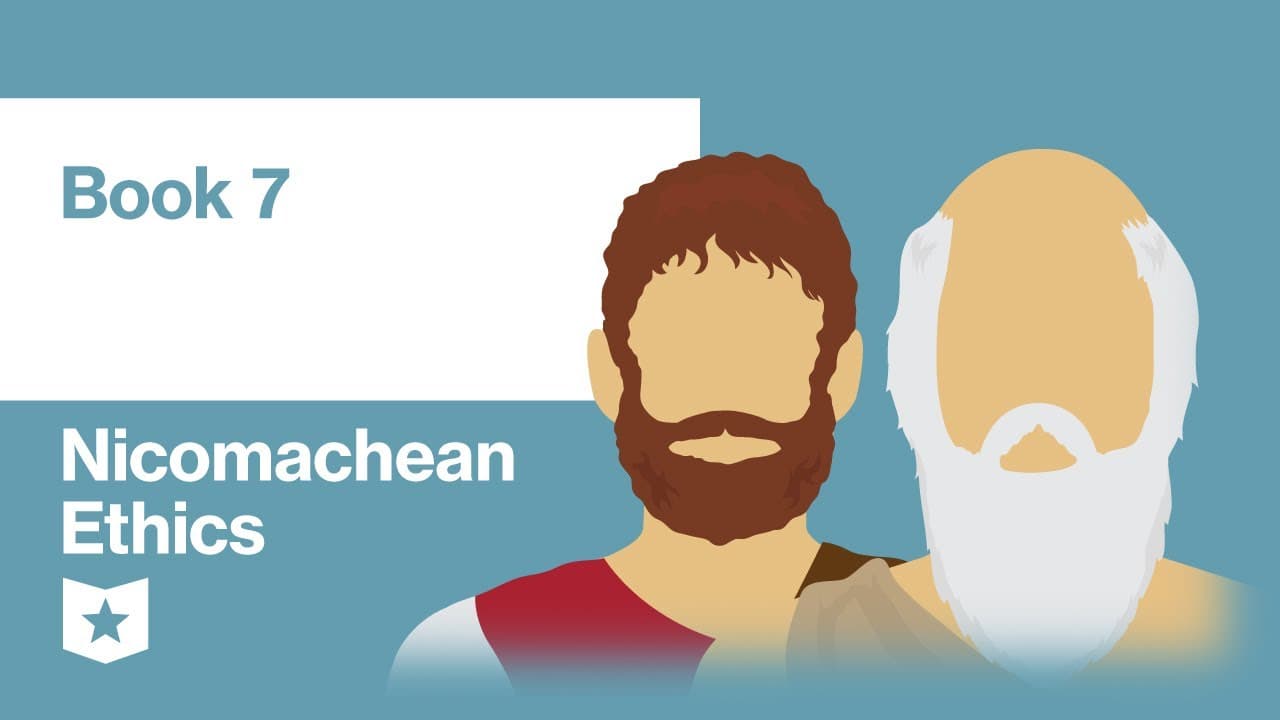
book seven of Nicomachean ethics is broken into 15 sections section one describes the conditions of character to avoid no matter what vice incontinence and bestiality the opposite of bestiality is a heroic or divine state similar to a god whose state is more honorable than virtue while bestiality is a state compared to an animal continents and inco... Read More
Key Insights
- ❓ Aristotle explores incontinence, temperance, and virtues like prudence in Book Seven of Nicomachean Ethics.
- 🤳 Differentiating between continent and incontinent individuals reveals the importance of moral reasoning and self-control.
- 👨🎨 The role of pleasure, pain, and happiness in human actions and virtues is discussed in depth.
- ⚠️ Aristotle warns against deceptive arguments from Sophists and emphasizes the pursuit of truth.
- 🤳 Intemperance is portrayed as worse than incontinence due to self-awareness and capability of regret.
- 👋 The complexities of human happiness and the pursuit of the good, including pleasure, are examined.
- 👋 Aristotle argues for moderation and balance in the pursuit of pleasures and goods for a virtuous life.
Install to Summarize YouTube Videos and Get Transcripts
Explore YouTube Video Summarizer or Get YouTube Transcript Extractor
Questions & Answers
Q: What are the key differences between a continent person and an incontinent person according to Aristotle?
A continent person makes a rational decision to do what is right, while an incontinent person knows the right thing but doesn't do it due to base desires, showing a distinction in their actions and reasoning.
Q: Why does Aristotle warn against sophistical arguments in section two of Book Seven?
Aristotle warns against Sophists who use deceptive arguments to confuse rather than seek truth, highlighting the importance of distinguishing between true beliefs and false convictions.
Q: How does Aristotle differentiate between pleasures that lead to incontinence and those that do not in section four?
Aristotle distinguishes between necessary bodily pleasures like food and sex and excessive indulgence in pleasure that can lead to incontinence, emphasizing moderation in pursuing pleasures.
Q: Why does Aristotle argue that intemperance is worse than incontinence in section eight?
Aristotle suggests that intemperate people do not regret their actions, while incontinent individuals are aware of their behavior and capable of feeling regret, showcasing a difference in moral understanding and reflection.
Summary & Key Takeaways
-
Book Seven of Nicomachean Ethics discusses incontinence, virtues, and vices.
-
Incontinence contrasts with virtues like temperance and prudence.
-
Aristotle explores pleasure, pain, and the complexities of human happiness.
Read in Other Languages (beta)
Share This Summary 📚
Summarize YouTube Videos and Get Video Transcripts with 1-Click
Try YouTube Summary with ChatGPT & Claude or YouTube Transcript Generator
Explore More Summaries from Course Hero 📚

Summarize YouTube Videos and Get Video Transcripts with 1-Click
Try YouTube Summary with ChatGPT & Claude or YouTube Transcript Generator