What Is the VIX®?
TL;DR
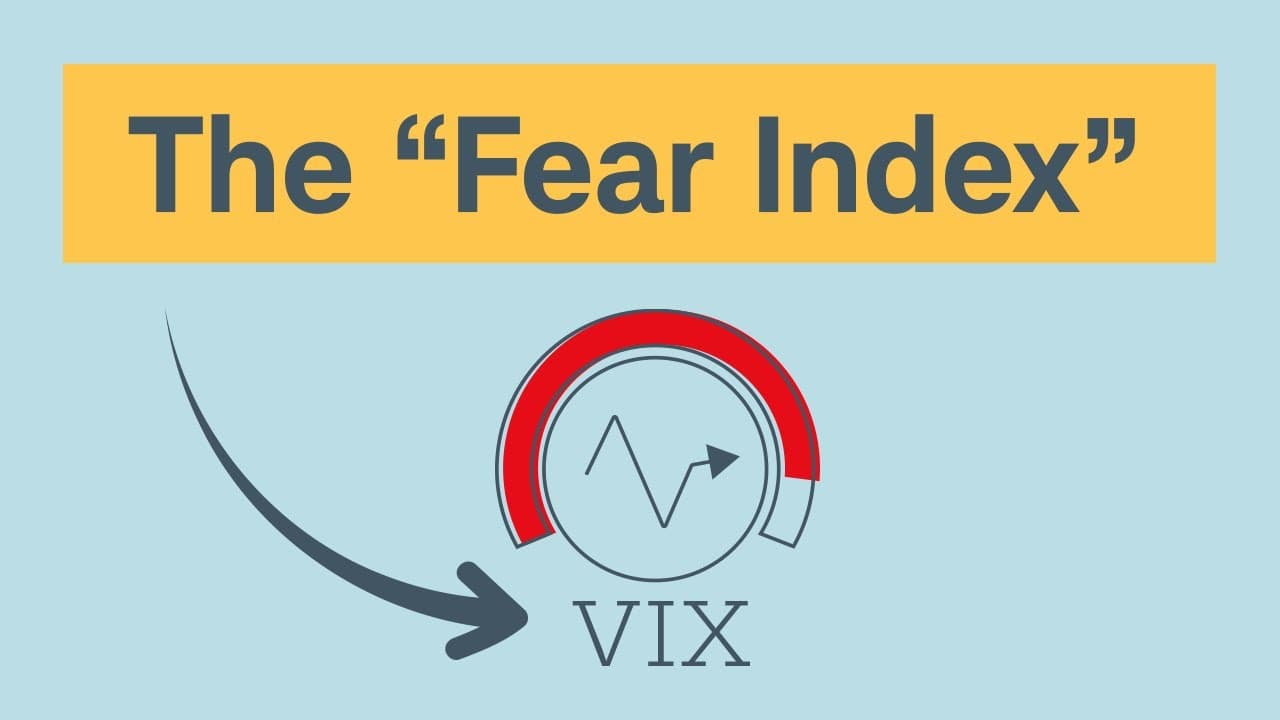
The VIX, also known as the "fear" index, can help investors determine market sentiment and make trading decisions.
Transcript
Implied volatility levels can tell you a lot about the market. One of the most useful is the market sentiment, or to put it another way, whether traders are feeling more bullish or bearish. There’s one important index that can help you identify current implied volatility levels—it’s called the VIX®. Sometimes it’s referred to as the “fear” index. I... Read More
Key Insights
- 👣 Implied volatility levels, tracked by the VIX, can indicate market sentiment and help make trading decisions.
- 🥺 When market prices are expected to make significant moves, investors tend to purchase more options for protection, leading to higher implied volatility levels.
- 🤨 Increased demand for options raises their prices and attracts option sellers, potentially causing a decrease in implied volatility levels.
- ✋ Historical examples, such as the 2008 bear market, highlight the impact of high implied volatility and its correlation to market bottoms.
- ✋ Recognizing high implied volatility can help market makers create profitable positions by selling options.
Install to Summarize YouTube Videos and Get Transcripts
Explore YouTube Video Summarizer or Get YouTube Transcript Extractor
Questions & Answers
Q: What can implied volatility levels tell us about the market?
Implied volatility levels can provide insights into market sentiment and whether traders are feeling bullish or bearish. When levels are higher, it suggests increased uncertainty in the market.
Q: How does the VIX help determine implied volatility levels?
The VIX, also known as the "fear" index, tracks the implied volatility for the S&P 500 options. When the VIX rises, it indicates increased demand for options and higher implied volatility levels.
Q: How do market makers use implied volatility to set prices?
Market makers react to increased demand for options by raising prices to account for higher uncertainty. This also attracts option sellers, which can ultimately lead to a decrease in implied volatility levels.
Q: How can option sellers profit from high implied volatility levels?
Option sellers can take advantage of high implied volatility by selling options when prices are high. They rely on time decay to create profits as implied volatility levels eventually decrease.
Summary & Key Takeaways
-
Implied volatility levels, especially through the VIX, can indicate market sentiment and whether traders are bullish or bearish.
-
The relationship between stock prices and implied volatility leads to higher implied volatility levels when there is uncertainty in the market.
-
The VIX tracks the implied volatility for the S&P 500 options, and its rise indicates increased demand and more expensive options.
Read in Other Languages (beta)
Share This Summary 📚
Summarize YouTube Videos and Get Video Transcripts with 1-Click
Try YouTube Summary with ChatGPT & Claude or YouTube Transcript Generator
Explore More Summaries from Charles Schwab 📚




Summarize YouTube Videos and Get Video Transcripts with 1-Click
Try YouTube Summary with ChatGPT & Claude or YouTube Transcript Generator