What Is the Green New Deal and How Does It Address Climate Change?
TL;DR
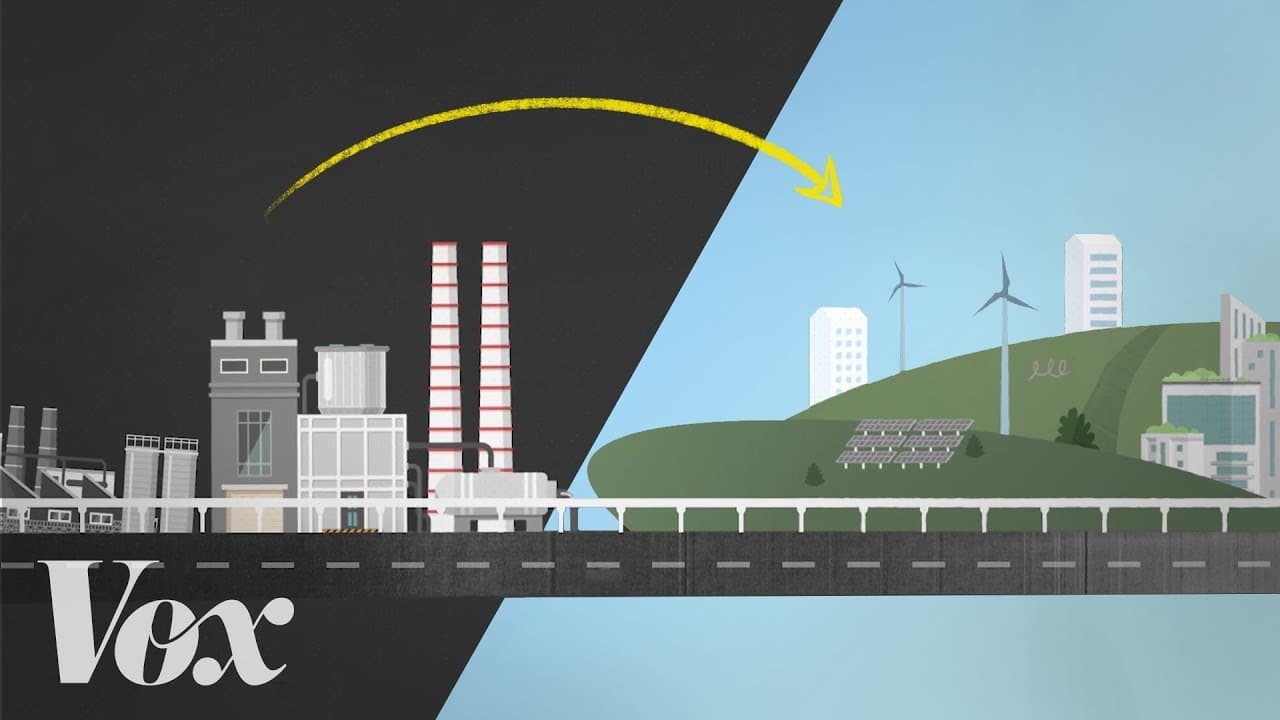
The Green New Deal is a framework aimed at addressing the climate crisis by transitioning away from fossil fuels while ensuring social equity. It emphasizes the need for urgent action to keep global warming below 1.5 degrees Celsius, proposing solutions that include economic guarantees for those affected by the transition. Despite criticisms, it is the only current plan acknowledging the scale of the climate challenges we face.
Transcript
Every few years, they gather to tell us what's happening to our warming planet. In 2018, they had some news. "It’s very clear that half a degree matters." This is a chart of how much the global temperature has gone up since we discovered fossil fuels. For a long time, scientists said that we should try to stay under this line: 1.5 degrees celsius. ... Read More
Key Insights
- The Green New Deal is a response to the urgent climate crisis, aiming to reduce global warming and its catastrophic impacts.
- Scientists have revised the safe global temperature increase from 2 degrees to 1.5 degrees Celsius, emphasizing the urgency of climate action.
- The resolution is not a legislative bill but a framework identifying the problem and necessary steps for climate mitigation.
- A key component is the complete cessation of fossil fuel use, necessitating a rapid and comprehensive transformation of energy systems.
- The transition away from fossil fuels will create economic shifts, including job losses in traditional energy sectors, but also new opportunities.
- The Green New Deal emphasizes social equity, ensuring those affected by the transition receive support and opportunities.
- The resolution proposes economic guarantees such as jobs, healthcare, and education to mitigate the impact on vulnerable communities.
- Critics argue the plan is unrealistic and economically burdensome, yet it remains the only proposal addressing the full scale of the climate crisis.
Install to Summarize YouTube Videos and Get Transcripts
Explore YouTube Video Summarizer or Get YouTube Transcript Extractor
Questions & Answers
Q: What is the primary goal of the Green New Deal?
The primary goal of the Green New Deal is to address the urgent climate crisis by reducing global warming through the complete cessation of fossil fuel use. It aims to limit the global temperature increase to 1.5 degrees Celsius to prevent catastrophic environmental impacts and ensure a sustainable future.
Q: Why is the Green New Deal not considered a legislative bill?
The Green New Deal is not considered a legislative bill because it is a 14-page resolution that serves as a framework for identifying the climate crisis and outlining necessary steps for mitigation. It is meant to initiate discussions and guide future legislation rather than being a policy proposal ready for enactment.
Q: How does the Green New Deal propose to handle the economic impact of transitioning away from fossil fuels?
The Green New Deal proposes handling the economic impact of transitioning away from fossil fuels by creating new job opportunities in clean energy industries and providing economic guarantees. These include job guarantees, public employment, universal healthcare, and education and training to support those affected by the transition.
Q: What social equity measures are included in the Green New Deal?
The Green New Deal includes social equity measures to ensure that the transition to a clean energy economy does not exacerbate existing inequalities. It proposes economic guarantees such as jobs, healthcare, and education to support vulnerable communities and prevent wealth and power disparities from worsening during the transition.
Q: Why is the Green New Deal considered a longshot by some critics?
The Green New Deal is considered a longshot by some critics due to its ambitious scope and the perceived economic burden of implementing such comprehensive changes. Critics argue that the proposal is unrealistic and could lead to excessive government intervention and spending, making it challenging to gain widespread political support.
Q: What are the two main ideas contained in the Green New Deal?
The two main ideas contained in the Green New Deal are the urgent need to stop burning fossil fuels to mitigate the climate crisis and the commitment to social justice by ensuring that the transition to a clean energy economy benefits all Americans, particularly those historically marginalized or economically vulnerable.
Q: How does the Green New Deal address the potential job losses in traditional energy sectors?
The Green New Deal addresses potential job losses in traditional energy sectors by proposing the creation of new industries and job opportunities in clean energy. It emphasizes retraining and education programs to help workers transition to new roles, along with economic guarantees to support those temporarily displaced by the transition.
Q: What is the significance of the 1.5 degrees Celsius target in the Green New Deal?
The significance of the 1.5 degrees Celsius target in the Green New Deal is to prevent catastrophic environmental impacts associated with higher levels of global warming. Scientists warn that exceeding this threshold could lead to severe consequences such as mass migration, wildfires, and heat stress, making it crucial to limit temperature rise to this level.
Summary & Key Takeaways
-
The Green New Deal is a strategic framework addressing climate change by ceasing fossil fuel use and ensuring social equity. It emphasizes urgency, aiming to keep global warming below 1.5 degrees Celsius to avoid catastrophic impacts.
-
The resolution is not a law but a starting point for discussion, outlining the need for a rapid transition to clean energy. It highlights the economic and social challenges of this transition, including job losses and the need for new industries.
-
A significant aspect of the Green New Deal is its commitment to social justice, proposing economic guarantees to support those affected by the transition. Despite criticisms, it remains the only plan acknowledging the full scope of the climate crisis.
Read in Other Languages (beta)
Share This Summary 📚
Summarize YouTube Videos and Get Video Transcripts with 1-Click
Try YouTube Summary with ChatGPT & Claude or YouTube Transcript Generator
Explore More Summaries from Vox 📚

Summarize YouTube Videos and Get Video Transcripts with 1-Click
Try YouTube Summary with ChatGPT & Claude or YouTube Transcript Generator