3 Trauma-Informed Practices Backed By Science
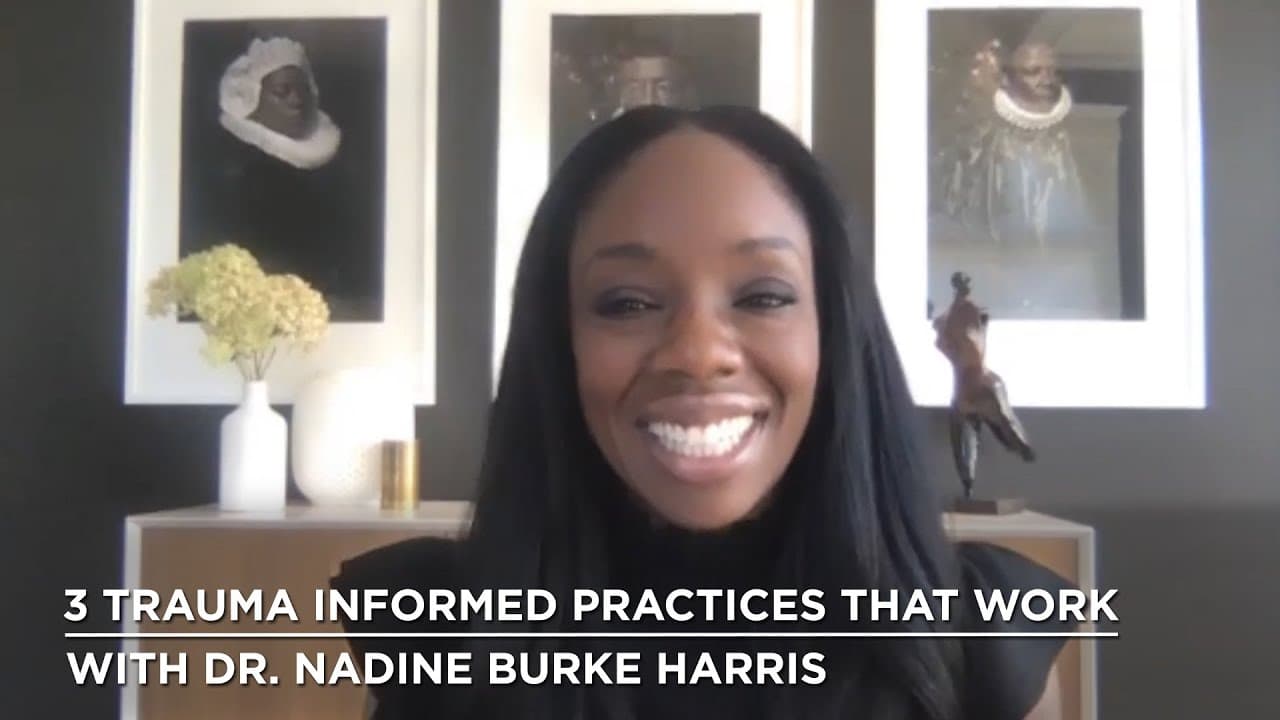
TL;DR
High doses of adversity can have detrimental effects on children's developing brains, immune systems, and hormonal systems, but educators can provide healing interactions through social-emotional learning. Meditation and mindfulness practices can help regulate stress hormones and promote recovery in children with toxic stress.
Transcript
Nadine: High doses of adversity can change the structure and function of children's developing brains, their developing immune system, their developing hormonal systems, and even the way their DNA is read and transcribed. Those changes are what we now refer to as a toxic stress response. Okay, as a doctor, I may be the one who's screening for adv... Read More
Key Insights
- ✋ High doses of adversity can have profound effects on children's developing bodies, including their brains, immune systems, hormonal systems, and DNA.
- 🖐️ Educators play a vital role in mitigating the effects of toxic stress through daily healing interactions and social-emotional learning programs.
- ✋ Traditional disciplinary actions like suspensions may be counterproductive for children with high doses of adversity, and alternative approaches should be considered.
- 👶 Mindfulness practices, such as meditation, have been shown to regulate stress hormones and promote recovery in children with toxic stress.
Install to Summarize YouTube Videos and Get Transcripts
Explore YouTube Video Summarizer or Get YouTube Transcript Extractor
Questions & Answers
Q: What are some of the effects of high doses of adversity on children's developing bodies and brains?
High doses of adversity can impact the structure and function of children's brains, immune systems, hormonal systems, and even the way their DNA is read and transcribed. These changes are referred to as a toxic stress response.
Q: How do educators contribute to mitigating the effects of toxic stress?
Educators have the opportunity to deliver healing interactions on a daily basis, which can help counteract toxic stress. They can implement social-emotional learning programs to provide children with tools to understand and respond to their emotions, helping them recognize and calm their bodies down.
Q: Why may suspending children with high doses of adversity at home be harmful?
Suspending children with high doses of adversity at home may do more harm than good because the home environment may contribute to their adverse experiences. Instead of removing them from school, alternative approaches like in-school suspensions or restorative justice could provide the time and space for their stress hormone levels to decrease and allow them to self-regulate.
Q: How can meditation and mindfulness practices benefit children with toxic stress?
The implementation of mindfulness practices has been found to regulate the part of the brain associated with recovery from provocation. Meditation has been associated with reduced levels of cortisol, other stress hormones, and physiological indicators like blood pressure and heart rate, providing a healing effect for children with toxic stress.
Summary & Key Takeaways
-
High levels of adversity can cause significant changes in children's developing brains, immune systems, hormonal systems, and DNA, leading to a toxic stress response.
-
Educators play a crucial role in providing daily doses of healing interactions to counteract toxic stress, offering social-emotional learning and tools to help children recognize and respond to their emotions.
-
Traditional disciplinary actions like suspending defiant or behaviorally challenged children may do more harm than good, and alternative approaches, such as in-school suspensions and restorative justice, should be considered to allow for self-regulation and stress reduction.
Read in Other Languages (beta)
Share This Summary 📚
Summarize YouTube Videos and Get Video Transcripts with 1-Click
Try YouTube Summary with ChatGPT & Claude or YouTube Transcript Generator
Explore More Summaries from Edutopia 📚

Summarize YouTube Videos and Get Video Transcripts with 1-Click
Try YouTube Summary with ChatGPT & Claude or YouTube Transcript Generator