No joke, I'm switching to remix after this bug
TL;DR
Next.js faces caching challenges in eventually consistent systems, impacting data freshness during updates.
Transcript
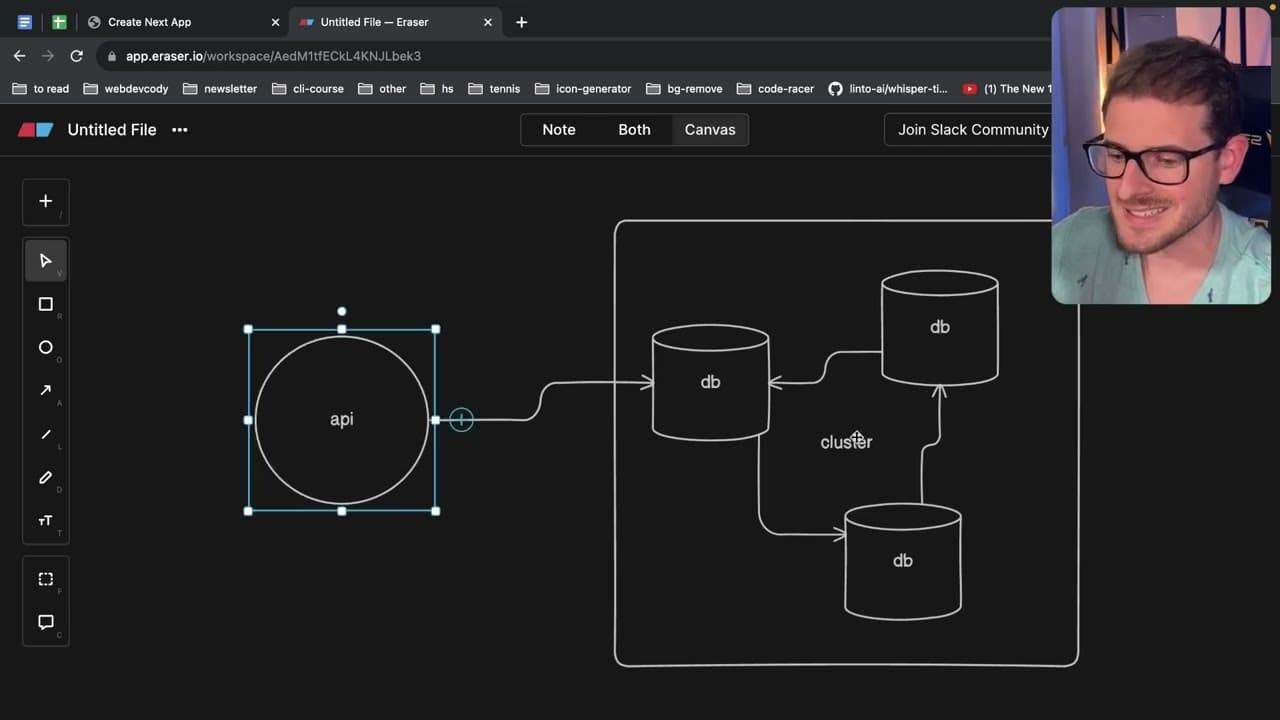
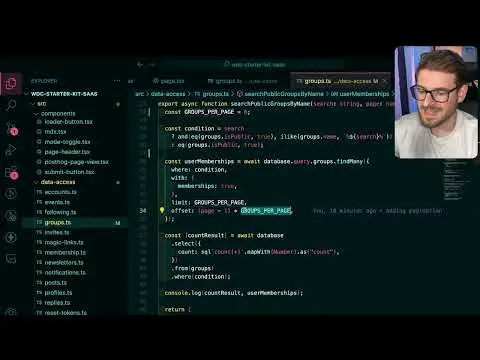
all right I promise this will be the last next.js complaint about the caching I wanted to share something that I think is actually pretty good to talk about when you're dealing with systems that are eventually consistent so what is an eventually consistent system well I'm going to go ahead and draw some diagrams because I think that'll help it demo... Read More
Key Insights
- 👤 Understanding eventually consistent systems is essential for managing API data integrity and ensuring a smooth user experience.
- 🥺 The challenges of data freshness in client-side caches, particularly in frameworks like Next.js, can lead to user confusion and frustrations during updates.
- 👤 Implementing state management techniques like optimistic UI updates can improve user interactions, but requires careful handling of the underlying data flow.
- 🪝 The integration of hooks like useEffect is crucial to ensure React components re-render with updated data effectively.
- 💁 Developers must be aware of and test component behaviors surrounding data fetching to mitigate issues related to stale information.
- ⌛ Debugging caching issues can require significant time investment, as developers need to experiment with multiple approaches to ensure their applications function as intended.
- 👶 Keeping up to date with framework updates is important, as new features may address previous caching issues and enhance application performance.
Install to Summarize YouTube Videos and Get Transcripts
Explore YouTube Video Summarizer or Get YouTube Transcript Extractor
Questions & Answers
Q: What are eventually consistent systems, and why do they pose challenges?
Eventually consistent systems allow data to be written across a distributed database, but it can take time for updates to propagate fully. This leads to scenarios where newly written data may not be immediately reflected when reading, resulting in stale data being served to users, which complicates user experience and application integrity.
Q: How does Next.js handle data fetching, and what issues arise?
Next.js utilizes React server components for data fetching, but this can lead to issues where the state gets populated with outdated data due to its caching layer. If users perform actions like updates or deletions, they might be presented with old data until the system refreshes, causing confusion and a degraded user experience.
Q: What troubleshooting steps did the author take to address data refresh issues in Next.js?
The author explored various methods, including using optimistic UI updates, removing revalidation paths, and employing router refresh commands. Ultimately, they determined that integrating a useEffect hook to monitor changes in state was necessary to force React to re-render components correctly, achieving the desired data consistency.
Q: Why did the author consider switching from Next.js to Remix?
The author expressed frustration with the caching issues in Next.js that led to user experience problems and inefficiencies in managing state updates. They mentioned exploring Remix as an alternative, hoping that it would provide a smoother workflow without the challenges posed by Next.js's caching mechanism.
Summary & Key Takeaways
-
The content discusses the implications of eventually consistent systems, particularly in relation to caching challenges in Next.js applications.
-
It presents real-world issues experienced when trying to manage state updates and data fetching, highlighting persistence of stale data.
-
The author provides troubleshooting insights, including using useEffect to force component re-renders and router refreshes for ensuring accurate data display.
Read in Other Languages (beta)
Share This Summary 📚
Summarize YouTube Videos and Get Video Transcripts with 1-Click
Try YouTube Summary with ChatGPT & Claude or YouTube Transcript Generator
Explore More Summaries from Web Dev Cody 📚

Summarize YouTube Videos and Get Video Transcripts with 1-Click
Try YouTube Summary with ChatGPT & Claude or YouTube Transcript Generator