Immersive Science Learning in Virtual Reality - Jeremy Bailenson
TL;DR
Stanford University is developing a virtual reality field trip to teach about climate change and its impact on the oceans.
Transcript
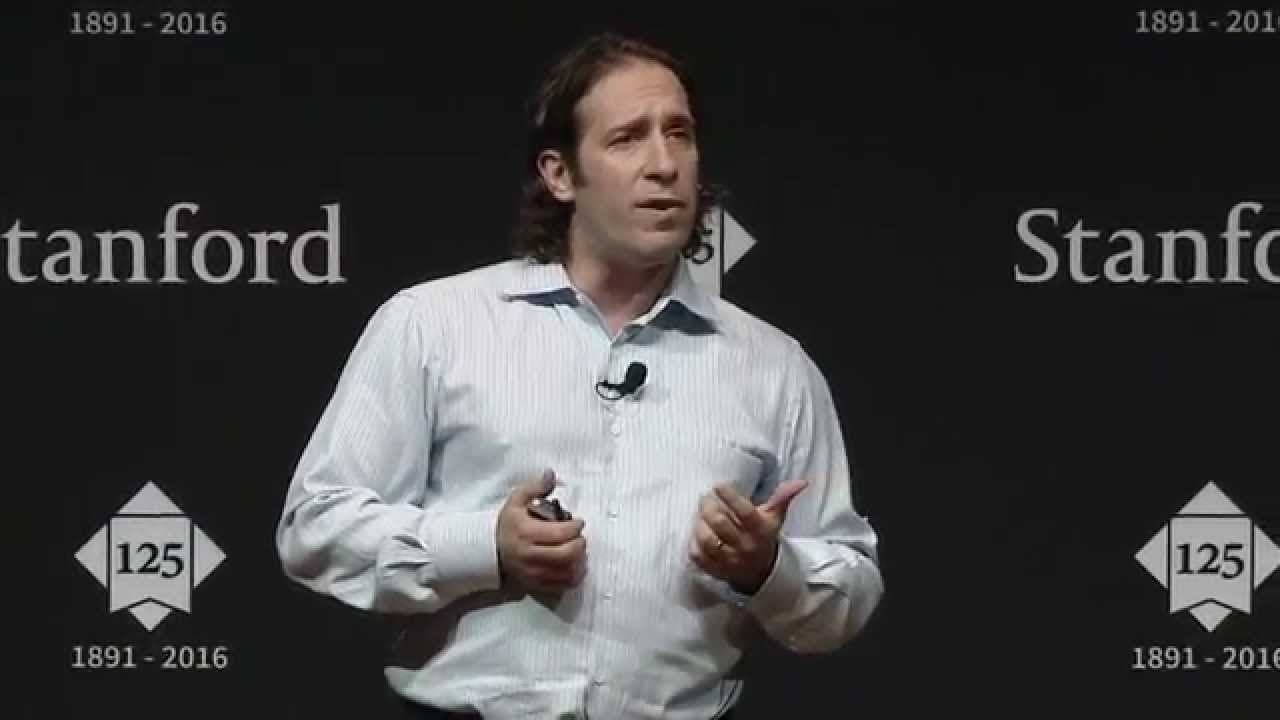
Stanford University so my name is Jeremy and today we're gonna talk about a project I've been doing for about five years and really excited because we're almost at the moment where the project is nearing completion and I get to show it and talk about it so my colleagues here a brilliant marine scientist named work named FEMA Kelly and an educationa... Read More
Key Insights
- 💱 Virtual reality offers a unique opportunity to create immersive learning experiences that can change the way people think about and understand complex topics like climate change.
- 🌊 The virtual reality field trip project focuses on the effects of carbon dioxide absorption on the oceans and highlights the significance of ocean acidification.
- 🥺 By providing an active and experiential learning experience, virtual reality simulations can significantly impact behavior and lead to more environmentally conscious actions.
- 🙂 Advancements in technology, such as lighter and more affordable virtual reality headsets, are making it easier to bring virtual reality experiences into homes and classrooms.
- 📽️ The project aims to leverage partnerships with technology companies to make educational simulations on climate change accessible to a wider audience.
- 🎓 Virtual reality has the potential to revolutionize education by providing realistic and engaging experiences that transcend traditional classroom teaching methods.
- 💱 The project highlights the importance of direct experience in changing people's perspective on climate change, as scientists who witness the effects firsthand are more likely to believe in its seriousness.
Install to Summarize YouTube Videos and Get Transcripts
Explore YouTube Video Summarizer or Get YouTube Transcript Extractor
Questions & Answers
Q: How does virtual reality work and what are its main components?
Virtual reality tracks physical movement, redraws the scene based on movement, and sends perceptual information back to the user's eyes, ears, and skin.
Q: What is ocean acidification and why is it a significant issue?
Ocean acidification is the process where increased carbon dioxide absorption by the ocean causes a decrease in pH levels, leading to the destruction of coral reefs and marine life.
Q: What is the goal of Stanford University's virtual reality field trip project?
The goal is to provide a compelling and immersive experience that allows users to understand the impact of climate change on the oceans and educate a wider audience.
Q: How can virtual reality simulations change people's behaviors and actions?
Virtual reality simulations can create a sense of presence and immersion that leads to more impactful learning experiences, resulting in behavior change, as seen in studies on reducing paper usage.
Summary & Key Takeaways
-
Stanford University is building a virtual reality field trip to educate people about climate change and how it affects the oceans.
-
The project aims to provide an immersive learning experience to change the way people think about climate change.
-
The virtual reality simulation accurately depicts the effects of carbon dioxide absorption on ocean life and encourages active learning.
Read in Other Languages (beta)
Share This Summary 📚
Summarize YouTube Videos and Get Video Transcripts with 1-Click
Try YouTube Summary with ChatGPT & Claude or YouTube Transcript Generator
Explore More Summaries from Stanford 📚

Summarize YouTube Videos and Get Video Transcripts with 1-Click
Try YouTube Summary with ChatGPT & Claude or YouTube Transcript Generator