Dark Goya (Full length): The later Works
TL;DR
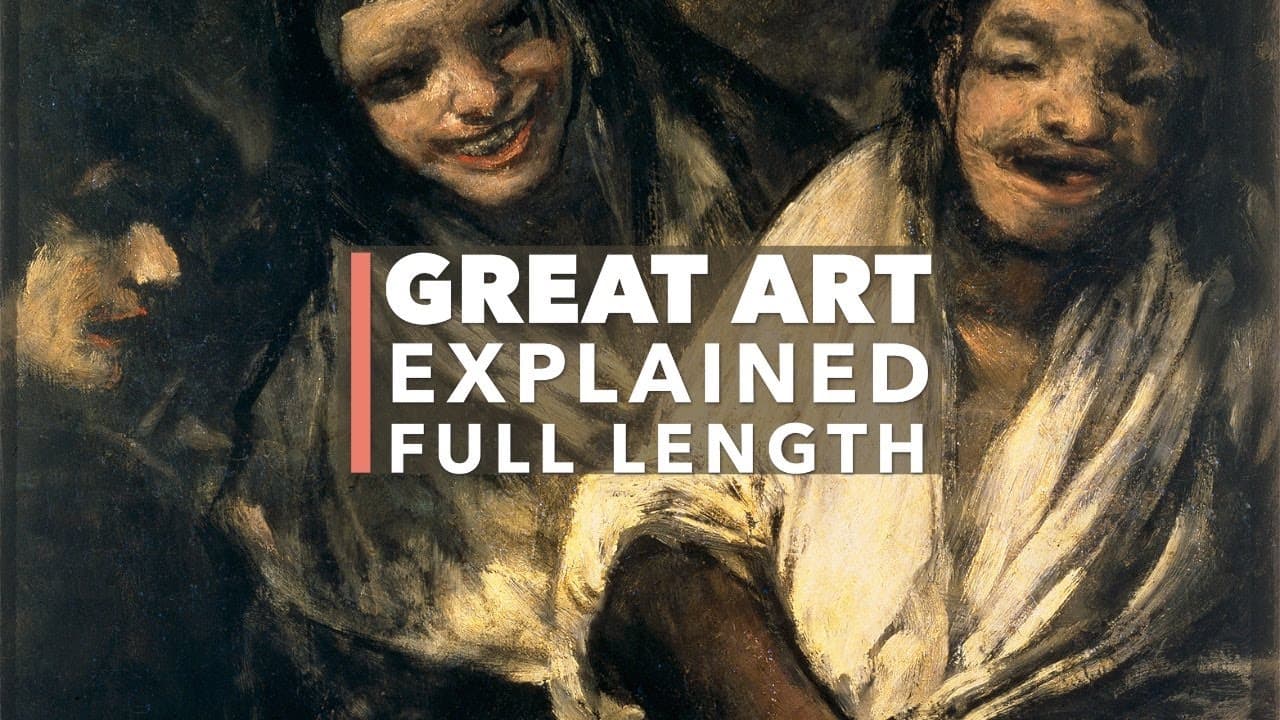
Francisco Goya's transition from a celebrated court painter to creating dark and pessimistic works during his isolation in the countryside, reflecting the political and social upheaval of his time.
Transcript
In 1819, Francisco José de Goya y Lucientes, commonly known as Goya, was a successful and celebrated artist. Then suddenly he withdrew from public life, left Madrid and the Royal Court behind, and moved into a farmhouse in the countryside. His wife and most of his friends were dead and he had become isolated. He was 73-years old, sick and ... Read More
Key Insights
- 😨 Goya, a celebrated artist, experienced personal tragedy and political upheaval, leading to a profound shift in his art.
- 😔 Goya's Black paintings were created during a period of isolation and pessimism, reflecting his deepening view of humanity.
- 🖌️ Goya's journey as an artist took him from royal portraits to the horrors of war, eventually leading to his dark and provocative works.
- 🇪🇸 Goya witnessed the brutalities of the Napoleonic invasion and the Spanish uprising against French occupation, which greatly impacted his work.
- 🎨 Goya's etchings, such as "Los Caprichos" and "The Disasters of War," were powerful critiques of society, denouncing violence and abuse of power.
- ⛪ Goya's subversive works challenged the influence of the Catholic Church, which held oppressive control over art and ideology in Spain.
- ✨ Goya's black paintings were created in secrecy and were never intended for public viewing, highlighting their provocative and unconventional nature.
- 💔 Goya's black paintings, with their grotesque and haunting imagery, express his disillusionment and despair for humanity, showcasing the dark side of human nature.
Install to Summarize YouTube Videos and Get Transcripts
Explore YouTube Video Summarizer or Get YouTube Transcript Extractor
Questions & Answers
Q: What influenced Goya's transition from royal portraits to more subversive and dark subject matter?
Goya's shift in artistic style and subject matter was influenced by his personal experiences, such as his deafness and his witnessing of the violent war and political upheaval in Spain.
Q: How did Goya's black paintings differ from his earlier works?
While Goya's earlier works depicted the upper classes and religious subjects, his black paintings were much darker in tone and subject matter, reflecting his pessimistic view of humanity and society.
Q: How did Goya's deafness impact his art?
Goya's deafness forced him to rely more on his own personal vision and imagination, leading him to explore more experimental and visionary styles in his later works.
Q: Why did Goya create his black paintings in secrecy?
Goya created his black paintings in secrecy because their provocative and controversial subject matter would have likely faced censorship by the Spanish monarchy and the Inquisition.
Q: How were Goya's black paintings received by the public after his death?
Goya's black paintings were not intended for public viewing during his lifetime and were only named and exhibited after his death. They were eventually recognized as powerful and deeply critical reflections of humanity.
Q: What themes did Goya explore in his black paintings?
Goya's black paintings explored themes of violence, superstition, social inequality, and the abuse of power, offering a scathing critique of Spanish society and its political and religious institutions.
Q: How did Goya's black paintings reflect the political and social turmoil of his time?
The black paintings captured Goya's pessimism towards humanity and society during a period of war, political upheaval, and the restoration of a despotic ruler in Spain.
Summary & Key Takeaways
-
Francisco Goya was a successful court painter in 18th-century Spain but experienced personal hardships and witnessed political and social upheaval.
-
Deafness and the horrors of war led Goya to explore a more personal and subversive artistic vision, creating works like "Los Caprichos" and "The Disasters of War."
-
In his later years, Goya withdrew from public life and created the famous "Black Paintings" in secret, reflecting his deeply pessimistic view of humanity.
Read in Other Languages (beta)
Share This Summary 📚
Summarize YouTube Videos and Get Video Transcripts with 1-Click
Try YouTube Summary with ChatGPT & Claude or YouTube Transcript Generator
Explore More Summaries from Great Art Explained 📚
Summarize YouTube Videos and Get Video Transcripts with 1-Click
Try YouTube Summary with ChatGPT & Claude or YouTube Transcript Generator