Why Hillary Clinton Considered Universal Basic Income
TL;DR
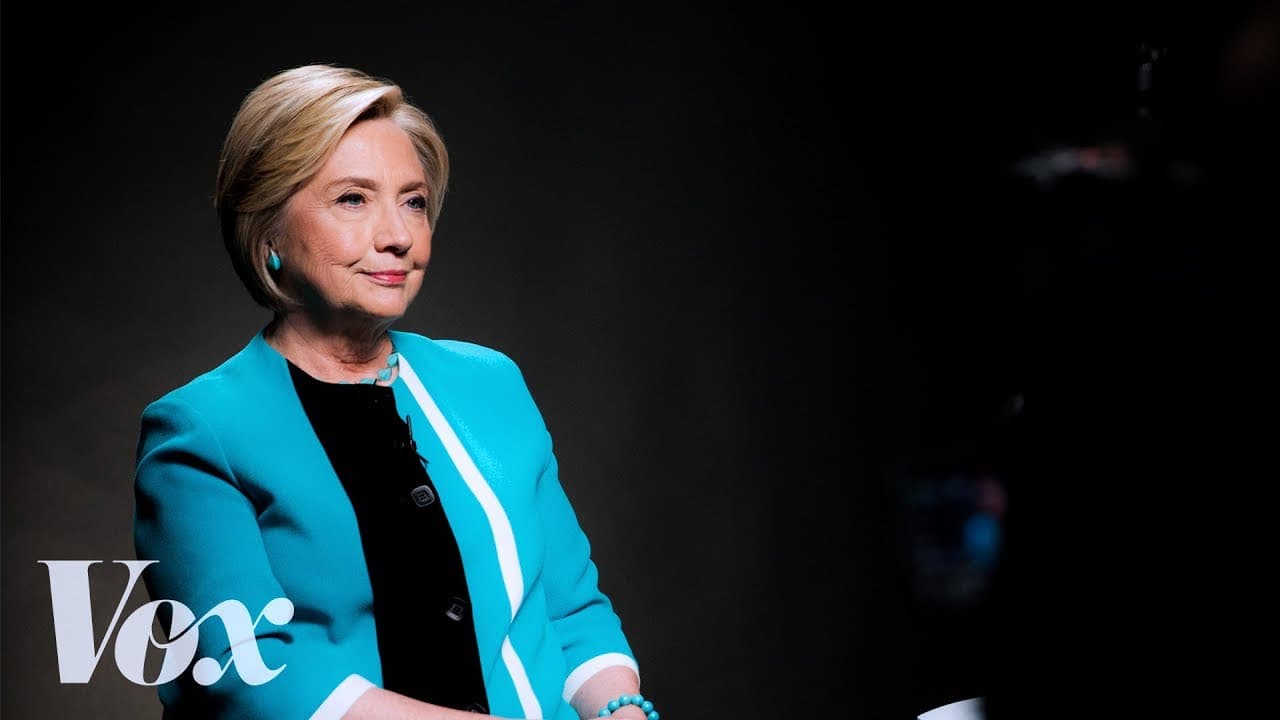
Hillary Clinton explored the idea of a universal basic income (UBI) during her 2016 presidential campaign, inspired by Alaska's oil revenue model. She saw it as a way to connect Americans to shared natural resources. However, due to complexities in implementation and potential tax increases, she ultimately decided against it. Clinton reflects on whether embracing big ideas without immediate details might have been a better campaign strategy.
Transcript
Ezra Klein: Secretary Clinton, thank you for being here. Hillary Rodham Clinton: Thank you, Ezra, glad to talk to you again. EK: So I wanted to start with a part of the book that surprised me the most, which was you almost ran on the beginning of a universal basic income in America, which you were gonna call Alaska for America. Tell me a bit about ... Read More
Key Insights
- Hillary Clinton considered a universal basic income model inspired by Alaska's oil revenue distribution.
- The Alaska model involves distributing oil revenue to residents, which intrigued Clinton as a way to connect Americans to shared resources.
- Clinton ultimately decided against UBI due to challenges in implementation and potential negative impacts on fossil fuel extraction.
- She reflects on whether proposing big, inspiring ideas without immediate details could have been a better strategy.
- Clinton believes that Democrats face challenges in communicating realistic policies compared to grand promises from opponents.
- She emphasizes the importance of working within the political system to achieve meaningful change.
- Clinton discusses the impact of voter suppression and its role in the 2016 election outcome.
- She views the Electoral College as an outdated system that disadvantages Democrats in presidential elections.
Install to Summarize YouTube Videos and Get Transcripts
Explore YouTube Video Summarizer or Get YouTube Transcript Extractor
Questions & Answers
Q: Why did Hillary Clinton consider a universal basic income?
Hillary Clinton considered implementing a universal basic income (UBI) inspired by Alaska's model of distributing oil revenue to residents. She saw it as a way to connect Americans to shared natural resources and address economic inequality. However, due to complexities in implementation, such as potential tax increases and challenges in defining natural patrimony, she ultimately decided against including it in her campaign.
Q: What challenges did Clinton face with the UBI proposal?
Clinton faced several challenges with the UBI proposal, including defining what constitutes 'natural patrimony' and how to fund the initiative without encouraging fossil fuel extraction. The proposal also risked raising taxes significantly or cutting essential programs, making it difficult to present as a feasible and responsible policy. These complexities led her to exclude it from her campaign platform.
Q: How does Clinton view the role of big ideas in campaigns?
Clinton reflects on whether embracing big, inspiring ideas without immediate details might have been a better strategy in her campaign. She acknowledges that big ideas can galvanize support and inspire voters, as seen in the campaigns of Bernie Sanders and Donald Trump. However, she also emphasizes the importance of realistic policies that can be implemented and funded responsibly.
Q: What does Clinton say about voter suppression in the 2016 election?
Clinton highlights voter suppression as one of the factors that contributed to her loss in the 2016 election. She points to states like Wisconsin and Michigan, where voter ID laws and other suppression tactics were implemented, potentially turning away significant numbers of voters. Clinton argues that addressing voter suppression is crucial for ensuring fair and democratic elections in the future.
Q: Why does Clinton critique the Electoral College system?
Clinton critiques the Electoral College system as an outdated mechanism that disadvantages Democrats, as seen in the 2016 election where she won the popular vote but lost the presidency. She argues that the system does not reflect the current economic and demographic realities of the country, and suggests that moving towards a popular vote system would be more representative of the electorate's will.
Q: How does Clinton view the media's role in the 2016 election?
Clinton criticizes the media for not adequately covering substantive policy discussions during the 2016 election. She believes that the media focused more on sensational aspects of the campaign, such as Donald Trump's rhetoric, rather than providing in-depth analysis of policies. Clinton argues that this lack of coverage contributed to voters not fully understanding the realistic implications of her and her opponent's proposals.
Q: What is Clinton's stance on the Democratic Party's direction?
Clinton advocates for a pragmatic approach within the Democratic Party, emphasizing the importance of working within the political system to achieve realistic and meaningful change. She is critical of radical proposals that lack feasibility and stresses the need for policies that can be implemented effectively. Clinton also highlights the importance of addressing voter suppression and electoral reforms to strengthen democracy.
Q: How does Clinton address the issue of race in the 2016 election?
Clinton acknowledges that race played a significant role in the 2016 election, with Donald Trump's campaign appealing to racial anxieties and prejudices. She points out that cultural and racial anxiety was a primary driver for many of Trump's supporters. Clinton also notes that while she won the women's vote overall, she lost among white women, highlighting the complex interplay of race and gender in voter behavior.
Summary & Key Takeaways
-
Hillary Clinton explored the idea of a universal basic income (UBI) as a campaign proposal, inspired by Alaska's model of distributing oil revenue to residents. She saw it as a way to connect Americans to shared natural resources and address economic inequality. However, due to complexities in implementation and potential tax increases, she ultimately decided against it, reflecting on whether embracing big ideas without immediate details might have been a better strategy.
-
Clinton discusses the challenges of communicating realistic policies in a political landscape where grand promises often overshadow pragmatic solutions. She emphasizes the importance of working within the political system to achieve meaningful change, despite the allure of more radical proposals. Clinton also addresses the impact of voter suppression and the role it played in the 2016 election outcome, highlighting the need for electoral reforms.
-
Reflecting on the 2016 election, Clinton critiques the Electoral College as an outdated system that disadvantages Democrats. She emphasizes the importance of voter registration and participation to counteract voter suppression efforts. Clinton also discusses the role of racism and white resentment in the election, arguing that Donald Trump's appeals to these sentiments were a significant factor in his victory.
Read in Other Languages (beta)
Share This Summary 📚
Summarize YouTube Videos and Get Video Transcripts with 1-Click
Try YouTube Summary with ChatGPT & Claude or YouTube Transcript Generator
Explore More Summaries from Vox 📚


Summarize YouTube Videos and Get Video Transcripts with 1-Click
Try YouTube Summary with ChatGPT & Claude or YouTube Transcript Generator