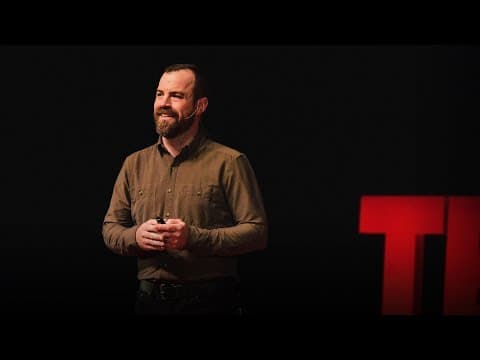
Barton Seaver: Sustainable seafood? Let's get smart

TL;DR
Restorative seafood goes beyond sustainability to replenish and progress our ocean's ecosystem, urging us to eat responsibly and with consideration for the environment.
Transcript
Sustainability represents the what, the where and the how of what is caught. The who and the why are what's important to me. I want to know the people behind my dinner choices. I want to know how I impact them. I want to know how they impact me. I want to know why they fish. I want to know how they rely on the water's bounty for their living. Under... Read More
Key Insights
- 🌍 Sustainability is important, but understanding the people, impact, and reasons behind seafood choices is key to shifting our perception and restoring the ecosystem.
- 🐟 Eating seafood from the green list is not enough; we need to consider the context and quantity of our meals to truly make a positive impact on species conservation.
- 🍷 The media promotes increased seafood consumption for health benefits, but it's not just about seafood, it's about the way we look at our plates and portion sizes.
- 🥗 Diversifying the species we consume, such as small silverfish and shellfish, can contribute to resilience and restoration efforts for our environment.
- 🍽️ Small portions of protein with plenty of vegetables can lead to healthier meals, increased engagement, and more enjoyment, while also considering the environment.
- 🐋 We should celebrate the opportunity to eat fashionable species responsibly and occasionally, rather than consuming them in excess, and prioritize vegetables for our meals.
- 💚 Food should provide health, joy, family, and community, and it's important to consider the global impact of everything we eat and minimize it to restore and share resources.
- 🌱 Savoring vegetables, consuming smaller portions of seafood, and actively saving dinner by being conscious eaters can make a significant difference.
Install to Summarize YouTube Videos and Get Transcripts
Explore YouTube Video Summarizer or Get YouTube Transcript Extractor
Questions & Answers
Q: How does restorative seafood differ from traditional ideas of sustainability when it comes to seafood consumption?
Restorative seafood looks beyond sustainability and considers the people, impact, and reasons behind our food choices, emphasizing the need for replenishment and progress in our oceans' ecosystem. It urges us to eat responsibly and prioritize the restoration of our environment.
Q: What is the importance of considering portion sizes and diversity of species in restorative seafood?
Portion sizes and diversity of species play an essential role in restorative seafood. By reducing portion sizes and diversifying the species we consume, we can promote resilience and restoration in our oceans, contributing to a more sustainable and balanced ecosystem.
Q: How does the chef's approach to portion sizes and diversified species positively impact both the environment and consumers?
By reducing portion sizes, the chef made more money while encouraging customers to choose appetizers and salads, leading to a more diversified and balanced meal. This approach promoted better engagement in meals, healthier eating habits, and ultimately contributed to environmental consideration and human interests.
Q: What are some recommendations for incorporating restorative seafood into our diets?
To incorporate restorative seafood, it is important to prioritize wholesome ingredients, consume smaller portions of seafood, and accompany meals with a variety of vegetables. By understanding the impact of our food choices and making conscious decisions, we can restore our environment and promote a sustainable food system.
Summary & Key Takeaways
-
Restorative seafood focuses on understanding the people, impact, and reasons behind our food choices, shifting our perception of seafood from a commodity to an opportunity to restore our ecosystem.
-
Eating only from the green list of sustainable seafood is not enough; we must also consider the context, portion sizes, and diversity of species in our meals.
-
By prioritizing wholesome ingredients, smaller portions of seafood, and a strong focus on vegetables, we can savor our meals while reducing the global impact and restoring our environment.
Read in Other Languages (beta)
Share This Summary 📚
Summarize YouTube Videos and Get Video Transcripts with 1-Click
Try YouTube Summary with ChatGPT & Claude or YouTube Transcript Generator
Explore More Summaries from TED 📚





Summarize YouTube Videos and Get Video Transcripts with 1-Click
Try YouTube Summary with ChatGPT & Claude or YouTube Transcript Generator