Products
Features
YouTube Video Summarizer
Summarize YouTube videos
Web & PDF Highlighter
Highlight web pages & PDFs
Chat with PDF
Ask any PDF questions with AI
Ask AI Clone
Chat with your highlights & memories
Audio Transcriber
Transcribe audio files to text
Glasp Reader
Read and highlight articles
Kindle Highlight Export
Export your Kindle highlights
Idea Hatch
Hatch ideas from your highlights
Integrations
Obsidian Plugin
Notion Integration
Pocket Integration
Instapaper Integration
Medium Integration
Readwise Integration
Snipd Integration
Hypothesis Integration
Apps & Extensions
Chrome Extension
Safari Extension
Edge Add-ons
Firefox Add-ons
iOS App
Android App
Discover
Discover
Ideas
Discover new ideas and insights
Articles
Curated articles and insights
Books
Book recommendations by great minds
Posts
Essays and notes from readers
Quotes
Inspiring quotes collection
Videos
Curated videos and summaries
Explore Glasp
Glasp Newsletter
Weekly insights and updates
Glasp Talk
Interview series with great minds
Glasp Blog
Latest news and articles
Glasp Use Cases
Learn how others use Glasp
Build & Support
Glasp API
Access Glasp's API for developers
MCP Connector
Connect Glasp to Claude & ChatGPT
Community
Glasp Reddit Community
Students
Student discount and benefits
FAQs
Frequently Asked Questions
AboutPricing
DashboardLog inSign up

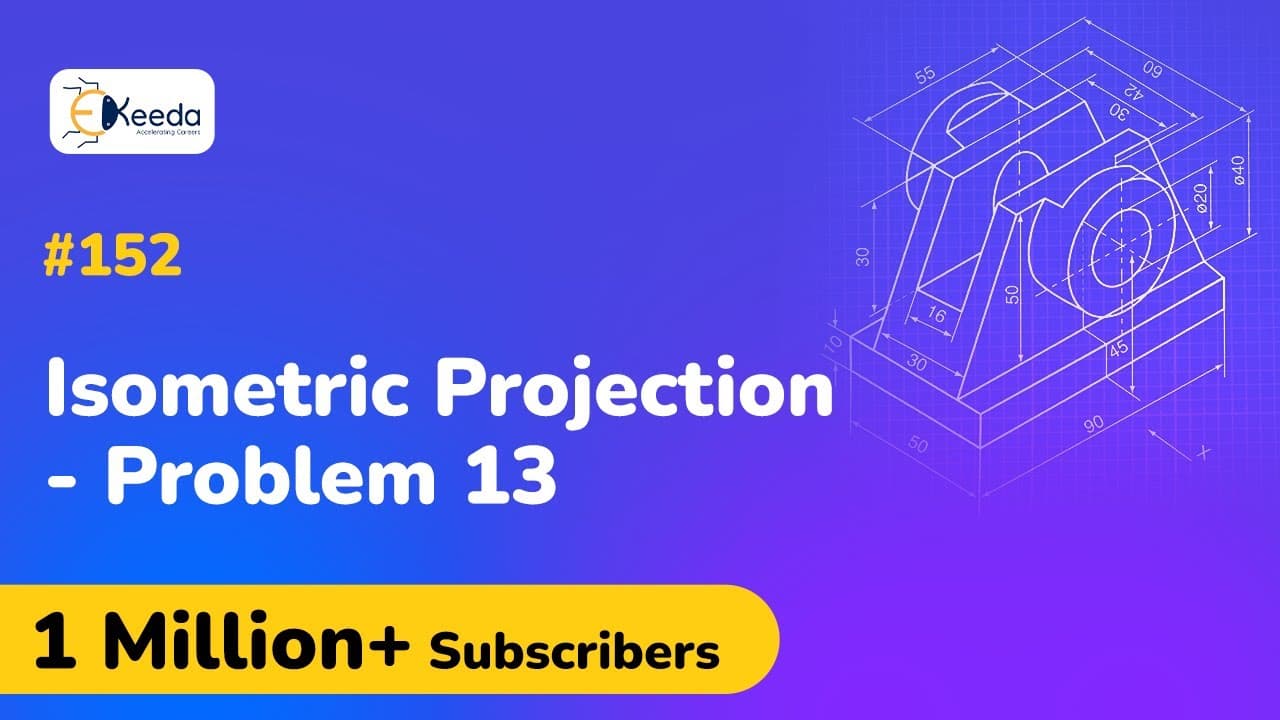
Problem No 13 on Isometric Projection
173 views
•
April 1, 2022
by
Ekeeda
YouTube video player
Problem No 13 on Isometric Projection

TL;DR

This video provides a step-by-step solution to a problem on converting two views of an object into its isometric view.

Transcript

hello friends here in this video we are going to see a problem on isometric projections for that here we have a question it is given that figure below shows two views of an object draw its isometric view so this is the question in front of us now in order to convert it into isometric view here the front view and top view of the object are given and... Read More

Key Insights

  • 🫵 Isometric projections involve converting two-dimensional views of an object into a three-dimensional representation.
  • 🫵 Total length, height, and width are determined by adding the corresponding measurements from the front and top views.
  • 📽️ Angled surfaces in isometric projections are drawn separately and then projected onto the main drawing.

Install to Summarize YouTube Videos and Get Transcripts

Explore YouTube Video Summarizer or Get YouTube Transcript Extractor

Questions & Answers

Q: How is the total length, height, and width of the object determined in the problem?

The total length, height, and width of the object are obtained by summing the corresponding measurements from the front and top views of the object. For example, the length is determined by adding the lengths indicated in the front view and top view.

Q: How are angles measured and drawn in isometric projections?

In isometric projections, angled surfaces are not measured directly onto the diagram. Instead, these surfaces are drawn separately and then projected onto the main drawing. The angles are determined by marking the points on the separate surface and joining them with light lines.

Q: How is the rib of the object drawn?

The rib of the object is drawn by first finding the center of the width and marking the points on either side. From the center, the length of the rib is measured and connected to the points at the bottom and top of the object. Light lines are used to create the sloping surface of the rib.

Q: How are hidden lines and dimensions represented in the isometric drawing?

Hidden lines in the isometric drawing are represented by drawing light vertical or horizontal lines to indicate the presence of a surface. Dimensions are not typically included in isometric drawings, as the drawings serve to represent the object's overall shape and proportions.

Summary & Key Takeaways

  • The video discusses a problem on isometric projections and demonstrates how to convert the front view and top view of an object into its isometric view.

  • The total length, height, and width of the object are determined by adding the values from the front and top views.

  • Using various measurements and angles, the video shows how to draw the different surfaces and features of the object in its isometric view.


Read in Other Languages (beta)

English

Share This Summary 📚

Summarize YouTube Videos and Get Video Transcripts with 1-Click

Download browser extensions on:

Try YouTube Summary with ChatGPT & Claude or YouTube Transcript Generator

Explore More Summaries from Ekeeda 📚

How Does Armature Resistance Control DC Motor Speed? thumbnail
How Does Armature Resistance Control DC Motor Speed?
Ekeeda
Introduction to Forces in Space - Forces in Space - Engineering Mechanics thumbnail
Introduction to Forces in Space - Forces in Space - Engineering Mechanics
Ekeeda
Reactions of Aldehydes and Ketones thumbnail
Reactions of Aldehydes and Ketones
Ekeeda
Implement Full Adder using 1:8 DEMUX | Number System and Code | Digital Circuit Design in EXTC thumbnail
Implement Full Adder using 1:8 DEMUX | Number System and Code | Digital Circuit Design in EXTC
Ekeeda
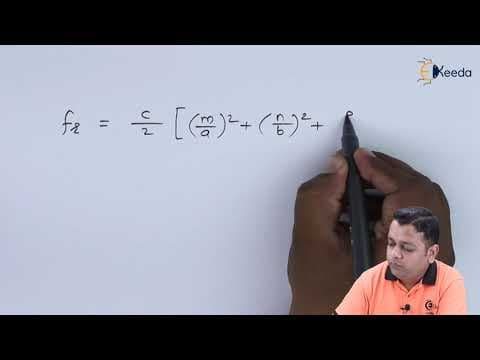
How to Calculate the Resonant Frequency of a Rectangular Cavity Resonator thumbnail
How to Calculate the Resonant Frequency of a Rectangular Cavity Resonator
Ekeeda
Carbohydrates and its Classification - Biomolecules - Chemistry Class 12 thumbnail
Carbohydrates and its Classification - Biomolecules - Chemistry Class 12
Ekeeda

Summarize YouTube Videos and Get Video Transcripts with 1-Click

Download browser extensions on:

Try YouTube Summary with ChatGPT & Claude or YouTube Transcript Generator

Apps & Extensions

  • Chrome Extension
  • Safari Extension
  • Edge Add-ons
  • Firefox Add-ons
  • iOS App
  • Android App

Key Features

  • YouTube Video Summarizer
  • Web & PDF Summarizer
  • Web & PDF Highlighter
  • Chat with PDF
  • Ask AI Clone
  • Audio Transcriber
  • Glasp Reader
  • Kindle Highlight Export
  • Idea Hatch

Integrations

  • Obsidian Plugin
  • Notion Integration
  • Pocket Integration
  • Instapaper Integration
  • Medium Integration
  • Readwise Integration
  • Snipd Integration
  • Hypothesis Integration

More Features

  • APIs
  • MCP Connector
  • Blog & Post
  • Embed Links
  • Image Highlight
  • Personality Test
  • Quote Shots

Company

  • About us
  • Blog
  • Community
  • FAQs
  • Job Board
  • Newsletter
  • Pricing
Terms

•

Privacy

•

Guidelines

© 2026 Glasp Inc. All rights reserved.