How Can Teachers Discuss Taboo Topics Like Racism with Kids?
TL;DR
Teachers can effectively discuss taboo topics like racism with kids by seizing teachable moments when they arise, creating space for open conversation. It's essential to build a common language around issues of equity, encourage questions, and prepare students with foundational concepts of fairness, allowing them to engage meaningfully. Students have the right to learn about these important issues that impact their lives and futures.
Transcript
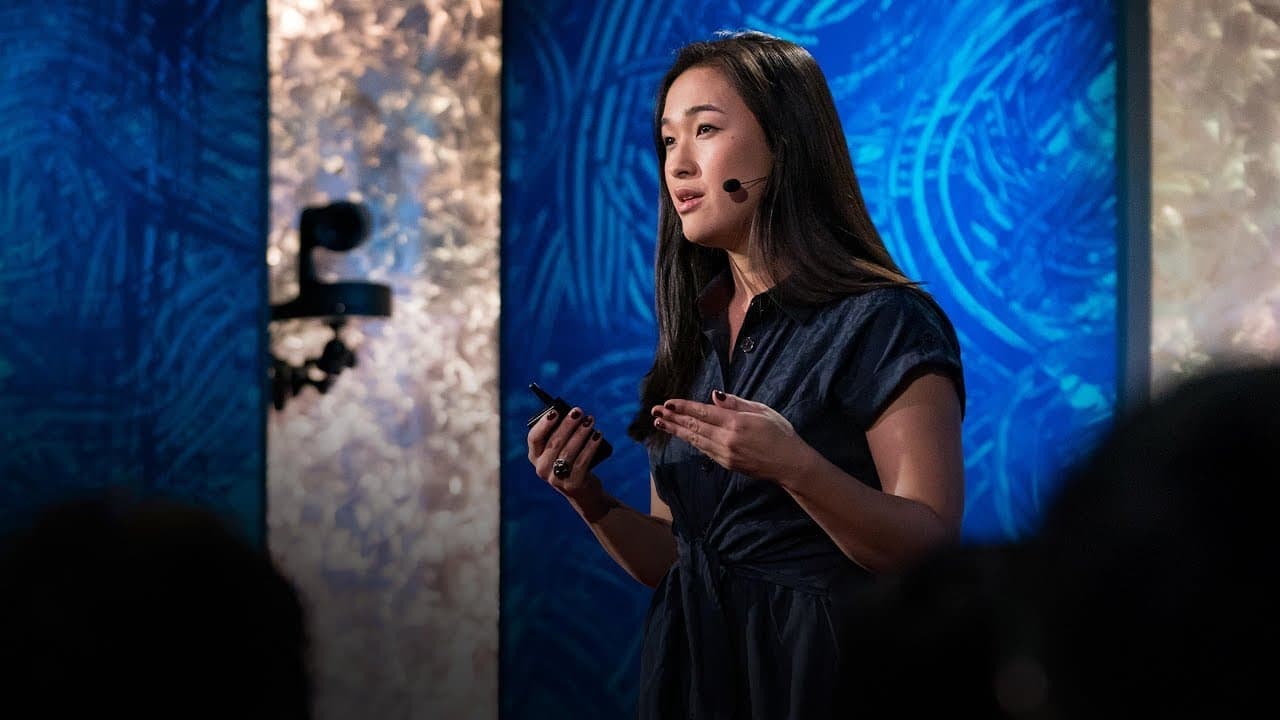
So, a few years ago, I was beginning a new unit on race with my fourth-graders. And whenever we start a new unit, I like to begin by having all the students list everything they know about it, and then we also list questions we have. And I had the type of moment that every teacher has nightmares about. One of my students had just asked the question... Read More
Key Insights
- 🌍 The teacher's decision to address the student's inappropriate comment about skin color as a teachable moment on racism demonstrates the importance of discussing and challenging biases at an early age.
- 💬 Building a common language around topics like equity is essential to having meaningful conversations about them. Destigmatizing taboo subjects and providing language and opportunities for students to engage is crucial.
- 🏫 Schools play a critical role in creating a safe and inclusive space for students to ask questions and make mistakes. However, not all students feel secure in expressing their thoughts and concerns.
- 🧠 Teaching equity is about giving students the tools and strategies to think critically and engage in meaningful discussions. Starting with foundational concepts and gradually introducing more complex topics allows students to develop their understanding.
- 👶 Young children are capable of understanding basic concepts of fairness and equality, which serves as a foundation for more nuanced discussions about race, racism, and other social issues.
- 🗣 Teachers must be willing to admit when they do not have all the answers and encourage students to seek information from other sources. This approach humanizes teachers and emphasizes the ongoing learning process.
- 🙌 Developing social and emotional intelligence, including lessons on consent, is vital for all students regardless of their demographic background. These skills should be explicitly taught, just like reading and math.
- 🔇 The deliberate avoidance of discussing topics related to equity and inclusion perpetuates silence and exclusion. Teachers and educators need to actively include diverse voices and experiences in classrooms and resources.
Install to Summarize YouTube Videos and Get Transcripts
Explore YouTube Video Summarizer or Get YouTube Transcript Extractor
Questions & Answers
Q: What was the teacher's initial reaction when Abby made her comment?
The teacher felt panicked and unsure of how to respond to Abby's comment.
Q: Why did the teacher choose to address Abby's comment instead of brushing it off or reprimanding her?
The teacher believed that this was an important teachable moment and wanted to use it as an opportunity to educate her students about racism and the importance of treating everyone with respect and kindness.
Q: How did the students initially react to Abby's comment?
Half of the students immediately started laughing while the other half yelled at Abby and called her comment racist.
Q: How did the teacher turn Abby's comment into a teachable moment?
The teacher acknowledged Abby's comment and explained that it reflected one of the reasons why racism exists. She then used the moment to discuss the importance of understanding the impact of hurtful comments and treating people with respect.
Q: How can conversations about topics like race and equity be destigmatized?
Building a common language and providing students with opportunities to freely discuss and ask questions about these topics in a safe and supportive environment can help destigmatize conversations about race and equity.
Q: How can teachers approach teaching about equity with young learners?
Teachers can start by introducing foundational concepts such as fairness, equality, consequences, and power, which even young children can understand. This lays the groundwork for more complex discussions about issues like racism as students grow older.
Q: How should teachers respond if they don't have all the answers when a student asks a question about a sensitive topic?
Teachers should admit when they don't have all the answers and encourage students to explore the topic further by seeking out other resources or expert opinions. This helps students understand that learning is a lifelong process and that even adults are still learning about issues of equity.
Q: Why is it important for schools to have conversations about equity and inclusion, even if some parents or families may not approve?
It is important for schools to have these conversations because students often have questions and need a safe space to discuss these issues. By addressing topics like race and equity, schools can help students develop a better understanding of the world and work towards creating a more inclusive and equitable society.
Summary & Key Takeaways
-
The speaker describes a teachable moment in their fourth-grade classroom when a student made a racist remark. They chose to address the comment and create a conversation about race and racism.
-
The importance of starting conversations about race and equity at a young age is emphasized. The speaker believes that children are capable of understanding complex issues and that teaching about equity should be approached like teaching literacy.
-
The speaker also discusses the challenges and fears that come with addressing taboo topics in schools, but emphasizes the importance of creating a safe and inclusive environment for students to ask questions and learn. They believe that students have the right to learn about issues of equity, as it directly affects their future.
Read in Other Languages (beta)
Share This Summary 📚
Summarize YouTube Videos and Get Video Transcripts with 1-Click
Try YouTube Summary with ChatGPT & Claude or YouTube Transcript Generator
Explore More Summaries from TED 📚





Summarize YouTube Videos and Get Video Transcripts with 1-Click
Try YouTube Summary with ChatGPT & Claude or YouTube Transcript Generator