Biology of Escapism in Teenagers | Hetal Mahajan | TEDxYouth@OFS
TL;DR
Escapism, a psychological tendency to seek relief from negative emotions through fantasy and entertainment, is a coping mechanism that can be both helpful and detrimental.
Transcript
this morning i woke up at seven not six i brushed my teeth i took a shower i got ready for school i ate some breakfast the breakfast wasn't particularly special but it definitely wasn't anything bad you know it's kind of like the morning commute where the streets weren't completely filled with traffic but they weren't completely empty either anyway... Read More
Key Insights
- 🌞 Escapism is a psychological tendency to seek distraction from negative emotions by engaging in fantasy or entertainment.
- 🎮 Escapism can resemble procrastination, but it serves as a coping mechanism to temporarily relieve stress and anxiety.
- 🧠 The limbic system, responsible for emotional processing, triggers a release of stress hormones when faced with unpleasant situations.
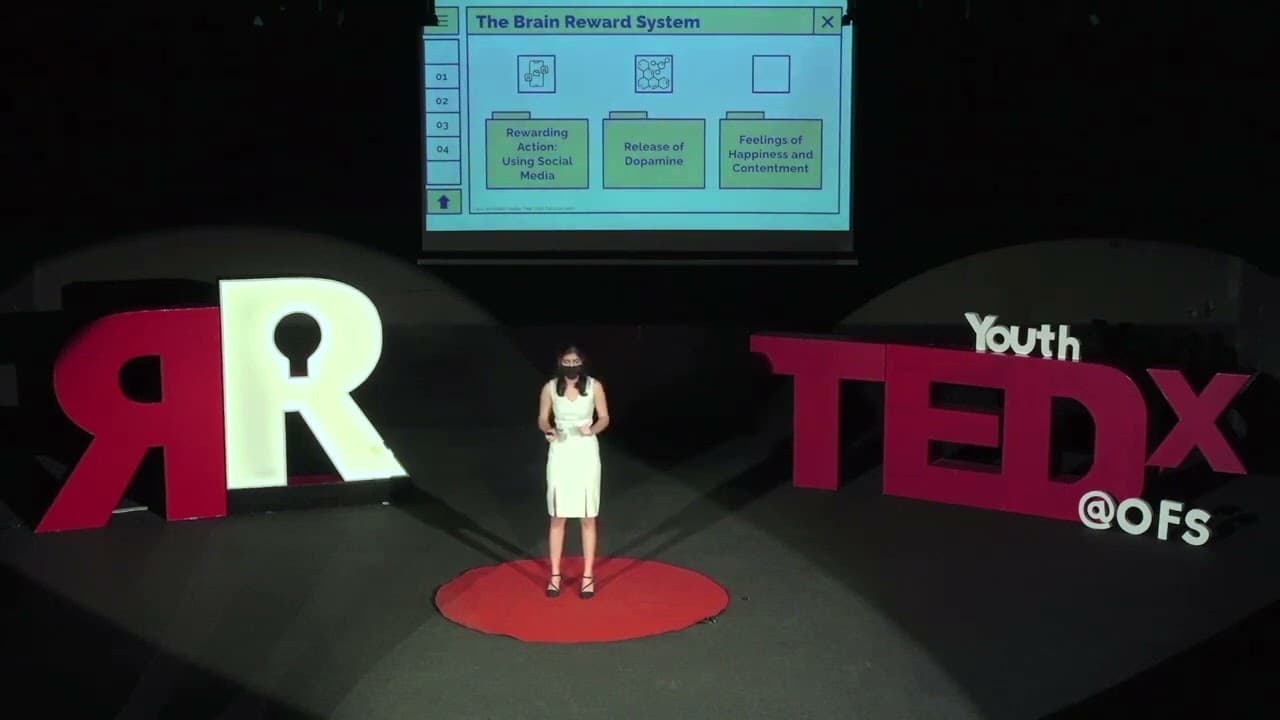
- 💡 Escapist activities trigger the brain reward pathway, releasing dopamine and reinforcing the behavior.
- 📱 Social media, reading, listening to music, and napping are common forms of escapism for teenagers.
- 💼 Escapism can have negative impacts on productivity and can create a distaste for real life.
- 🔑 Recognizing excessive escapism is crucial to maintaining a healthy balance and personal growth.
- 🚀 The future of this generation depends on whether we learn from escapism's creativity or get lost in the illusion forever.
Install to Summarize YouTube Videos and Get Transcripts
Explore YouTube Video Summarizer or Get YouTube Transcript Extractor
Questions & Answers
Q: How does escapism differ from procrastination?
Escapism and procrastination share similarities in seeking relief from unpleasant tasks, but escapism involves engaging in fantasy or entertainment to alleviate negative emotions, whereas procrastination involves postponing or avoiding tasks altogether. Escapism is often a temporary retreat, while procrastination is a perpetual avoidance of responsibilities.
Q: Why is escapism considered a coping mechanism?
Escapism provides temporary relief from stressful or negative situations, allowing individuals to distance themselves mentally and emotionally. This coping mechanism can provide relaxation, hope, and distraction, helping individuals better respond to and understand their challenges.
Q: What are some common escapist activities among teenagers?
According to a survey, excessive use of social media, binge-watching shows, and excessive napping were common escapist activities among teenagers. These activities provide an instant relief from reality but may hinder productivity and create a distaste for real life.
Q: Can escapism become addictive?
While escapism itself is not inherently addictive, tendencies towards excessive escapism can contribute to addictive behaviors, such as gaming and internet addictions. Recognizing and regulating one's escapist activities are crucial in maintaining a healthy balance between distraction and personal growth.
Q: How does escapism impact personal growth and relationships?
Excessive or unnecessary indulgence in escapist activities can hinder personal growth by distancing individuals from their responsibilities, loved ones, and opportunities for self-improvement. Maintaining a balance between escapism and reality is essential for staying anchored to one's own life and moving forward.
Q: Can escapism alleviate physical pain?
Yes, escapism has the power to alleviate the physical sensation of pain. Engaging in storytelling or hobbies during times of extreme psychological distress can provide hope and relaxation, helping individuals cope with pain and move forward.
Q: In the age of easily accessible entertainment, how can we avoid getting lost in escapism?
Recognizing unnecessary or excessive escapist activities is key to avoiding getting lost in escapism. By being mindful of our indulgences and staying connected to our responsibilities and personal growth, we can strike a balance between enjoying creativity and leisure and advancing ourselves.
Summary & Key Takeaways
-
Escapism is the tendency to seek distraction or relief from unpleasant realities by engaging in fantasy or seeking entertainment.
-
It is a psychological mechanism rooted in the brain's limbic system, which processes emotions and triggers the release of stress hormones.
-
While escapism can be a valuable coping tool, excessive or unnecessary indulgence in escapist activities can hinder personal growth and productivity.
Read in Other Languages (beta)
Share This Summary 📚
Summarize YouTube Videos and Get Video Transcripts with 1-Click
Try YouTube Summary with ChatGPT & Claude or YouTube Transcript Generator
Explore More Summaries from TEDx Talks 📚






Summarize YouTube Videos and Get Video Transcripts with 1-Click
Try YouTube Summary with ChatGPT & Claude or YouTube Transcript Generator