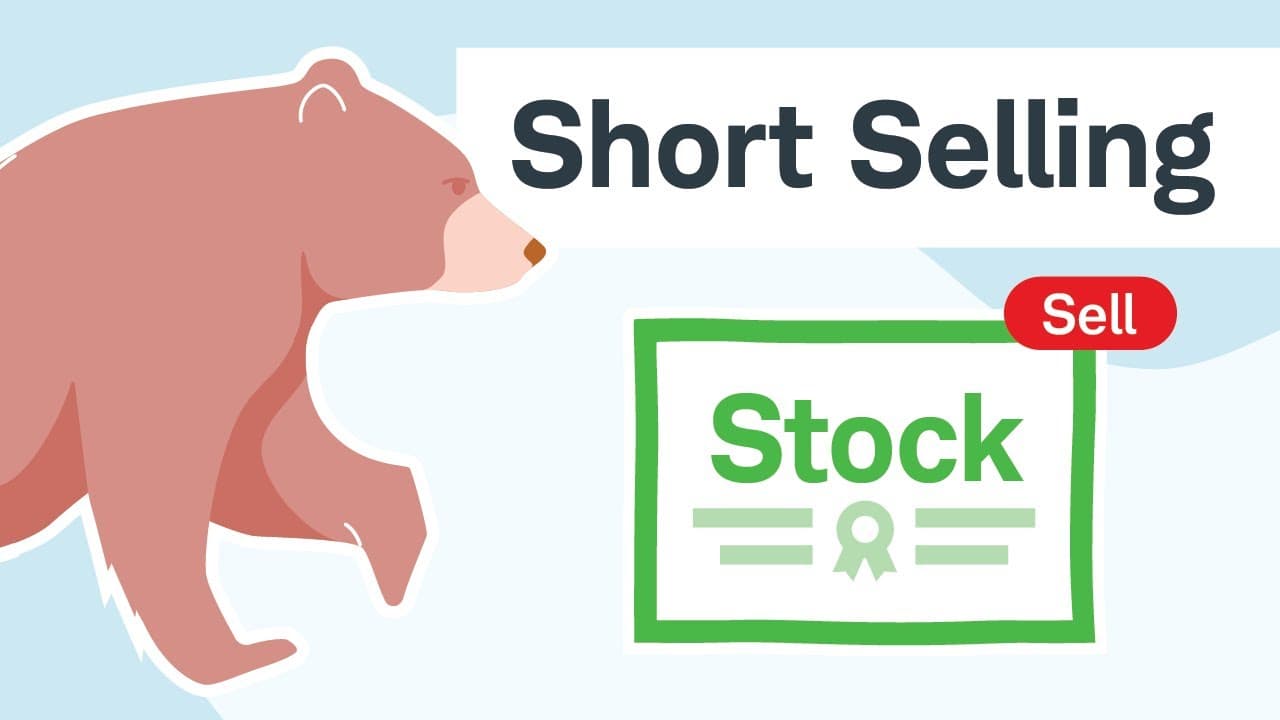
How Does Short Selling Allow Profit from Falling Stocks?
TL;DR
Short selling profits from falling stock prices by borrowing shares, selling them at a higher price, and buying them back at a lower price. However, it carries significant risks, including the potential for unlimited losses if stock prices rise. To reduce risks, traders can opt for 'easy-to-borrow' stocks and manage their margin carefully.
Transcript
Short selling, or shorting, is one way experienced traders with a margin account can attempt to profit from falling asset prices. It involves borrowing shares of a stock from your broker and selling them at one price, and then buying the shares back later at a hopefully lower price and pocketing the difference. The idea of profiting by selling some... Read More
Key Insights
- 🤪 Short selling allows traders to profit from falling stock prices, but it comes with risks, such as potential unlimited losses if the stock price goes up.
- ☄️ Shares for shorting can come from various sources, including a broker's inventory, other investors, or funds.
- 🍰 Shorting stocks classified as "easy-to-borrow" reduces the risk of shares being recalled by the lender.
- 🍰 Shorting stocks means missing out on collecting dividends and being responsible for paying dividends to the stockholder.
- 🍰 Managing margin and defining exit signals can help mitigate risks in short selling.
- ❓ Consolidating accounts can increase available margin and make it easier to manage investments.
Install to Summarize YouTube Videos and Get Transcripts
Explore YouTube Video Summarizer or Get YouTube Transcript Extractor
Questions & Answers
Q: How does short selling work?
Short selling involves borrowing shares of a stock, selling them, and buying them back at a lower price to profit from falling prices. The borrowed shares are later returned to the broker.
Q: What happens if the stock price goes up in a short sale?
If the stock price goes up, short sellers face potential losses. The higher the price goes, the more the loss increases, with the risk being technically unlimited if the stock continues to rally.
Q: Where do the shares come from for short selling?
Shares for short selling can come from a broker's inventory, other investors who have a different outlook on the stock's potential, or funds that lend out shares to generate revenue.
Q: What are the risks of short selling?
Short selling carries risks such as potential unlimited losses, margin calls if the account doesn't meet equity requirements, and the lender recalling the borrowed shares at any moment.
Summary & Key Takeaways
-
Short selling involves borrowing shares of a stock, selling them at a higher price, and buying them back at a lower price to make a profit.
-
If the stock price goes up, short sellers face potential losses, and their risk is technically unlimited.
-
Shares for short selling can come from a broker's inventory, other investors, or funds, and not all stocks are available for short selling.
Read in Other Languages (beta)
Share This Summary 📚
Summarize YouTube Videos and Get Video Transcripts with 1-Click
Try YouTube Summary with ChatGPT & Claude or YouTube Transcript Generator
Explore More Summaries from Charles Schwab 📚





Summarize YouTube Videos and Get Video Transcripts with 1-Click
Try YouTube Summary with ChatGPT & Claude or YouTube Transcript Generator