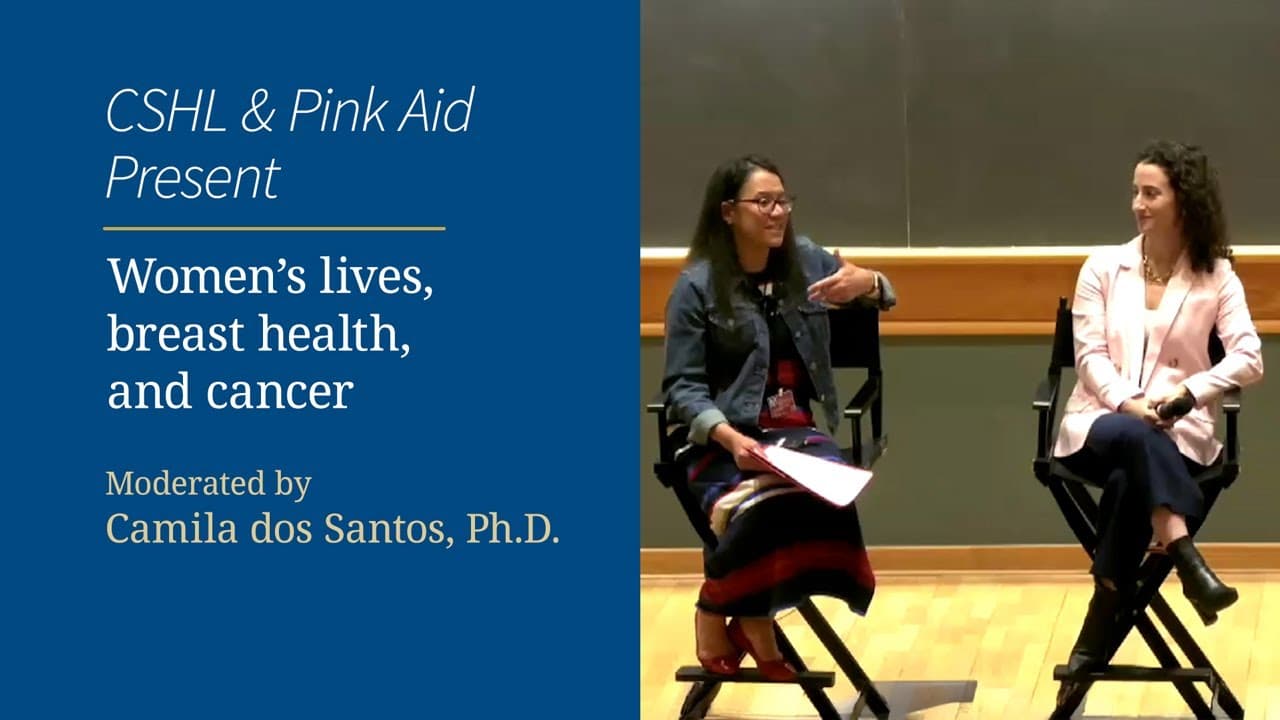
Women’s lives, breast health, and cancer
TL;DR
Panel discusses breast health, cancer risks, and preventive measures.
Transcript
[applause] The purpose of the conversations that we have here, right, is to instigate curiosity. You know, I can go into, look into epidemiology research and look for, you know, venues that we can expand what we do in terms of risk of cancer. But this interface, it has to happen, right? And the interface with everybody here too has to happen so the... Read More
Key Insights
- The discussion emphasizes the importance of curiosity and collective support in understanding cancer risks and prevention, likening it to a sisterhood.
- Collagen intake for skin health is considered safe, though there's no strong data supporting its efficacy, and it differs from collagen deposits post-UTI.
- Persistent infections, rather than antibiotics, may drive cancer development, highlighting the importance of addressing infections effectively.
- Research indicates specific breast cells, especially in those with BRCA mutations, can proliferate rapidly post-UTI, influenced by collagen presence.
- Vaginal estrogen post-menopause can significantly reduce UTI risk, though its use in breast cancer patients requires individualized consideration.
- Environmental factors, obesity, and lifestyle changes are potential contributors to rising breast cancer rates in younger populations.
- Dense breasts increase cancer risk; lifestyle changes and increased imaging surveillance are recommended for early detection.
- Genetic testing for BRCA mutations and other genetic predispositions is crucial for early detection and prevention, especially in underserved communities.
Install to Summarize YouTube Videos and Get Transcripts
Explore YouTube Video Summarizer or Get YouTube Transcript Extractor
Questions & Answers
Q: What is the panel's view on collagen intake for skin health?
The panel considers collagen intake for skin health to be safe, with minimal risk of harm. However, they note that there is no strong data supporting its efficacy in leading to positive results. The way collagen deposits in the body post-UTI differs from collagen taken in capsule form.
Q: How do persistent infections relate to cancer development?
Persistent infections, rather than antibiotics, may drive cancer development. The panel suggests that a persistent infection not properly treated by antibiotics can alter the body, increasing cancer progression. This is supported by research showing similar cancer progression in models with untreated UTIs.
Q: What role does vaginal estrogen play post-menopause?
Vaginal estrogen post-menopause can significantly reduce the risk of UTIs, with studies showing a decrease in UTIs by 50% or more. However, its use in breast cancer patients requires individualized consideration, especially for those on treatments like aromatase inhibitors, due to potential risks.
Q: What factors are contributing to rising breast cancer rates in younger people?
The panel indicates that environmental factors and lifestyle changes, such as obesity, are potential contributors to rising breast cancer rates in younger populations. They note that the risk of breast cancer under age 40 has increased in the last decade, although it remains relatively low.
Q: How does breast density affect cancer risk and detection?
Dense breasts increase cancer risk and can hinder early detection due to masking small lesions. The panel recommends increased imaging surveillance, such as mammograms and MRIs if qualified, alongside lifestyle changes like limiting alcohol and exercising to reduce breast cancer risk.
Q: Why is genetic testing for BRCA mutations important?
Genetic testing for BRCA mutations is crucial for early detection and prevention, especially in underserved communities. The panel emphasizes the need for awareness and accessibility, noting that testing is often covered by insurance and can be easily conducted through blood or spit tests.
Q: What is the panel's stance on prevention and lifestyle medicine?
The panel advocates for prevention and lifestyle medicine, highlighting the importance of exercise, diet, and stress management in reducing cancer risks. They stress the need for increased funding for prevention research and dormancy studies, urging advocacy for better allocation of resources.
Q: How does stress impact cancer progression?
Elevated cortisol levels, associated with stress, can accelerate metastatic breast cancer progression, leading to worse outcomes. The panel acknowledges the mind-body connection and emphasizes the importance of stress management techniques like meditation and exercise to mitigate cancer risks.
Summary & Key Takeaways
-
The panel discussion delves into breast health, emphasizing the need for curiosity, collective support, and addressing infections to mitigate cancer risks. Collagen intake is safe but lacks strong efficacy data. Persistent infections may drive cancer development, and specific breast cells can proliferate rapidly post-UTI.
-
Vaginal estrogen post-menopause reduces UTI risk but requires careful consideration in breast cancer patients. Rising breast cancer rates in younger populations may be linked to environmental and lifestyle factors. Dense breasts necessitate increased imaging and lifestyle changes for early cancer detection.
-
Genetic testing for BRCA mutations is vital for early detection, particularly in underserved communities. The discussion highlights the importance of prevention, lifestyle medicine, and advocating for increased funding for prevention research and dormancy studies in breast cancer.
Read in Other Languages (beta)
Share This Summary 📚
Summarize YouTube Videos and Get Video Transcripts with 1-Click
Try YouTube Summary with ChatGPT & Claude or YouTube Transcript Generator
Explore More Summaries from Cold Spring Harbor Laboratory 📚


Summarize YouTube Videos and Get Video Transcripts with 1-Click
Try YouTube Summary with ChatGPT & Claude or YouTube Transcript Generator