What Is Time Travel and Its Cultural Impact?
TL;DR
Time travel, a concept popularized by H.G. Wells' 'The Time Machine', allows exploration of time, free will, and multiple universes. The genre has evolved significantly, reflecting societal changes and scientific advancements. Its cultural significance stems from our deep-rooted desire to understand time and our relationship with it.
Transcript
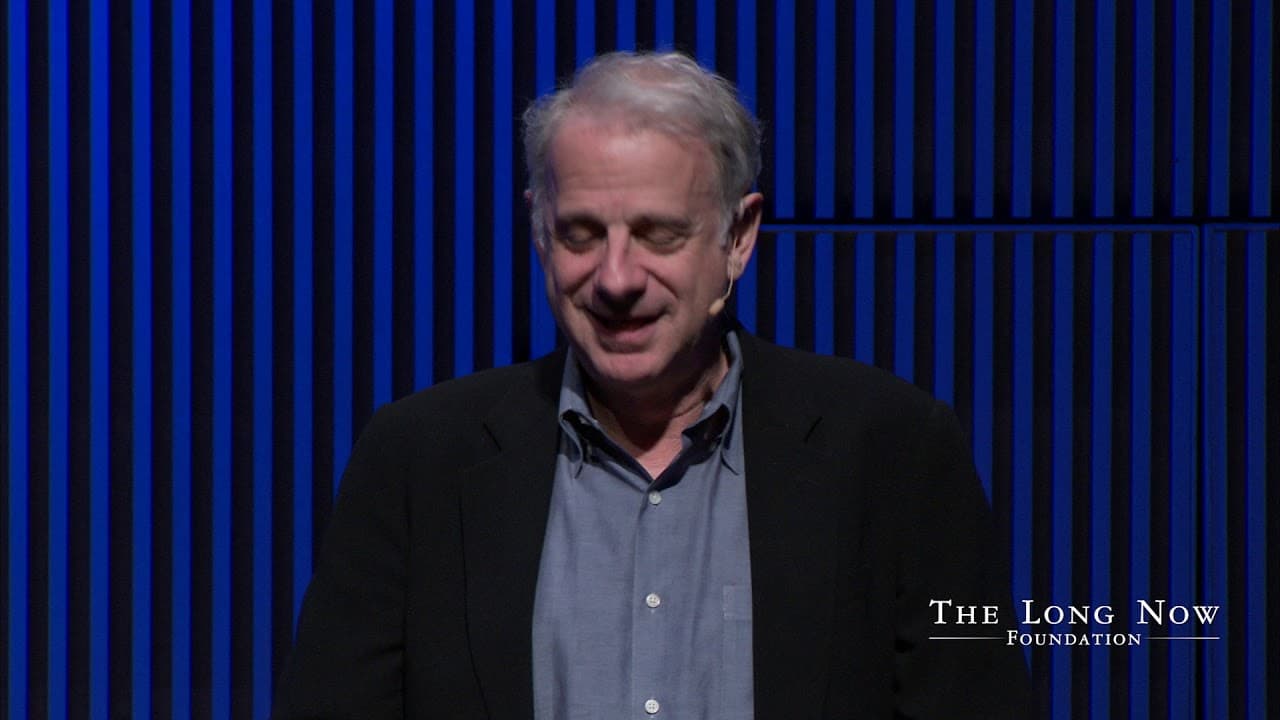
good evening I'm Stuart brand from the long now foundation and I'm dressed for time travel anybody else here dressed for time travel tonight just in case it works I want to go back to 1984 and whisper in my ear that doing something called the hole or software catalog is not going to be a good idea don't do it and they've got a great big advance and... Read More
Key Insights
- ⌛ Time travel is a popular literary and scientific theme that allows us to explore the concepts of time, free will, and multiple universes.
- 💦 H.G. Wells' "The Time Machine" is a seminal work in the time travel genre, popularizing the concept and inspiring future writers.
- ⌛ Time travel stories have evolved over time, becoming more complex and diverse, reflecting societal and scientific advancements.
Install to Summarize YouTube Videos and Get Transcripts
Explore YouTube Video Summarizer or Get YouTube Transcript Extractor
Questions & Answers
Q: Was time travel a common theme in literature and science before H.G. Wells' "The Time Machine"?
Time travel as a concept was not widely explored until Wells' groundbreaking work, which popularized the idea and paved the way for future time travel stories.
Q: Did H.G. Wells influence Albert Einstein's theory of relativity?
There is no evidence to suggest that Wells directly influenced Einstein's theory of relativity. However, both were influenced by the changing perception of time and advancements in science during the late 19th and early 20th centuries.
Q: How has the concept of time travel evolved over time?
Time travel stories have become more complex and diverse, exploring themes of paradoxes, multiple universes, and the malleability of time. Writers continually push the boundaries of the genre to reflect societal and scientific advancements.
Q: How has time travel influenced our understanding of time and the future?
Time travel stories challenge our perception of time, causing us to question our understanding of the past, present, and future. They also prompt us to consider the consequences of our actions and explore different possibilities for the future.
Summary & Key Takeaways
-
James Gleick explores the concept of time travel through the lens of literature, focusing on H.G. Wells' "The Time Machine" and other influential works.
-
He discusses the development of time travel as a genre, the role of science fiction in shaping our perception of time, and the cultural significance of time travel stories.
-
Gleick delves into the philosophical and scientific questions raised by time travel, such as the nature of time, free will, and the idea of multiple universes.
Read in Other Languages (beta)
Share This Summary 📚
Summarize YouTube Videos and Get Video Transcripts with 1-Click
Try YouTube Summary with ChatGPT & Claude or YouTube Transcript Generator
Explore More Summaries from Long Now Seminars 📚
Summarize YouTube Videos and Get Video Transcripts with 1-Click
Try YouTube Summary with ChatGPT & Claude or YouTube Transcript Generator