How to Build a Front-End dApp with Web3 and Solidity
TL;DR
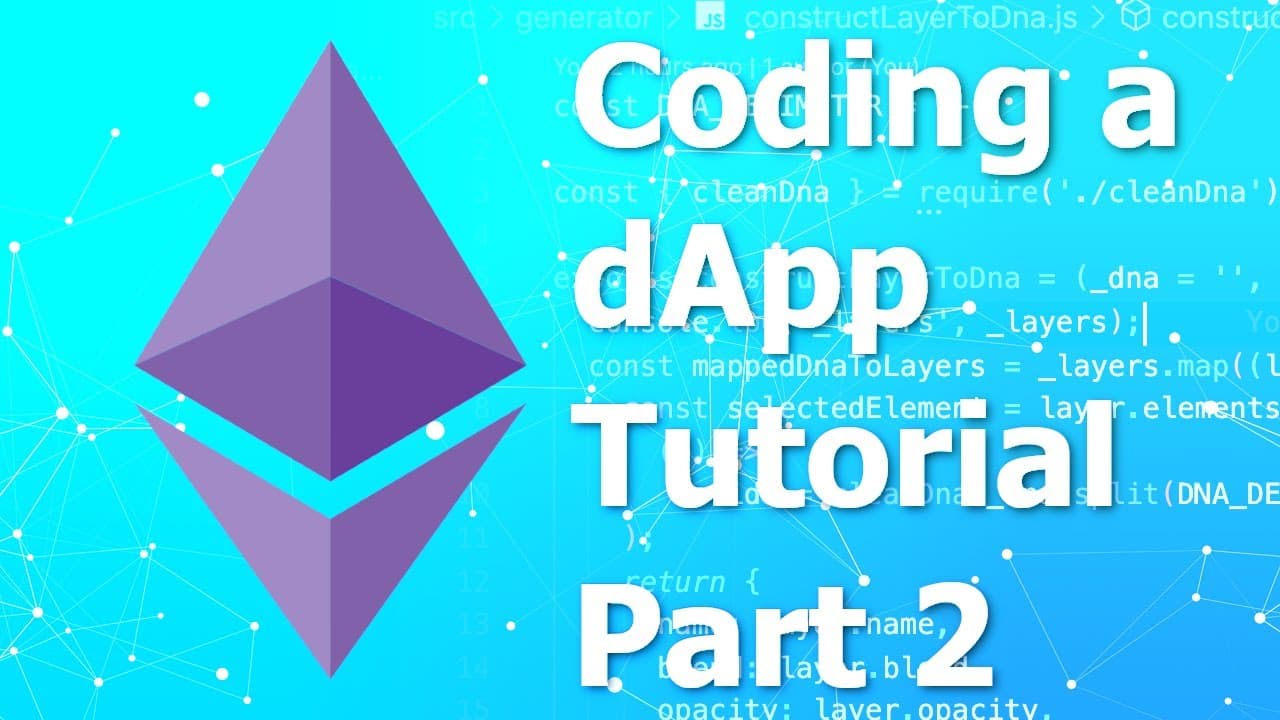
To create a front-end decentralized application (dApp) using Web3 and Solidity, set up a user interface with HTML, JavaScript, and Bootstrap, and connect it to the smart contract for ticket transactions. Use Web3 to handle user accounts and ticket purchases seamlessly through MetaMask, allowing users to view available tickets and complete buying transactions directly from the interface.
Transcript
all right so welcome back to part two of this series where i'm trying to build out a decentralized application use solidity and a couple of other tools along the way so in this part two we're gonna build out a front-end application that could potentially connect to the smart contract that we created and start calling that method that we added so if... Read More
Key Insights
- 👤 A decentralized application can provide users with transparent access to ticket purchasing, leveraging blockchain technology to ensure security and ownership verification.
- 👻 Utilizing libraries such as Web3 is essential for connecting front-end applications to the Ethereum blockchain, allowing for effective communication with smart contracts.
- 💄 Employing Parcel streamlines project setup while also managing dependencies efficiently, making it a valuable tool for JavaScript developers.
- 👤 Incorporating user interfaces with frameworks like Bootstrap can enhance visual appeal and ensure responsive design elements are seamlessly integrated.
- 🇰🇼 Understanding asynchronous programming is crucial in blockchain development, as many operations require waiting for transaction confirmations or data retrieval from the blockchain.
- 👤 The direct integration of user wallet systems like MetaMask empowers users to control their identities and transactions, simplifying processes while enhancing security.
- 💗 The tutorial reflects the growing interest and need for educational content in the realm of Web3 and decentralized application development, as many developers are just starting in this field.
Install to Summarize YouTube Videos and Get Transcripts
Explore YouTube Video Summarizer or Get YouTube Transcript Extractor
Questions & Answers
Q: What framework is used to build the front-end of the decentralized application?
The video tutorial uses vanilla JavaScript alongside Parcel for bundling and serving the application. Parcel simplifies the process of setting up a front-end environment, allowing seamless integration of various JavaScript files, HTML, and CSS stylesheets.
Q: How does the application connect to the smart contract?
The application connects to the smart contract using the Web3 library, which facilitates communication between the front-end UI and the Ethereum blockchain. By importing the contract's ABI and address, the application can invoke methods on the smart contract to query ticket data and process transactions.
Q: What is the significance of the 'buy ticket' button in the application?
The 'buy ticket' button enables users to purchase tickets directly from the interface. When clicked, it triggers a function that calls the smart contract method buyTicket, initiating a transaction on the Ethereum network and allowing users to confirm their purchase through MetaMask.
Q: How does the application update the UI after a ticket is purchased?
Upon purchase, the application refreshes the displayed tickets by invoking the refreshTickets method. This method retrieves the latest ticket states from the smart contract and updates the DOM to reflect the current availability, thereby removing purchased tickets from the display.
Q: What challenges might arise when developing this application?
One challenge is managing the asynchronous nature of blockchain interactions, which can lead to delays or complications when fetching data or updating the UI. Additionally, handling user accounts and transactions properly through wallets like MetaMask may require careful state management.
Q: What technology could enhance the application's complexity handling?
To manage increased complexity, utilizing frameworks like React or Svelte is recommended. These frameworks provide better state management and component reusability, making it easier to scale the application as additional features or functionalities are introduced.
Summary & Key Takeaways
-
The video tutorial outlines the process of creating a front-end application that connects to a smart contract to display and buy tickets.
-
It employs technologies such as Web3 and Parcel to set up a user interface that allows users to interact with the smart contract easily.
-
Various features including displaying ticket information, handling account connectivity, and enabling ticket purchases through the UI are demonstrated step by step.
Read in Other Languages (beta)
Share This Summary 📚
Summarize YouTube Videos and Get Video Transcripts with 1-Click
Try YouTube Summary with ChatGPT & Claude or YouTube Transcript Generator
Explore More Summaries from Web Dev Cody 📚
Summarize YouTube Videos and Get Video Transcripts with 1-Click
Try YouTube Summary with ChatGPT & Claude or YouTube Transcript Generator