Anthony Pym: Understanding China through translation: Peaches and plums do not speak

TL;DR
Chinese official translators produce high-quality, complex translations for the Belt and Road initiative, but their messages are not effectively reaching and engaging audiences.
Transcript
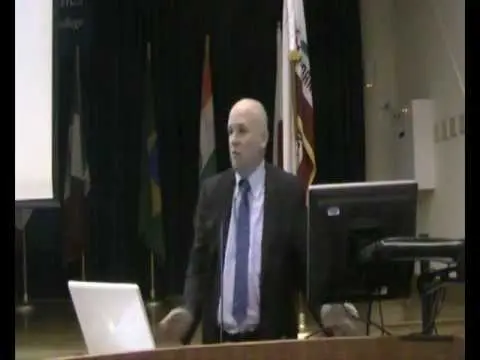
I'm sure that you're all subject to texts such as the one you can see on the screen which is a speech very well translated by the Chinese ambassador to Australia last year on the belt and Road and I'm sure you're all experts in this particular matter and I'm asking you if you are moved by this speech by this prose does it enthuse you I asked this a... Read More
Key Insights
- 🇪🇭 Chinese official translators surpass Western translators in competence and can produce complex translations for initiatives like the Belt and Road.
- 🎮 The translation process in China is highly controlled, with glossaries and coordination to ensure non-contradictory messaging.
- 📔 Alternative communication strategies, such as bedtime stories and comic book adaptations, have been used to appeal to different audiences and sectors.
- 😘 Despite the efforts to improve translations and engage audiences, the Belt and Road initiative is facing challenges in effectively winning hearts and minds.
- 🖐️ Tolerance of ambiguity plays a crucial role in translation, with readers often willing to make sense of literary allusions and cultural references.
- 🛀 Translators may overlook ambiguity and risk-taking in favor of presenting a single interpretation, potentially limiting the engagement and interest of readers.
- 🤗 Readers, especially those with limited knowledge of Chinese, are often open to investigating and construing ambiguities themselves, indicating a higher level of engagement and interest.
Install to Summarize YouTube Videos and Get Transcripts
Explore YouTube Video Summarizer or Get YouTube Transcript Extractor
Questions & Answers
Q: Why are Chinese official translators able to produce high-quality translations for the Belt and Road initiative?
Chinese official translators have a high level of English competence and undergo rigorous training to translate complex texts accurately. They have access to glossaries and follow a controlled translation process.
Q: What alternative communication strategies are being used to promote the Belt and Road initiative?
In addition to prose translations, alternative communication strategies include bedtime stories and comic book adaptations. These methods aim to appeal to different age groups and market sectors.
Q: How are translators in China trained to improve the quality of translations?
Translators in China undergo master's level training, with the option to further pursue a doctorate in translation. The aim is to produce expert-level translators who can improve the linguistic level of translations.
Q: Why is the traditional prose translation not effectively conveying the messages of the Belt and Road initiative?
Despite the quality of the translations, the traditional prose format may not be engaging enough to capture the attention and interest of audiences. Alternative communication strategies, such as audio-visual adaptations, have been more successful in this regard.
Summary & Key Takeaways
-
Chinese official translators are highly skilled and produce complex translations for the Belt and Road initiative, surpassing Western translators in competency.
-
The translation process in China is highly controlled and includes glossaries and coordination to ensure non-contradictory messaging.
-
However, despite efforts to appeal to different audiences through audio-visual adaptations, the Belt and Road initiative is not effectively winning hearts and minds.
Read in Other Languages (beta)
Share This Summary 📚
Summarize YouTube Videos and Get Video Transcripts with 1-Click
Try YouTube Summary with ChatGPT & Claude or YouTube Transcript Generator
Explore More Summaries from Anthony Pym 📚



Summarize YouTube Videos and Get Video Transcripts with 1-Click
Try YouTube Summary with ChatGPT & Claude or YouTube Transcript Generator