What Are the Key Elements of Film Suspense?
TL;DR
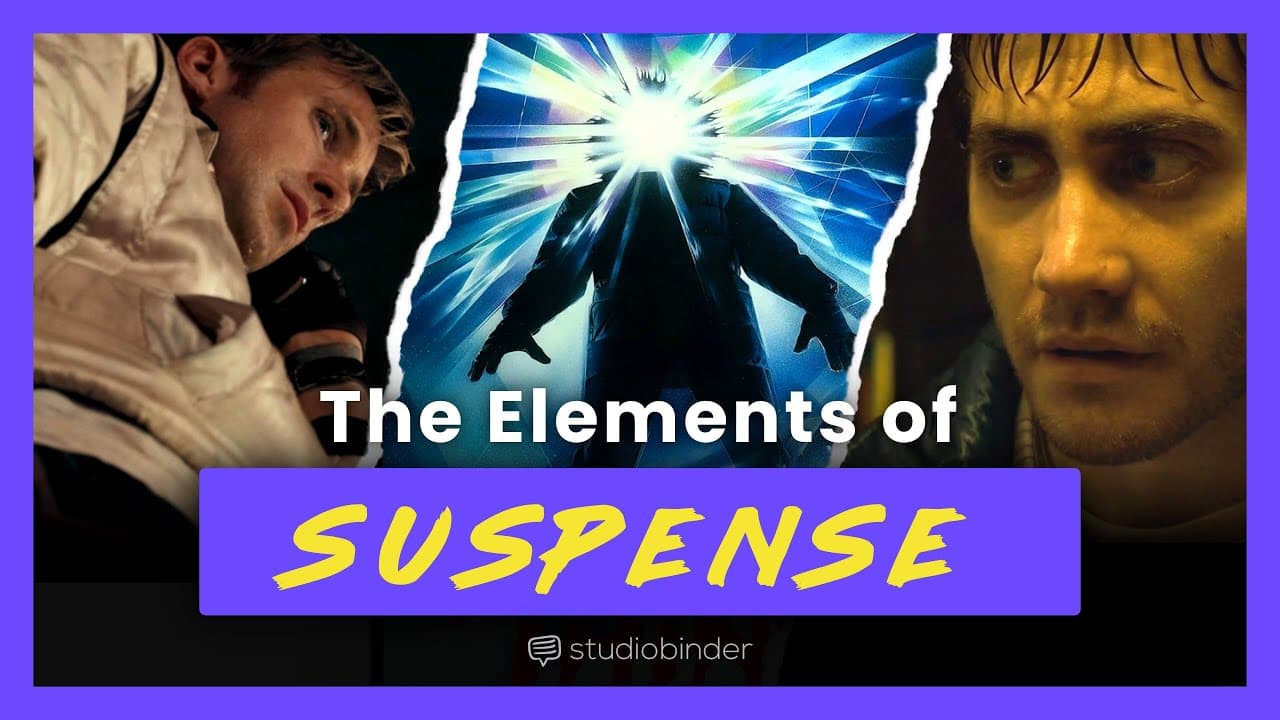
Suspense in films hinges on three key elements: time, stakes, and uncertainty. Techniques like sound design, editing, and cinematography enhance these components, creating tension and maintaining audience engagement. Films like 'Drive', 'The Thing', and 'Zodiac' effectively showcase how these elements work together to build suspenseful moments.
Transcript
What's your favorite suspense scene? That moment you hold your breath. Your muscles tighten, and you can barely look at the screen. "- Tell me! Tell me! Tell me!" - In this video, we're going to break down some fantastic suspenseful moments to see how these filmmakers can put us on the edge of our seats with sound,... Read More
Key Insights
- Suspense is crafted through a balance of time, stakes, and uncertainty, which are often established in the screenplay but elevated through sound, editing, and cinematography.
- Sound design can create suspense by using silence or minimal sound, as seen in 'Drive', where the lack of sound during a robbery scene heightens tension.
- Editing plays a crucial role in building suspense by controlling pacing and timing, exemplified by the blood test scene in 'The Thing', where tight close-ups and delayed outcomes increase tension.
- Cinematography contributes to suspense by using lighting, camera angles, and movement to create a sense of claustrophobia and threat, as demonstrated in the basement scene in 'Zodiac'.
- The use of minimal sound design, static camera shots, and the absence of music can enhance the suspenseful atmosphere, making the audience more engaged and anxious.
- Close-up shots are effective in maintaining tension by focusing on critical elements and characters, leaving the audience to speculate about potential threats.
- The combination of sound, editing, and cinematography can transform a simple scene into a nerve-wracking experience, as each element amplifies the suspense.
- Suspense in film relies heavily on the audience's anticipation and emotional investment, achieved through a strategic blend of filmmaking techniques.
Install to Summarize YouTube Videos and Get Transcripts
Explore YouTube Video Summarizer or Get YouTube Transcript Extractor
Questions & Answers
Q: How does sound design contribute to suspense in films?
Sound design contributes to suspense by manipulating silence or minimal sound to create tension. In 'Drive', the quietness during a robbery scene keeps the audience on edge, as the lack of sound increases uncertainty and anticipation.
Q: What role does editing play in creating suspense?
Editing plays a crucial role in creating suspense by controlling the pacing and timing of scenes. In 'The Thing', the blood test scene uses tight close-ups and delayed outcomes to maintain tension and keep viewers engaged.
Q: How is cinematography used to generate suspense?
Cinematography generates suspense through lighting, camera angles, and movement. In 'Zodiac', the basement scene uses claustrophobic framing and sinister lighting to create a sense of threat and amplify the suspense.
Q: Why is the absence of music effective in suspense scenes?
The absence of music in suspense scenes can enhance the atmosphere by making the audience more aware of subtle sounds and increasing their focus on the visual elements, leading to heightened tension and engagement.
Q: How do close-up shots contribute to suspense?
Close-up shots contribute to suspense by focusing on critical elements and characters, forcing the audience to speculate about potential threats and keeping them engaged with the unfolding tension.
Q: What is the significance of time in creating suspense?
Time is significant in creating suspense as it dictates how long the audience waits for a resolution. Delaying outcomes, as seen in 'The Thing', builds anticipation and heightens tension, making the suspense more effective.
Q: How do filmmakers balance stakes and uncertainty in suspense scenes?
Filmmakers balance stakes and uncertainty by establishing high stakes and maintaining ambiguity about outcomes. This balance keeps the audience invested and anxious about the characters' fates, enhancing the suspenseful experience.
Q: What techniques can be used to plan suspense scenes effectively?
Planning suspense scenes effectively involves using shot lists or storyboards to map out the sequence, ensuring that sound, editing, and cinematography elements work together to create the desired tension and engagement.
Summary & Key Takeaways
-
The video explores how suspense is created in films using sound, editing, and cinematography. It analyzes scenes from 'Drive', 'The Thing', and 'Zodiac' to illustrate these techniques.
-
Sound design can heighten suspense by utilizing silence or minimal sound, as seen in 'Drive', where the lack of sound during a robbery scene increases tension.
-
Editing and cinematography are essential in building suspense, with techniques like tight close-ups, delayed outcomes, and strategic lighting creating a thrilling atmosphere.
Read in Other Languages (beta)
Share This Summary 📚
Summarize YouTube Videos and Get Video Transcripts with 1-Click
Try YouTube Summary with ChatGPT & Claude or YouTube Transcript Generator
Explore More Summaries from StudioBinder 📚


Summarize YouTube Videos and Get Video Transcripts with 1-Click
Try YouTube Summary with ChatGPT & Claude or YouTube Transcript Generator