What Are the Key Techniques for Camera Movement?
TL;DR
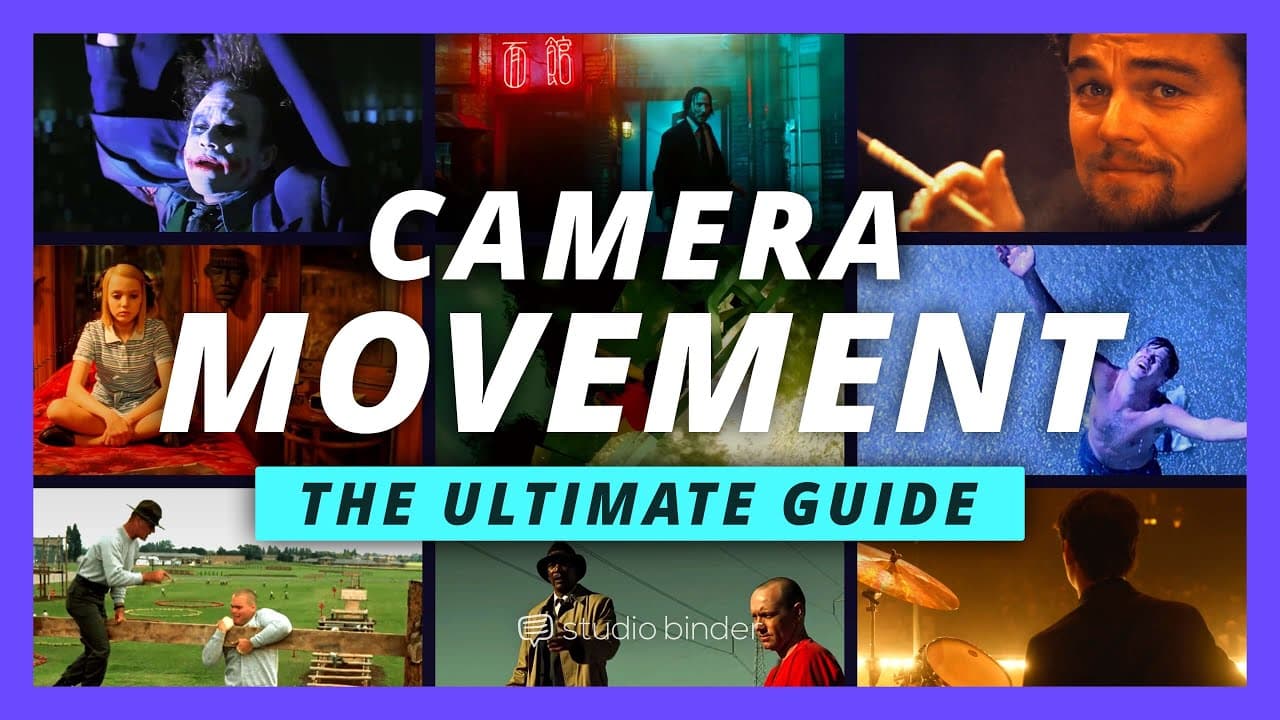
Camera movement techniques are essential for storytelling and can vary from static shots to dynamic tracking shots. Each movement serves a specific purpose, such as building tension, emphasizing characters, or creating a sense of intimacy. Understanding these movements enhances a filmmaker's ability to engage the audience and convey emotions effectively.
Transcript
films are made up of sequences sequencers are made up of scenes and scenes are made up of shots in our last episode we discussed the types of camera rigs used to move the camera but in this episode we'll be going over what those movements are and the stories they tell this is episode six of the shot list camera movement there are countless ... Read More
Key Insights
- Static shots are used to emphasize dialogue or actor performance, creating a sense of stillness or entrapment.
- Pan movements rotate the camera horizontally to follow action or reveal information, creating anticipation or energy.
- Tilt movements direct the camera vertically, often used to convey dominance, vulnerability, or reveal scale and setting.
- Push-in shots emphasize important moments or internal conflicts by moving the camera towards the subject.
- Pull-out shots de-emphasize subjects, often used to convey isolation or detachment from a scene.
- Zooms change the focal length to draw attention, creating unease or highlighting details without moving the camera.
- Dolly zooms combine physical and lens movements to create the vertigo effect, emphasizing psychological effects.
- Tracking and trucking shots follow or move parallel to subjects, adding dynamism and engagement to scenes.
Install to Summarize YouTube Videos and Get Transcripts
Explore YouTube Video Summarizer or Get YouTube Transcript Extractor
Questions & Answers
Q: What is the purpose of static shots in filmmaking?
Static shots are primarily used to focus on dialogue or highlight an actor's performance. By keeping the camera still, filmmakers can create a sense of entrapment or helplessness for characters, as seen in films like 'Dunkirk' and '12 Years a Slave.' This technique emphasizes stillness and can amplify the emotional impact of a scene.
Q: How do pan movements enhance storytelling?
Pan movements enhance storytelling by rotating the camera horizontally to follow action or reveal new information. They can build suspense with a slow pan or create energy with a whip pan. Directors like Wes Anderson and Damien Chazelle use pans to transition between scenes or highlight character relationships, adding dynamism to the narrative.
Q: What effect does a tilt movement have in a scene?
Tilt movements direct the camera upward or downward, often used to convey dominance or vulnerability. They can reveal the verticality of a setting or emphasize a character's stature. In 'Inception,' a tilt captures the awe of a dream world, while in other films, it can introduce characters or show the size and scope of a location.
Q: When is a push-in shot most effective?
A push-in shot is most effective when emphasizing a significant moment or internal conflict within a character. By moving the camera towards the subject, it signals to the audience that something important is happening. This technique is used in 'The Godfather' to heighten tension as Michael Corleone makes a life-changing decision.
Q: What is the purpose of a pull-out shot?
A pull-out shot serves to de-emphasize the subject, often conveying isolation or detachment from a scene. As the camera moves away, it can reveal the broader context or setting, creating a sense of abandonment or helplessness, as seen in films like 'Joker' where it highlights the character's vulnerability.
Q: How do zoom shots differ from other camera movements?
Zoom shots differ as they involve changing the focal length of the lens rather than physically moving the camera. This creates a unique effect since it has no equivalent in human experience. Zooms can draw attention to details or create unease, often used in horror films to build tension or highlight character descent into madness.
Q: What is the dolly zoom effect and its significance?
The dolly zoom effect combines dolly movement with a lens zoom to create the vertigo effect, named after Hitchcock's film. It compresses or stretches the background around the subject, emphasizing psychological effects. This technique is versatile, used to portray internal conflict or highlight relationships, as seen in 'Raging Bull' and 'Bohemian Rhapsody.'
Q: How do tracking shots contribute to a film's narrative?
Tracking shots contribute by physically moving the camera with the subject, immersing the audience in the scene. They generate curiosity about the character's destination and actions. Used effectively in films like 'Three Billboards Outside Ebbing, Missouri,' tracking shots build tension and draw attention to specific actions, enhancing the narrative's engagement.
Summary & Key Takeaways
-
The video explores various camera movement techniques, explaining their storytelling purposes and effects. Static shots are used for dialogue or to trap characters. Pan and tilt movements reveal information or convey emotions like dominance or vulnerability.
-
Push-in and pull-out shots connect or disconnect the audience from characters or scenes. Zooms, while not camera movements per se, create unique effects by changing focal lengths. Dolly zooms combine movements for dramatic psychological effects.
-
Tracking, trucking, arc, and boom shots add dynamism by following subjects or revealing settings. Random movement creates a documentary feel. The video emphasizes intentional camera movement to enhance storytelling.
Read in Other Languages (beta)
Share This Summary 📚
Summarize YouTube Videos and Get Video Transcripts with 1-Click
Try YouTube Summary with ChatGPT & Claude or YouTube Transcript Generator
Explore More Summaries from StudioBinder 📚
![How to Shoot the Best Fight Scenes [Sherlock Holmes Analysis] #fightscenes thumbnail](/_next/image?url=https%3A%2F%2Fi.ytimg.com%2Fvi%2FKjSAbumJXcw%2Fhqdefault.jpg&w=750&q=75)
Summarize YouTube Videos and Get Video Transcripts with 1-Click
Try YouTube Summary with ChatGPT & Claude or YouTube Transcript Generator