Lyme disease is spreading. Blame ticks — and climate change
TL;DR
Climate change is increasing Lyme disease cases due to tick proliferation.
Transcript
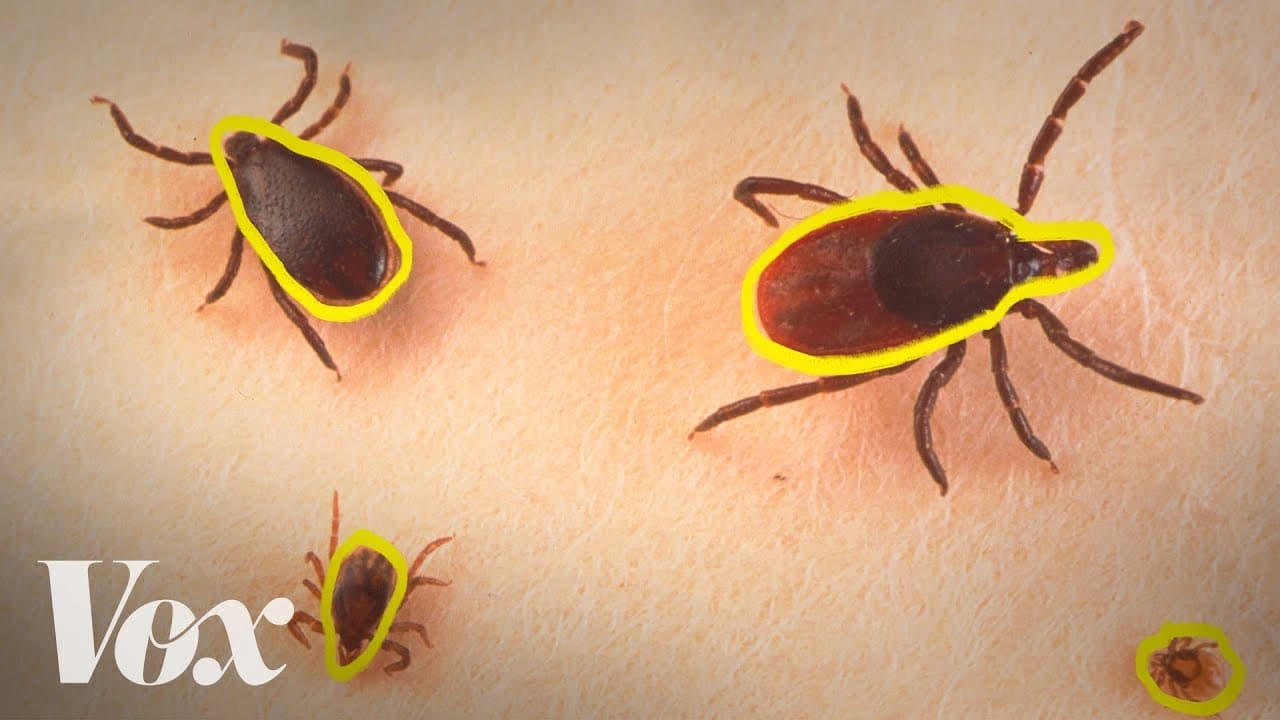
Hiking has so many benefits. It’s healthy and fun, everyone’s doing it on Instagram, and it’s the perfect time to snap some aggressively enthusiastic nature pics for your Tinder profile. But, before you rush into the woods with a selfie-stick or hang out in the fields you need to be aware of these little bastards. Tickborne diseases are on the rise... Read More
Key Insights
- Climate change is a significant factor in the increase of Lyme disease cases, as warmer winters allow ticks to survive and reproduce more effectively.
- Lyme disease is the most common vector-borne disease in the US, with symptoms ranging from fever and fatigue to more severe complications if untreated.
- Ticks primarily transmit Lyme disease by feeding on infected animals like mice and deer, then latching onto humans in wooded areas.
- Preventive measures against tick bites include using insect repellents, wearing protective clothing, and performing thorough tick checks after outdoor activities.
- The geographic spread of Lyme disease is expanding, with a notable concentration of cases in the Northeast and Midwest regions of the US.
- Human activities, such as suburban expansion and changes in land use, increase exposure to tick habitats, contributing to the rise in Lyme disease cases.
- The abundance of acorns has led to increased mouse populations, providing more hosts for Lyme-infected ticks, further exacerbating the spread of the disease.
- Prompt removal of ticks and monitoring for symptoms are crucial steps in reducing the risk of Lyme disease transmission and complications.
Install to Summarize YouTube Videos and Get Transcripts
Explore YouTube Video Summarizer or Get YouTube Transcript Extractor
Questions & Answers
Q: How does climate change affect Lyme disease spread?
Climate change contributes to the spread of Lyme disease by creating warmer winters, which allow ticks to survive and reproduce at higher rates. This results in an increased tick population, expanding their geographical reach, particularly in regions that were previously too cold for tick habitation.
Q: What are the primary symptoms of Lyme disease?
Lyme disease symptoms vary by stage but commonly include fever, headache, fatigue, muscle and joint aches, and the characteristic bulls-eye rash. If untreated, the disease can progress to affect the heart and brain, leading to more severe health complications.
Q: What preventive measures can reduce the risk of Lyme disease?
To reduce the risk of Lyme disease, individuals should use insect repellents containing DEET or picaridin, wear light-colored and protective clothing, and perform thorough tick checks after outdoor activities. Promptly removing ticks with tweezers and monitoring for symptoms are also crucial preventive steps.
Q: Why are Lyme disease cases concentrated in the Northeast and Midwest US?
Lyme disease cases are concentrated in the Northeast and Midwest due to environmental factors like warmer climates, increased deer populations, and suburban expansion. These regions provide favorable conditions for tick survival and reproduction, leading to a higher prevalence of the disease.
Q: How does the abundance of acorns affect Lyme disease spread?
An abundance of acorns leads to increased mouse populations, which serve as hosts for Lyme-infected ticks. More mice mean more opportunities for ticks to feed and become carriers of the bacteria, thereby increasing the potential for human exposure and the spread of Lyme disease.
Q: What role do human activities play in Lyme disease prevalence?
Human activities, such as suburban expansion and land use changes, increase exposure to tick habitats. These activities, combined with environmental changes like reforestation, provide more opportunities for ticks to thrive and come into contact with humans, thereby increasing Lyme disease prevalence.
Q: How important is early detection in Lyme disease treatment?
Early detection of Lyme disease is crucial for effective treatment. Antibiotics can successfully treat the disease if caught early, but if left untreated, Lyme disease can spread to other parts of the body, leading to more severe health issues. Monitoring for symptoms and prompt tick removal are key.
Q: What are the challenges in diagnosing Lyme disease?
Diagnosing Lyme disease can be challenging due to its varied symptoms, which often mimic other illnesses. The absence of a definitive test and the potential for symptoms to persist even after treatment add to the complexity. Awareness and vigilance in recognizing symptoms are vital for timely diagnosis.
Summary & Key Takeaways
-
Lyme disease cases are rising in the US due to climate change, which enables ticks to thrive in warmer winters and reproduce more rapidly. This vector-borne disease is transmitted by ticks feeding on infected animals and then humans, causing symptoms that range from mild to severe if untreated.
-
Preventative strategies are essential to avoid tick bites and Lyme disease, including using insect repellents, wearing protective clothing, and conducting thorough body checks after outdoor activities. Early detection and removal of ticks can significantly reduce the risk of infection and subsequent medical complications.
-
The spread of Lyme disease is most concentrated in the Northeast and Midwest US, influenced by factors such as climate change, increased deer populations, and suburban expansion. Human activities and environmental changes contribute to greater exposure to ticks and the bacteria they carry.
Read in Other Languages (beta)
Share This Summary 📚
Summarize YouTube Videos and Get Video Transcripts with 1-Click
Try YouTube Summary with ChatGPT & Claude or YouTube Transcript Generator
Explore More Summaries from Vox 📚




Summarize YouTube Videos and Get Video Transcripts with 1-Click
Try YouTube Summary with ChatGPT & Claude or YouTube Transcript Generator