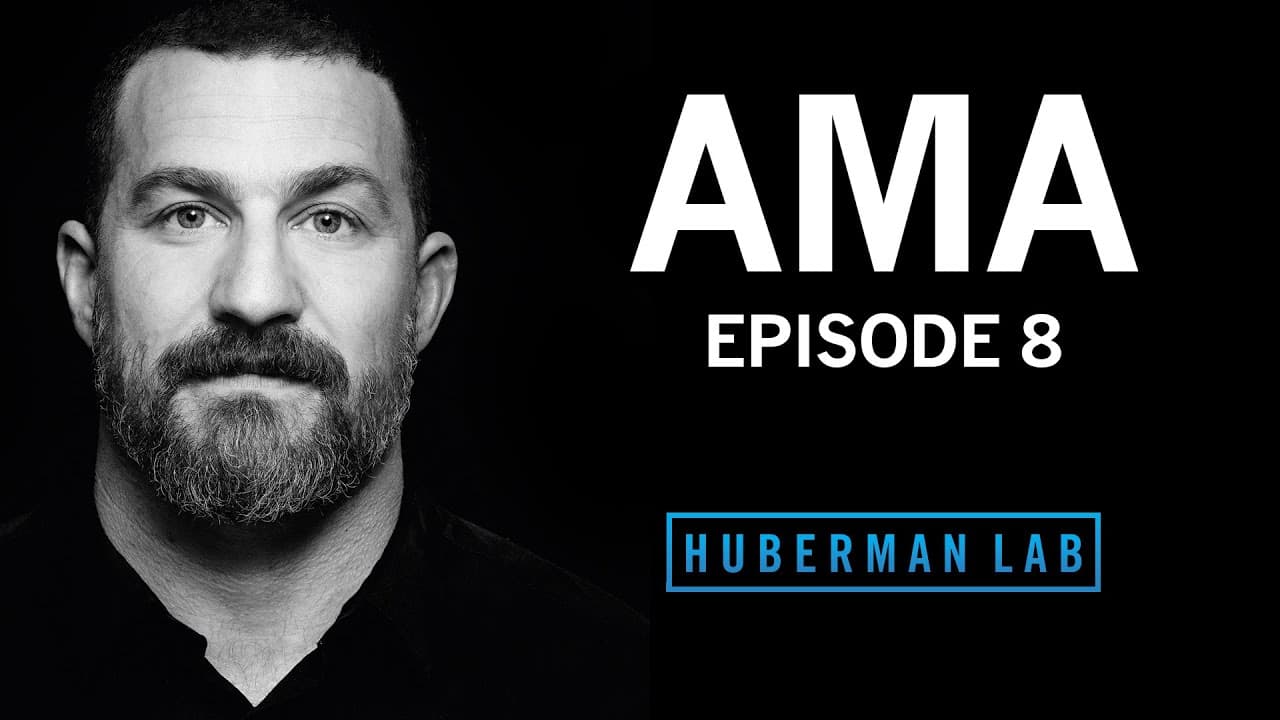
AMA #8: Balancing Caffeine, Decision Fatigue & Social Isolation
TL;DR
This podcast episode discusses the benefits and drawbacks of daily caffeine consumption, emphasizing the importance of mindful intake and avoiding caffeine close to bedtime.
Transcript
ANDREW HUBERMAN: Welcome to the Huberman Lab podcast, where we discuss science and science-based tools for everyday life. [MUSIC PLAYING] I'm Andrew Huberman, and I'm a professor of neurobiology and ophthalmology at Stanford School of Medicine. Today is an Ask Me Anything episode, or AMA. This is part of our premium subscriber channel. Our premium ... Read More
Key Insights
- 🙌 The Huberman Lab podcast is a platform that discusses science and science-based tools for everyday life, with a focus on mental health, physical health, and performance.
- 💰 The premium subscriber channel was created to provide support for the standard podcast and to generate funding for research on human beings.
- 🦾 The Tiny Foundation matches every dollar generated by the premium channel, allowing for double the funding for studies on mental health, physical health, and human performance.
- ☕ Caffeine consumption is generally safe for most adults, as long as it does not induce anxiety, disrupt sleep, or lead to panic attacks.
- 💤 It is important to avoid consuming caffeine within 8 to 12 hours prior to bedtime in order to ensure a good night's sleep and maintain the proper architecture of sleep.
- 🌍 Caffeine is the most popular drug worldwide, with an estimated 90% of adults consuming a caffeinated beverage every day.
- ⚕️ Daily caffeine consumption does not lead to significant improvements in cognitive or physical abilities, as most people use it to feel "normal" and maintain baseline functioning.
- ♀️ Caffeine consumption should be limited for children and adolescents, as the developing brain may be more sensitive to its effects.
- 🚫 Overconsumption of caffeine can lead to negative effects such as poor sleep quality, lack of appetite, anxiety, and lethargy. Gradually reducing caffeine intake and taking breaks can help mitigate these symptoms.
Install to Summarize YouTube Videos and Get Transcripts
Explore YouTube Video Summarizer or Get YouTube Transcript Extractor
Questions & Answers
Q: Is daily caffeine consumption harmful for adults?
Daily caffeine consumption is generally not harmful for most adults, as long as it does not cause anxiety and disrupt sleep patterns.
Q: What is the recommended timing for consuming caffeine?
It is recommended to avoid caffeine within 8 to 12 hours before bedtime to ensure the quality of sleep is not affected.
Q: Are there any benefits to daily caffeine consumption?
Daily caffeine consumption can improve focus, energy levels, and cognitive abilities for individuals who are not regular caffeine users or have abstained from caffeine for a period of time.
Q: Can children and adolescents consume caffeine?
It is best for children aged 14 and younger to avoid caffeine consumption due to the developing brain. Adolescents and teens can consume caffeine in moderation, but it is still advisable to limit intake.
Q: How can one reduce caffeine intake without experiencing withdrawal symptoms?
Gradually reducing caffeine intake by cutting it in half for a few days and then taking a couple of days off can help minimize withdrawal symptoms.
Q: Can caffeine enhance cognitive and physical abilities above one's baseline?
Daily caffeine consumption is unlikely to enhance cognitive and physical abilities above one's baseline unless one abstains from caffeine for a period of time or is not a regular caffeine consumer.
Q: What are the potential side effects of excessive caffeine consumption?
Excessive caffeine consumption can lead to poor sleep quality, anxiety, lack of appetite, and other negative effects on mental and physical well-being.
Q: Are there any potential risks associated with consuming energy drinks?
Energy drinks containing high levels of caffeine and other ingredients can pose risks, particularly for adolescents and young adults. It is advisable to be mindful of their consumption and opt for cleaner sources of caffeine, such as coffee or tea.
Summary & Key Takeaways
-
Daily caffeine consumption is generally safe for most adults, as long as it does not induce anxiety or disrupt sleep.
-
The amount of caffeine consumed is crucial, especially avoiding high intake close to bedtime, which can disrupt sleep quality.
-
Some individuals may experience negative side effects from excessive caffeine intake, such as poor sleep, lack of appetite, and anxiety.
Read in Other Languages (beta)
Share This Summary 📚
Summarize YouTube Videos and Get Video Transcripts with 1-Click
Try YouTube Summary with ChatGPT & Claude or YouTube Transcript Generator
Explore More Summaries from Andrew Huberman 📚






Summarize YouTube Videos and Get Video Transcripts with 1-Click
Try YouTube Summary with ChatGPT & Claude or YouTube Transcript Generator