How Can Collaborative Research Find a Cure for NGLY1 Deficiency?

TL;DR
Collaborative research is essential to finding a cure for NGLY1 deficiency, a rare genetic disorder. By assembling a world-class team of scientists and fostering partnerships, significant progress can be made in understanding and developing treatment for this ultra-rare disease. Engaging patients and parents as active collaborators further enhances the research process.
Transcript
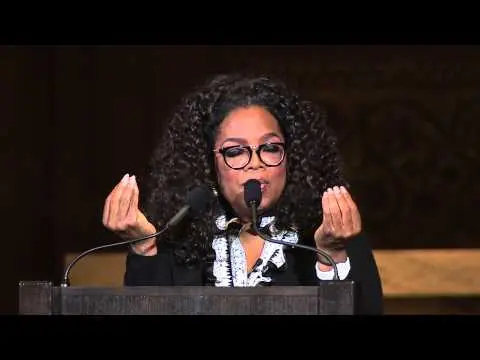
And now we're going to have four shorter presentations by four other outstanding speakers. And the first one I'm going to invite on stage is Matt Wilsey. And Matt is an entrepreneur and investor and adviser. He has been an amazingly strong advocate and supporter of medical research, drug discovery, and the development of novel genomic approaches fo... Read More
Key Insights
- 👨🔬 Rare genetic disorders like NGLY1 deficiency require collaboration across institutions and disciplines to accelerate research.
- 😷 Building an ecosystem of the best medical minds is crucial for tackling ultra-rare diseases with limited resources.
- 🖐️ Patients and parents play a vital role in research and should be treated as partners in finding a cure.
- 👨🔬 Collaboration should extend beyond the immediate research community and include industry and governmental agencies.
- 👨💼 A business approach with clear objectives and milestones can help maintain focus and accelerate progress in rare disease research.
- 🤗 Transparency, sharing of both positive and negative results, and being open to unexpected ideas are essential for successful research.
- 🤗 The discovery of a cure for rare diseases like NGLY1 deficiency requires open collaboration, collective expertise, and perseverance.
Install to Summarize YouTube Videos and Get Transcripts
Explore YouTube Video Summarizer or Get YouTube Transcript Extractor
Questions & Answers
Q: What is NGLY1 deficiency, and how does it affect patients?
NGLY1 deficiency is a rare genetic disorder that impairs metabolic functioning, causing severe problems with the central nervous system, liver, eyes, and muscle. Patients like Matt Wilsey's daughter, Grace, may appear normal but face significant health challenges.
Q: How did Matt Wilsey build a collaborative ecosystem for rare disease research?
Wilsey applied the hub and spoke system commonly seen in Silicon Valley to create an ecosystem of the best medical minds in the world. He identified subject matter experts, connected them, and expanded the team to include specialists in gene therapy, iPSCs, Drosophila, and mitochondrial diseases.
Q: What were the key factors for the successful approach in rare disease research?
The factors for success included the speed of research, independence from traditional funding sources, strong communication within the team, collaboration across institutions, a business approach with objectives and milestones, and a lean and efficient structure.
Q: How many scientists are currently working on NGLY1 deficiency research, and how does it compare to the number of patients?
Despite there being only 30 confirmed patients worldwide, there are 50 scientists from around the world dedicated to researching NGLY1 deficiency. This collaborative effort is rare for such an ultra-rare genetic disease.
Summary & Key Takeaways
-
Matt Wilsey's daughter has NGLY1 deficiency, a rare genetic disorder that affects her metabolic functioning, central nervous system, liver, eyes, and muscle.
-
Wilsey emphasizes the isolating experience of having a child with a rare disease and the need for collaboration and support from the medical and research community.
-
He developed a hub and spoke system, similar to Silicon Valley's approach, to assemble a world-class team of scientists, researchers, and experts to work on finding a cure for NGLY1 deficiency.
Read in Other Languages (beta)
Share This Summary 📚
Summarize YouTube Videos and Get Video Transcripts with 1-Click
Try YouTube Summary with ChatGPT & Claude or YouTube Transcript Generator
Explore More Summaries from Stanford 📚
Summarize YouTube Videos and Get Video Transcripts with 1-Click
Try YouTube Summary with ChatGPT & Claude or YouTube Transcript Generator