How to transform apocalypse fatigue into action on global warming | Per Espen Stoknes
TL;DR
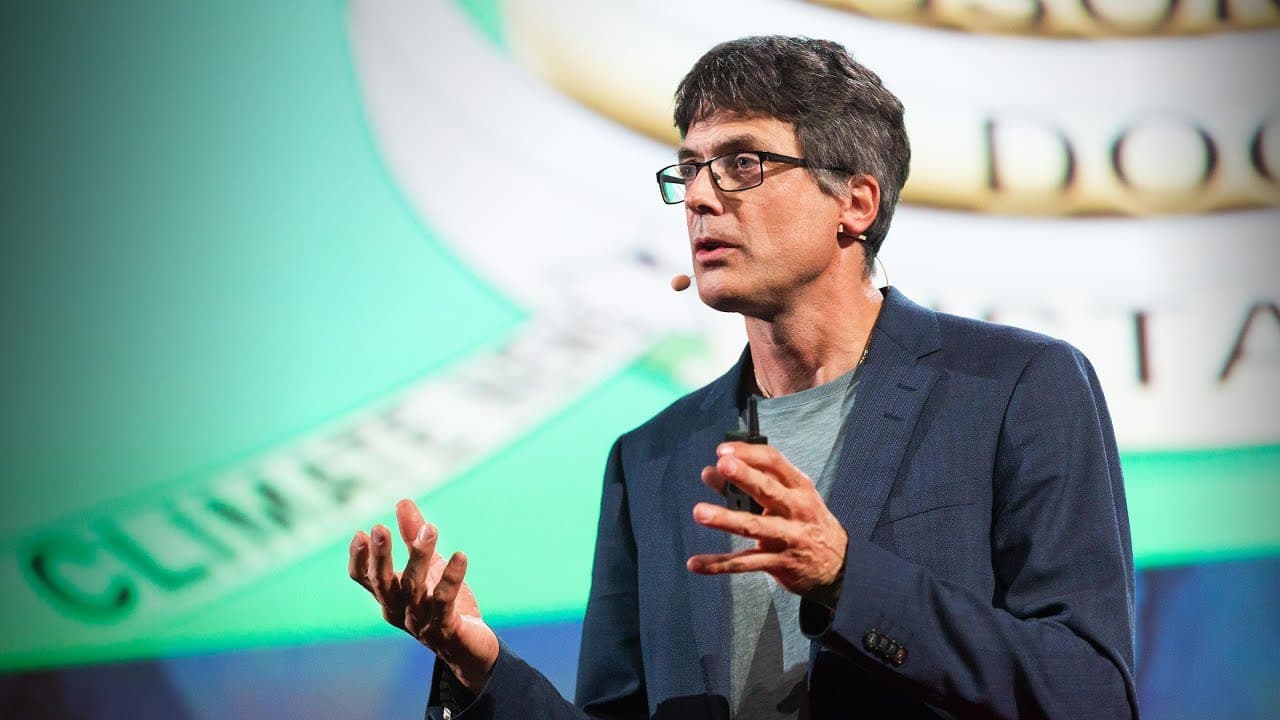
In this content, the speaker explores different ways of engaging people in solving global warming and discusses five defense mechanisms that prevent engagement.
Transcript
How do we get people engaged in solving global warming? I'd like to start with running two short experiments with you all. So your task is to notice if you feel any difference as I speak. OK? Here we go. We are seeing rising carbon dioxide levels, now about 410 ppms. To avoid the RCP 8.5 scenario, we need rapid decarbonization. The global carbon bu... Read More
Key Insights
- 🌍 The global carbon budget for meeting the two-degree target is approximately 800 gigatons.
- 🌪️ Climate change is causing increasingly severe weather events, including monster storms, killer floods, and devastating wildfires.
- 💡 We need to find new ways to engage people in solving global warming, as current methods are not effective.
- 🚦 Five inner defenses hinder engagement: distance, doom, dissonance, denial, and identity.
- 🌱 Flipping these defenses can lead to more effective climate communication.
- 🏘️ Spreading positive social norms can make climate change feel more personal and urgent.
- 🌍 Reframing climate change as an opportunity for new technology, jobs, and improved health can generate greater support.
- ️ Nudging individuals towards climate-friendly behaviors can reduce dissonance and increase engagement.
Install to Summarize YouTube Videos and Get Transcripts
Explore YouTube Video Summarizer or Get YouTube Transcript Extractor
Questions & Answers
Q: What are the rising carbon dioxide levels and why is rapid decarbonization necessary?
The rising carbon dioxide levels, currently at around 410 parts per million (ppm), are a major concern as they contribute to global warming. Rapid decarbonization is necessary to avoid the scenario of RCP 8.5 and to meet the two-degree target.
Q: Why is it important to engage people in solving global warming?
Engaging people is crucial because individual actions and support build bottom-up momentum and support for policies and solutions. While individual solutions alone are not sufficient, they help create a stronger foundation for broader action.
Q: What are the five inner defenses that prevent people from engaging in climate change?
The five inner defenses are distance, doom, dissonance, denial, and identity. These defenses arise due to factors such as perceiving climate change as distant, feeling overwhelmed by doom rhetoric, experiencing cognitive dissonance between knowledge and actions, engaging in denial to avoid fear and guilt, and letting cultural identity override scientific facts.
Q: How can these five defenses be flipped and addressed for effective climate communication?
The five defenses can be addressed with brain-friendly climate communication strategies. For distance, making climate feel near and personal through social norms and peer influence is effective. Instead of framing climate change as doom, reframing it as being supportive of human health, innovative technologies, safety, and job opportunities is more engaging. To address dissonance, nudging or simplifying climate-friendly behaviors can help reduce discomfort. Tailoring signals that visualize progress can combat denial. Finally, flipping identity by telling better stories and highlighting real change-makers can overcome cultural barriers.
Summary & Key Takeaways
-
The speaker presents two different ways of communicating about climate change: detached and fearful. He asks the audience how these ways of speaking made them feel and emphasizes the importance of engaging people in solving global warming.
-
The biggest obstacles to dealing with climate disruptions are distance, doom, dissonance, denial, and identity. These defenses prevent people from taking action and engaging with the issue.
-
The speaker suggests five evidence-based solutions for engaging people in climate action: making climate feel personal and urgent, reframing climate as being about human health and new opportunities, simplifying actions through nudging, tailoring signals to show progress, and using better stories to shift identity and inspire change.
Read in Other Languages (beta)
Share This Summary 📚
Summarize YouTube Videos and Get Video Transcripts with 1-Click
Try YouTube Summary with ChatGPT & Claude or YouTube Transcript Generator
Explore More Summaries from TED 📚

Summarize YouTube Videos and Get Video Transcripts with 1-Click
Try YouTube Summary with ChatGPT & Claude or YouTube Transcript Generator