Stock Android vs One UI: Which Is Better in 2024?
TL;DR
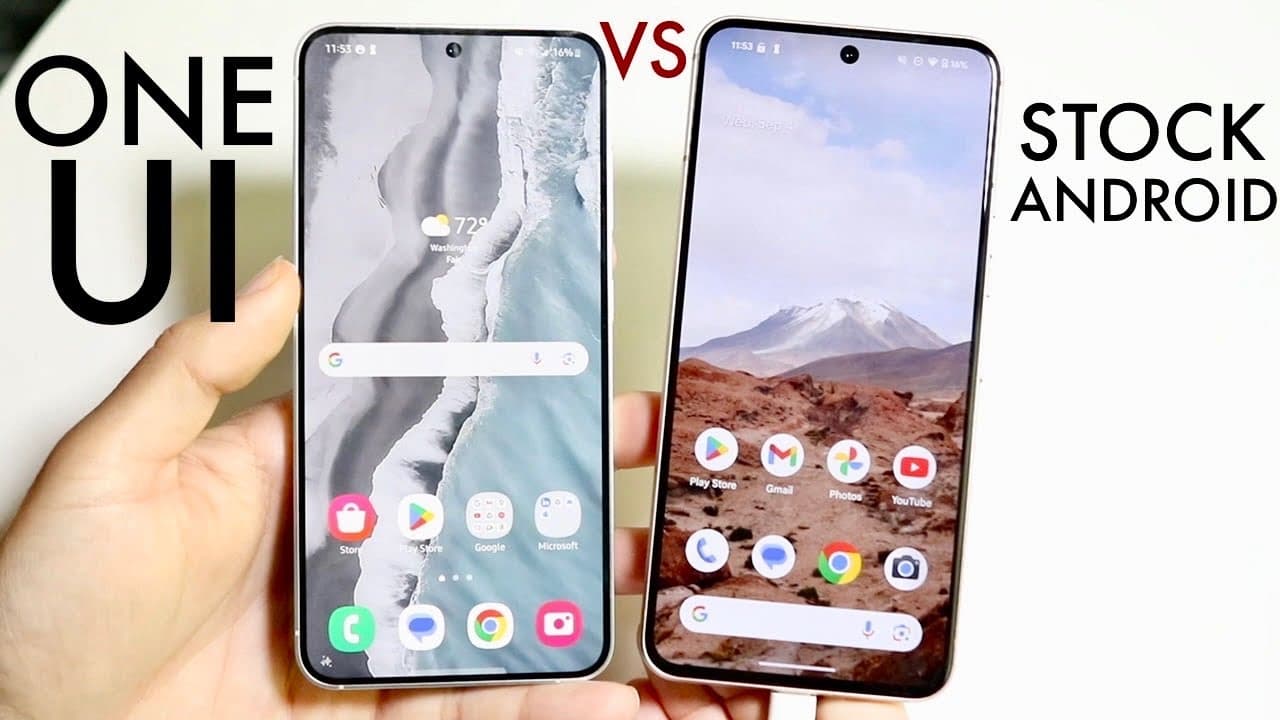
One UI offers superior customization options and enhanced performance, especially on devices with Snapdragon chipsets, while Stock Android is known for its clean aesthetics and smooth operation. Although One UI has improved significantly, Stock Android remains visually appealing, making the choice largely dependent on personal preference.
Transcript
so stock Android versus 1ui has been one of those things that we've looked at for so many years now and I will tell you between both there's lots of Pros lots and cons between both but I don't really don't know if there's one that's significantly way better than the other one now I feel like back in the day when UI actually was a big improvement fr... Read More
Key Insights
- 👤 One UI has greatly expanded its customization capabilities, providing users with numerous personalization options not previously available.
- 💄 The performance of Samsung devices with One UI is enhanced by the integration of powerful Snapdragon chipsets, making them notably speedy.
- 👏 Stock Android is praised for its visual appeal and simplicity, attracting users who prefer a minimalist interface.
- 😆 Users can modify their home screen settings on both UIs, but One UI offers more robust tools for layout management.
- 🖐️ Aesthetic preferences play a significant role in choosing between One UI and Stock Android, influencing user satisfaction.
- 👤 The rapid provision of Android updates to Stock Android users is often more reliable than for devices using customized interfaces.
- 😆 Users can enjoy a wide range of applications on both UIs, ensuring versatility and access to similar ecosystems.
Install to Summarize YouTube Videos and Get Transcripts
Explore YouTube Video Summarizer or Get YouTube Transcript Extractor
Questions & Answers
Q: How has One UI evolved from its earlier versions to the current one?
One UI has made significant improvements since its introduction, especially in customization and usability. Earlier iterations struggled with performance and user experience, but recent updates have enhanced speed, smoothness, and functionality. The ability to customize the lock screen and use various launchers has made One UI much more appealing for users seeking personalization options.
Q: What are the key advantages of using Stock Android over One UI?
Stock Android's primary advantages include its clean design and rapid updates. It generally offers a more straightforward user experience with less bloatware, which appeals to users who prefer simplicity. Additionally, Stock Android devices often receive the latest Android versions sooner than devices with custom user interfaces like One UI.
Q: In terms of performance, how do One UI phones compare to Stock Android devices?
Performance can vary based on the device's chipset rather than the operating system alone. Devices running One UI with Snapdragon chipsets usually demonstrate superior performance when compared to their Stock Android counterparts. However, both types of phones can run applications equally well, ensuring users have access to similar functionalities.
Q: What are some notable features in One UI that set it apart from Stock Android?
One UI offers a range of features that enhance user experience, including customizable control centers, extensive widget management, and specific control features like LED notifications. These enhancements provide users with more options for personalization, which many find useful for everyday tasks.
Q: How do customization options differ between One UI and Stock Android?
One UI excels in customization options, allowing for more detailed alterations, especially in home screen layout and widget placement. While Stock Android does allow customization, it is often more simplistic and less flexible compared to the myriad options available within One UI, which can cater to different user preferences effectively.
Q: How does the visual appeal of One UI compare to that of Stock Android?
While One UI provides users with numerous functional features, many argue that Stock Android offers a cleaner and more visually appealing design overall. One UI’s interface can feel cluttered with information, while Stock Android tends to prioritize aesthetics, providing a more streamlined and elegant look.
Q: Are both One UI and Stock Android compatible with the same applications?
Yes, both One UI and Stock Android are designed to run the same applications as they operate on the Android platform. This means that regardless of the user interface, users can access a wide range of applications, ensuring functionality is consistent across both systems.
Q: What customization features does One UI have that Stock Android lacks?
One UI includes advanced customization features such as the ability to change the lock screen extensively, introduce pulse notifications, and modify the always-on display options. Although Stock Android has some customization options, it typically lacks the depth and breadth seen in One UI, making it less appealing for those who enjoy tweaking their devices.
Summary & Key Takeaways
-
One UI has significantly improved over the years, especially in customization options, while Stock Android remains smooth and visually appealing.
-
In terms of performance, Samsung devices equipped with Snapdragon chipsets generally outperform Stock Android devices, though both systems offer similar features.
-
Aesthetic differences exist between the two; One UI offers more customization but Stock Android has a cleaner, more polished look.
Read in Other Languages (beta)
Share This Summary 📚
Summarize YouTube Videos and Get Video Transcripts with 1-Click
Try YouTube Summary with ChatGPT & Claude or YouTube Transcript Generator
Explore More Summaries from Simple Alpaca 📚

Summarize YouTube Videos and Get Video Transcripts with 1-Click
Try YouTube Summary with ChatGPT & Claude or YouTube Transcript Generator