How Are ASL Interpreters Making Music Accessible to the Deaf?
TL;DR
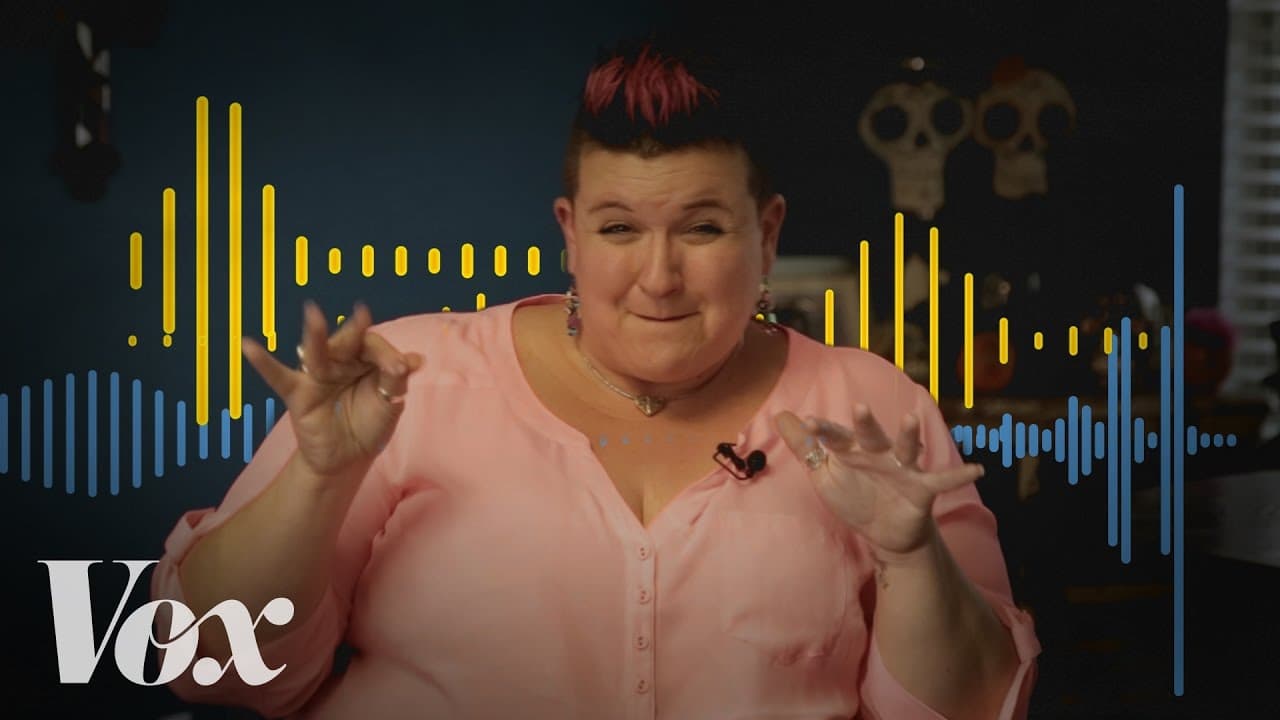
ASL interpreters like Amber Galloway Gallego are innovating ways to make music accessible to the deaf by using specialized signs and body movements to convey musical elements, not just lyrics. Their techniques include expressing vibrations, tones, and lyrical nuances to create an immersive experience for deaf audiences at concerts.
Transcript
This is Amber Galloway Gallego, she's interpreting a song for you in traditional American Sign Language. Now here's the same song but it's in a specialized version of American Sign Language just for music. You might actually recognize this riff it's from "Don't Wanna Fight" by Alabama Shakes. So which one connects you more with the music? Hi I'm Am... Read More
Key Insights
- Amber Galloway Gallego is a prominent ASL interpreter who specializes in translating music, having worked with over 400 artists including Adele and Kendrick Lamar.
- American Sign Language (ASL) was officially recognized in the 1960s and has its own grammar and syntax rules, which are crucial for accurate interpretation.
- Interpreters like Amber innovate by using specialized ASL techniques to convey the nuances of music, such as bass thickness and lyrical wordplay.
- The deaf community has diverse hearing abilities; some can feel music vibrations while others may hear certain frequencies, influencing interpretation methods.
- Traditional ASL interpretations of music often focused solely on lyrics, but modern interpreters emphasize musical elements to enhance the experience.
- Amber uses facial expressions and body movements to convey musical elements, making performances more engaging and accurate for deaf audiences.
- Interpreting complex lyrics, such as those in hip-hop, requires creativity in ASL to convey rhymes and metaphors visually.
- The Americans with Disabilities Act mandates interpreters at concerts, emphasizing the need for skilled interpreters who can convey music's emotional power.
Install to Summarize YouTube Videos and Get Transcripts
Explore YouTube Video Summarizer or Get YouTube Transcript Extractor
Questions & Answers
Q: What is Amber Galloway Gallego known for?
Amber Galloway Gallego is known for her innovative work as an ASL interpreter specializing in music. She has interpreted for over 400 artists, including big names like Adele and Kendrick Lamar. Amber's unique approach involves using facial expressions and body movements to convey the nuances of music, making it accessible and engaging for the deaf community.
Q: How does ASL differ from traditional music interpretation?
ASL differs from traditional music interpretation by focusing on visual elements rather than just the lyrics. ASL interpreters like Amber Galloway Gallego use facial expressions, body movements, and specialized signs to convey the rhythm, tone, and emotional elements of music. This approach allows deaf audiences to experience the full impact of a performance, beyond just the words.
Q: What challenges do interpreters face when translating music for the deaf?
Interpreters face several challenges when translating music for the deaf, including conveying complex lyrical content, such as rhymes and metaphors, in a visual form. They must also adapt their interpretations to suit the diverse hearing abilities within the deaf community, ensuring that both the emotional and rhythmic elements of music are accurately represented.
Q: How has ASL evolved in the context of music interpretation?
ASL has evolved in the context of music interpretation by incorporating more creative and expressive techniques. Interpreters like Amber Galloway Gallego use specialized signs, facial expressions, and body movements to convey musical elements such as bass, rhythm, and tone. This evolution allows for a more immersive and accurate representation of music for deaf audiences.
Q: Why is it important for concert venues to hire skilled interpreters?
It is important for concert venues to hire skilled interpreters because they ensure that deaf attendees can fully experience the emotional and rhythmic elements of a performance. Skilled interpreters understand the nuances of music and can convey them visually, allowing deaf audiences to connect with the music and enjoy the concert experience alongside hearing attendees.
Q: What role does the Americans with Disabilities Act play in music interpretation?
The Americans with Disabilities Act plays a crucial role in music interpretation by mandating that concert venues provide interpreters for deaf attendees. This requirement ensures that deaf individuals have equal access to live music events, emphasizing the importance of hiring skilled interpreters who can accurately convey the emotional and musical elements of a performance.
Q: How do interpreters handle fast-paced lyrics in songs?
Interpreters handle fast-paced lyrics in songs by truncating their signs and using creative techniques to keep up with the beat. They focus on conveying the essence of the lyrics, using specialized signs and body movements to represent rhymes and metaphors visually. This approach ensures that the interpretation remains engaging and accurate, even at high speeds.
Q: What impact do interpreters have on the deaf concert experience?
Interpreters have a significant impact on the deaf concert experience by making music accessible and engaging. They convey the emotional and rhythmic elements of a performance through visual language, allowing deaf audiences to connect with the music and enjoy the concert atmosphere. This inclusivity enhances the overall concert experience for deaf attendees, making them feel a part of the event.
Summary & Key Takeaways
-
Amber Galloway Gallego is a renowned ASL interpreter who brings music to life for the deaf community by translating songs into a visual language. Her innovative techniques include using facial expressions and body movements to convey musical elements. Amber has worked with over 400 artists, making concerts accessible and enjoyable for deaf audiences.
-
ASL, recognized as an official language in the 1960s, has specific grammar and syntax rules that interpreters must follow. Amber and her colleagues use these rules creatively to translate the intricacies of music, ensuring that deaf individuals can experience the emotional and rhythmic elements of performances.
-
The diverse hearing abilities within the deaf community mean that interpreters must adapt their methods to suit different needs. By focusing on the musical elements and not just the lyrics, interpreters like Amber enhance the concert experience, allowing deaf attendees to feel the music's vibrations and emotional impact.
Read in Other Languages (beta)
Share This Summary 📚
Summarize YouTube Videos and Get Video Transcripts with 1-Click
Try YouTube Summary with ChatGPT & Claude or YouTube Transcript Generator
Explore More Summaries from Vox 📚



Summarize YouTube Videos and Get Video Transcripts with 1-Click
Try YouTube Summary with ChatGPT & Claude or YouTube Transcript Generator