10 Obscure Solar System Locations That Could Host Alien Life
TL;DR
Scientists have identified 10 lesser-known locations in our solar system that could potentially host life, including gas giants like Jupiter and Saturn, asteroids in the asteroid belt, moons such as Ganymede and Callisto, and even the moon and Uranus system.
Transcript
In the quest to understand how life on earth came to be, and indeed how common such an occurrence is in the universe, scientists have put a significant amount of thought into just what environments could potentially host life, and even alien civilizations on distant exoplanets. In our search however, we find that the traits Earth possesses to suppo... Read More
Key Insights
- 🫢 Gas giants like Jupiter and Saturn could potentially support upper atmosphere life through panspermia.
- 🥶 The asteroid belt, including Ceres, holds potential for hosting microbial life due to its mineral resources and water ice.
- 😅 Pluto's subsurface liquid ocean and its hot start challenge the notion of habitable zones.
- 🥮 Moons like Ganymede, Callisto, and Dione may have subsurface oceans suitable for life, although further investigation is needed.
- 🥮 The moon and Venus present intriguing possibilities for microbial life in shielded craters and upper atmospheres, respectively.
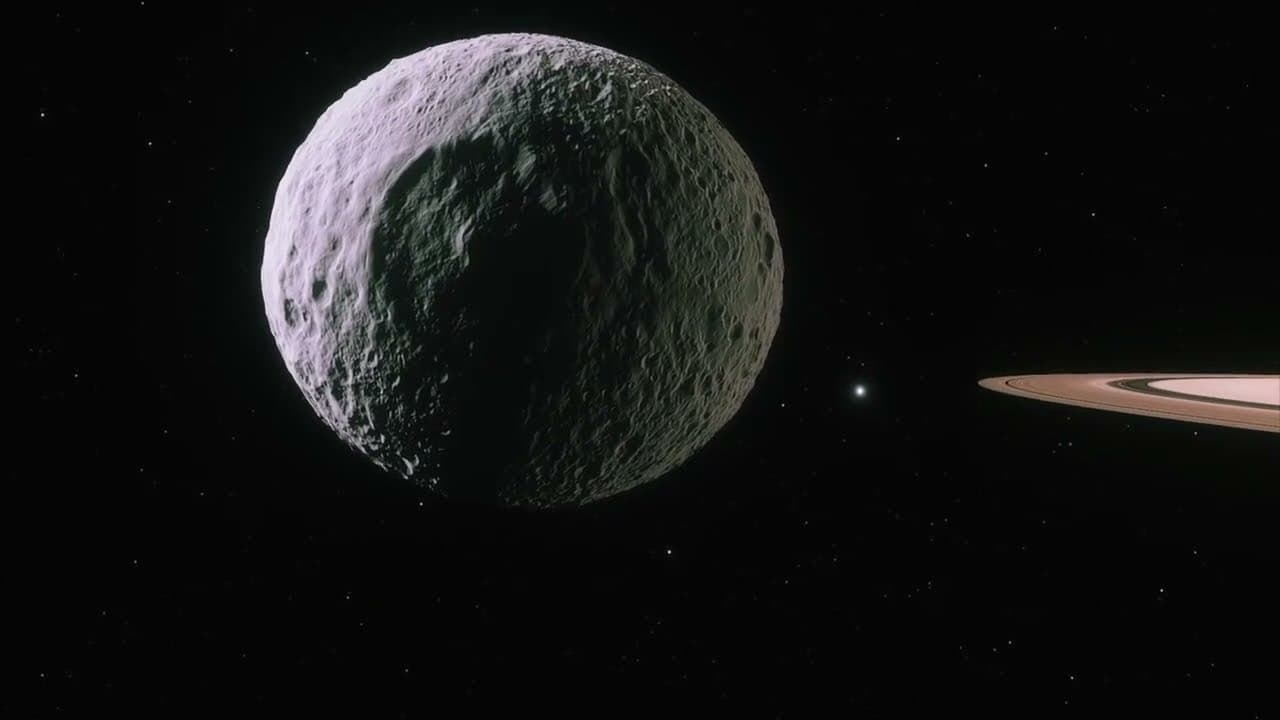
- 🌊 Mimas introduces the concept of stealth ocean worlds, where evidence of an ocean is not visible on the surface.
- 🎑 The Uranus system, despite being understudied, may have ice shell moon candidates.
Install to Summarize YouTube Videos and Get Transcripts
Explore YouTube Video Summarizer or Get YouTube Transcript Extractor
Questions & Answers
Q: How could gas giants like Jupiter and Saturn support life?
Gas giants may potentially host life in their upper atmospheres through the process of panspermia, where life from an inhabited planet infects the gas giant and evolves to adapt to the atmospheric conditions.
Q: What makes asteroids in the asteroid belt potential candidates for hosting microbial life?
Asteroids in the asteroid belt, like Ceres, contain rich mineral resources, water ice, and volatile compounds that could provide a suitable environment for microbial life.
Q: How do moons like Ganymede, Callisto, and Dione compare to Europa in terms of their potential for harboring life?
Similar to Europa, Ganymede, Callisto, and Dione are suspected to have subsurface liquid water oceans beneath their icy shells, making them potential candidates for life.
Q: What evidence suggests the possibility of microbial life in the upper atmosphere of Venus?
The presence of unknown UV absorbers, sulfur compounds, and small amounts of phosphine gas in Venus' atmosphere raise the possibility of alternative forms of life thriving in the upper atmosphere.
Summary & Key Takeaways
-
Gas giants like Jupiter and Saturn may host life in their upper atmospheres through panspermia, where life from an inhabited planet infects the gas giant.
-
Asteroids in the asteroid belt, such as Ceres, could provide a haven for microbial life due to their rich mineral content and water ice.
-
Pluto's subsurface liquid ocean and its origin as a Kuiper Belt object suggest that similar icy bodies in the Kuiper Belt could potentially harbor microbial life.
-
Moons like Ganymede, Callisto, and Dione are suspected to have liquid water oceans beneath their icy shells, making them potential candidates for life.
-
The moon, despite its harsh surface conditions, may have past or current life, either from Earth microbes or native life in subsurface pockets.
-
The upper atmosphere of Venus, with its earth-like conditions, is receiving increasing attention as a possible habitat for life, supported by indicators like unknown UV absorbers and sulfur compounds.
-
Mimas, a small moon of Saturn, represents a new class of ice shell ocean worlds with its stealth ocean, where evidence of the ocean's existence is not apparent on its ancient surface.
-
The Uranus system, including its moons Miranda, Ariel, Titania, Umbriel, and Oberon, holds potential for ice shell moon candidates, although further exploration is needed.
-
Io, despite its violent volcanic activity and harsh environment, could have started with significant water and may still possess enough subsurface water to support microbial life.
Read in Other Languages (beta)
Share This Summary 📚
Summarize YouTube Videos and Get Video Transcripts with 1-Click
Try YouTube Summary with ChatGPT & Claude or YouTube Transcript Generator
Explore More Summaries from John Michael Godier 📚



Summarize YouTube Videos and Get Video Transcripts with 1-Click
Try YouTube Summary with ChatGPT & Claude or YouTube Transcript Generator