Gerrymandering: The Battle for Fair Representation in American Politics
TL;DR
Gerrymandering is the practice of manipulating electoral district boundaries to give one party an unfair advantage, raising ethical questions about the principles of democracy.
Transcript
imagine you're a political strategist with the power to redraw your State's electoral districts you have the tools and data to shape these districts in a way that almost guarantees your party's majority in them for the next decade regardless of actual voter preferences here's the ethical dilemma is it fair or Democratic for you to use your skills a... Read More
Key Insights
- 🤨 Gerrymandering raises ethical questions about the balance between strategic political maneuvering and fair representation.
- 🥳 Cracking and packing are two primary forms of gerrymandering, aimed at diffusing or concentrating the voting power of opposing parties, respectively.
- 👻 Gerrymandering can significantly impact election outcomes, allowing a party to maintain control even with a lower percentage of the vote.
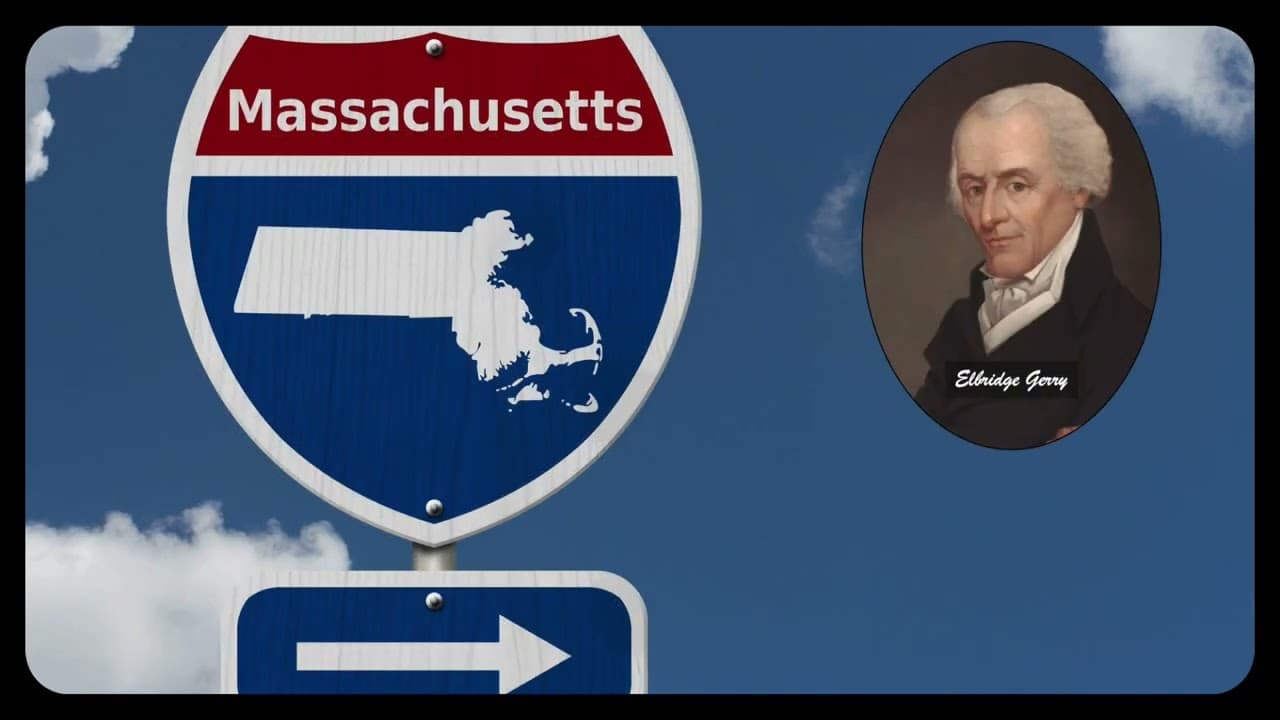
- 🇺🇸 The history of gerrymandering in the United States dates back to Governor Elbridge Gerry in 1812, highlighting its longstanding use as a political tool.
- ⛔ Legal limits on gerrymandering have been established, but there are challenges in defining when partisan gerrymandering becomes unlawful.
- ❓ Some states have implemented reforms such as independent redistricting commissions to combat gerrymandering.
- 🫡 Redistricting must adhere to various requirements, including equal populations, protection of minority voting rights, contiguity, compactness, and respect for political subdivisions and communities of interest.
Install to Summarize YouTube Videos and Get Transcripts
Explore YouTube Video Summarizer or Get YouTube Transcript Extractor
Questions & Answers
Q: What is gerrymandering?
Gerrymandering is the practice of manipulating electoral district boundaries to benefit one political party by either diluting the voting power of opposing party supporters (cracking) or concentrating party supporters into one district (packing).
Q: How does cracking work?
Cracking involves dividing supporters of a party across multiple districts, reducing their ability to elect preferred candidates. For example, spreading urban, typically Democratic voting populations across multiple districts could minimize their influence in any single district.
Q: What is the purpose of packing?
Packing aims to concentrate voters of one political party into a single district, allowing them to win by a significant margin while reducing their voting power in other neighboring districts. It can be used to limit the influence of opposing parties in certain areas.
Q: What are the impacts of gerrymandering?
Gerrymandering can lead to disproportionate representation, where the party with fewer votes can secure a majority of seats. This undermines the principles of fair representation and can result in distorted election outcomes that do not reflect the will of the voters.
Summary & Key Takeaways
-
Gerrymandering takes different forms: "cracking" involves dividing supporters of a party across multiple districts to dilute their voting power, while "packing" concentrates voters of one party into a single district to minimize their influence in other districts.
-
Examples of gerrymandering can be seen in districts such as the 35th congressional district in Texas (cracking) and North Carolina's 12th congressional district (packing).
-
Gerrymandering can have significant effects on election outcomes, as seen in the case of Wisconsin, where Republicans won a disproportionate number of seats despite receiving a lower percentage of the statewide vote.
Read in Other Languages (beta)
Share This Summary 📚
Summarize YouTube Videos and Get Video Transcripts with 1-Click
Try YouTube Summary with ChatGPT & Claude or YouTube Transcript Generator
Explore More Summaries from Noah Zerbe 📚
Summarize YouTube Videos and Get Video Transcripts with 1-Click
Try YouTube Summary with ChatGPT & Claude or YouTube Transcript Generator