The Bureaucratic Politics Model
TL;DR
The bureaucratic politics model explains how decision making in foreign policy is influenced by political struggles and competition between different government agencies.
Transcript
Hey everyone. Noah Zebre here. This is one of a series of short videos addressing decision making models in foreign policy. In this video we're going to look at the bureaucratic politics model. You should remember from our earlier videos that the default way we tend to think about the policy process is the rational actor model Under that ... Read More
Key Insights
- ❓ The bureaucratic politics model emphasizes the competitive and political nature of decision making in foreign policy.
- 🌍 Policy decisions may not always align with the national interest but could be the result of bargaining and compromise for bureaucratic interests.
- ❓ Implementation of policy decisions is also a political process and a site for continued struggle between bureaucratic agencies.
Install to Summarize YouTube Videos and Get Transcripts
Explore YouTube Video Summarizer or Get YouTube Transcript Extractor
Questions & Answers
Q: How does the bureaucratic politics model differ from the rational actor model in foreign policy decision making?
The bureaucratic politics model views decision making as a result of political struggles between multiple actors within the government, while the rational actor model assumes decision makers are guided by the national interest and use cost-benefit analysis.
Q: What influences policy decisions in the bureaucratic politics model?
Policy decisions in the bureaucratic politics model may result from bargaining advantages, coalitions, organizational effectiveness, or other factors, rather than solely being guided by the national interest.
Q: How do bureaucratic agencies compete with each other in the foreign policy-making process?
Bureaucratic agencies compete against each other for funding, personnel, prestige, and influence, leading to struggles and conflicts in the decision-making process.
Q: Can the bureaucratic politics model be observed in decision making of other countries?
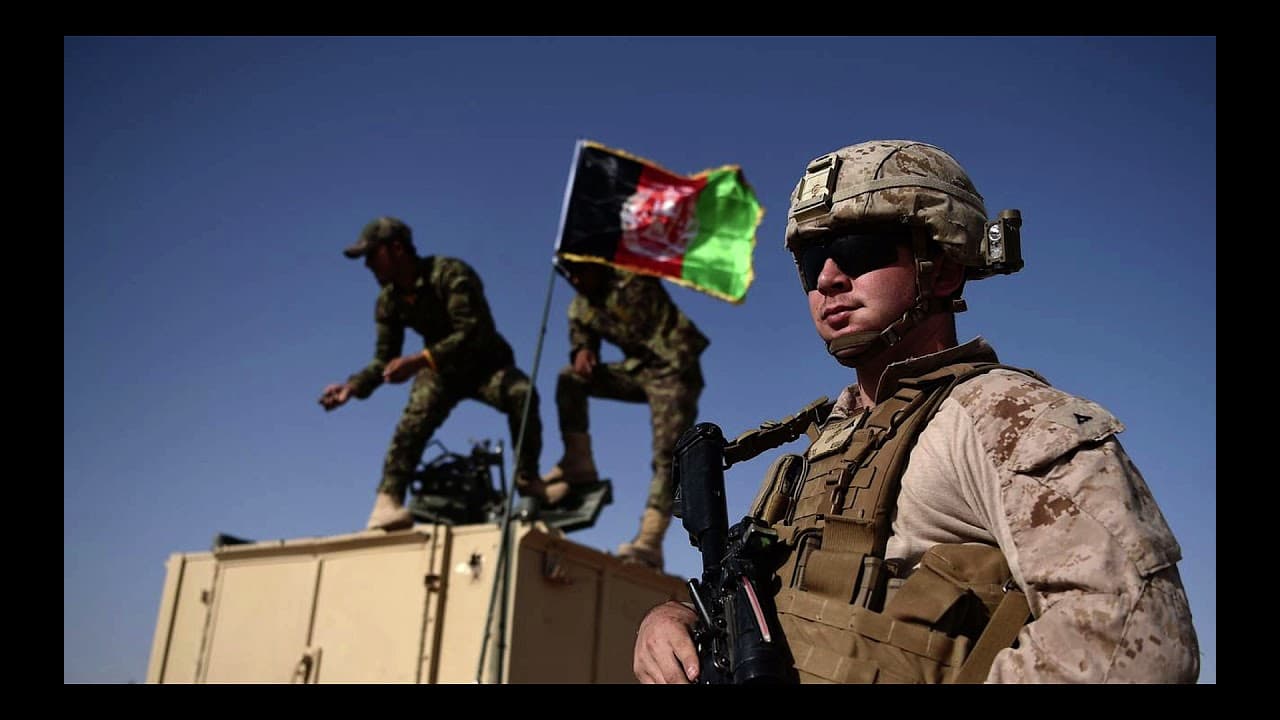
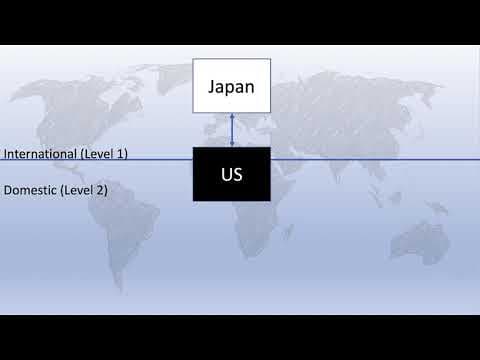
Yes, examples from Japan and research on the US mission in Afghanistan demonstrate how bureaucratic politics plays out in decision making processes globally.
Summary & Key Takeaways
-
The bureaucratic politics model deviates from the rational actor model by conceptualizing foreign policy decisions as the outcome of political struggles within the government.
-
Multiple actors within the government, with different preferences and worldviews, bargain and compete to determine policy outputs.
-
Bureaucratic agencies vie for funding, personnel, influence, leading to politicized decision making in foreign policy.
Read in Other Languages (beta)
Share This Summary 📚
Summarize YouTube Videos and Get Video Transcripts with 1-Click
Try YouTube Summary with ChatGPT & Claude or YouTube Transcript Generator
Explore More Summaries from Noah Zerbe 📚
Summarize YouTube Videos and Get Video Transcripts with 1-Click
Try YouTube Summary with ChatGPT & Claude or YouTube Transcript Generator