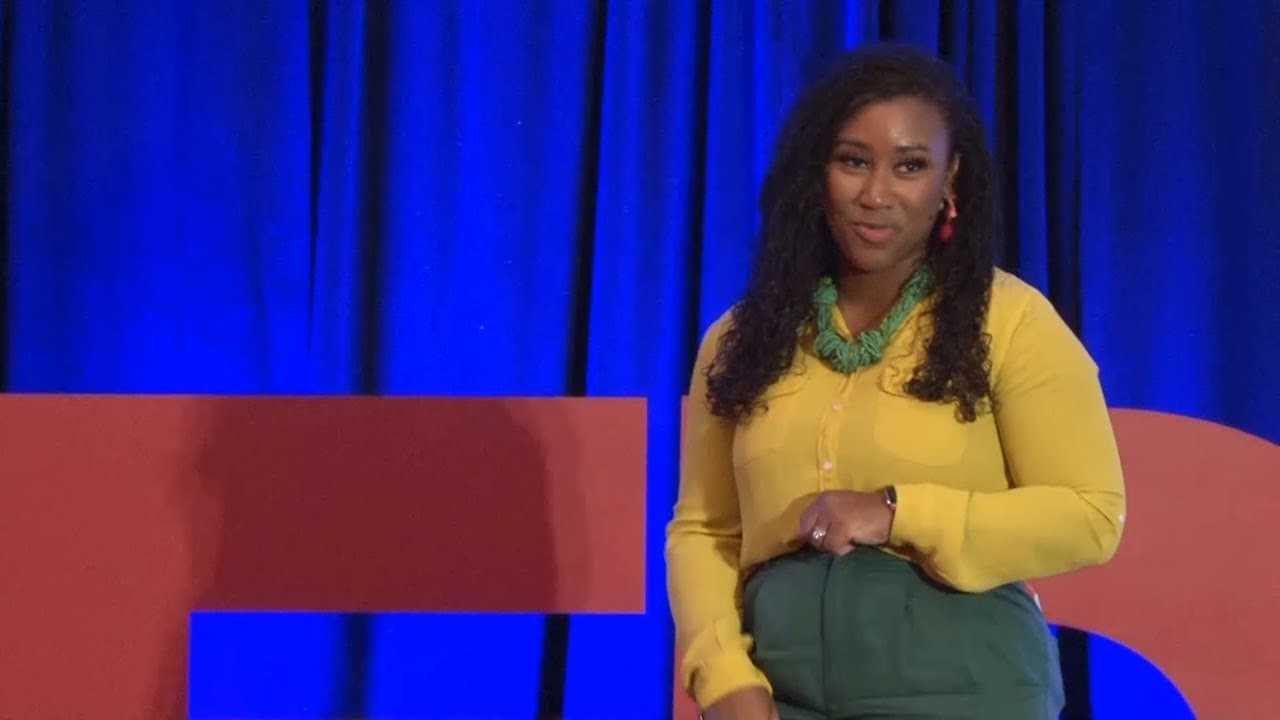
Transform your relationship with grief. | Jasmine Cobb | TEDxSouthlake
TL;DR
It is important to disconnect from unhealthy connections, self-connect to what brings meaning, and reconnect to what matters when dealing with grief and loss.
Transcript
everything I thought I knew everything I thought I believed turned out not to be true by a show of hands how many of you have ever experienced grief or a loss of any kind take a look around the room we're more connected than we probably thought there's death loss of course like when someone dies and there's nonee loss like the loss of a job ideas h... Read More
Key Insights
- 🌸 Loss can come in various forms, such as death, job loss, and shattered dreams.
- 🥺 Society often encourages quick replacement and connection after loss, but this may lead to emptiness and a lack of true healing.
- 😣 Loneliness and isolation can have severe impacts on mental and physical health.
- 🤳 Disconnecting from unhealthy connections and self-connecting to personal needs can be essential for genuine connection during grief.
- 🆘 Reconnecting with what brings meaning and purpose can help in the journey of grief.
- 🥺 Embracing the relationship with grief, rather than running from it, can lead to growth and healing.
- 😨 Self-care is an essential aspect of grief care.
Install to Summarize YouTube Videos and Get Transcripts
Explore YouTube Video Summarizer or Get YouTube Transcript Extractor
Questions & Answers
Q: How does society typically encourage individuals to cope with loss?
Society often promotes the idea of replacing the loss and seeking immediate connections as a way to fix the void created by grief. This can be seen in phrases like "plenty more fish in the sea" or "if at first you don't succeed, try again."
Q: What are the potential negative effects of loneliness and isolation?
Studies have shown that loneliness and isolation can increase mental health risks, such as anxiety and depression. They can also lead to physical health risks, including a higher likelihood of heart disease, stroke, and dementia.
Q: How did the author's family react to her loss?
The author expected support from her family during her grief, but they did not show up or provide any form of acknowledgment or comfort. This lack of support added to her feelings of isolation and abandonment.
Q: How did the author change her approach to grief?
The author decided to disconnect from unhealthy relationships, including severing ties or setting strong boundaries with family members who did not support her during her grief. She also made the decision to leave a job that did not honor her grief. By focusing on self-connection and reconnecting with meaningful aspects of life, such as finding a new job and reconstructing her shattered assumptions, she was able to find a sense of peace.
Summary & Key Takeaways
-
Society often encourages us to quickly replace and seek connections after experiencing loss, but this may lead to emptiness and isolation.
-
Loneliness and isolation increase mental health risks, such as anxiety and depression, as well as physical health risks, including heart disease, stroke, and dementia.
-
The author's personal experience with the loss of her mother highlights the need to disconnect from unhealthy relationships, self-connect to personal needs, and reconnect to meaningful aspects of life.
Read in Other Languages (beta)
Share This Summary 📚
Summarize YouTube Videos and Get Video Transcripts with 1-Click
Try YouTube Summary with ChatGPT & Claude or YouTube Transcript Generator
Explore More Summaries from TEDx Talks 📚



Summarize YouTube Videos and Get Video Transcripts with 1-Click
Try YouTube Summary with ChatGPT & Claude or YouTube Transcript Generator