This is why you get CORS errors sometimes
TL;DR
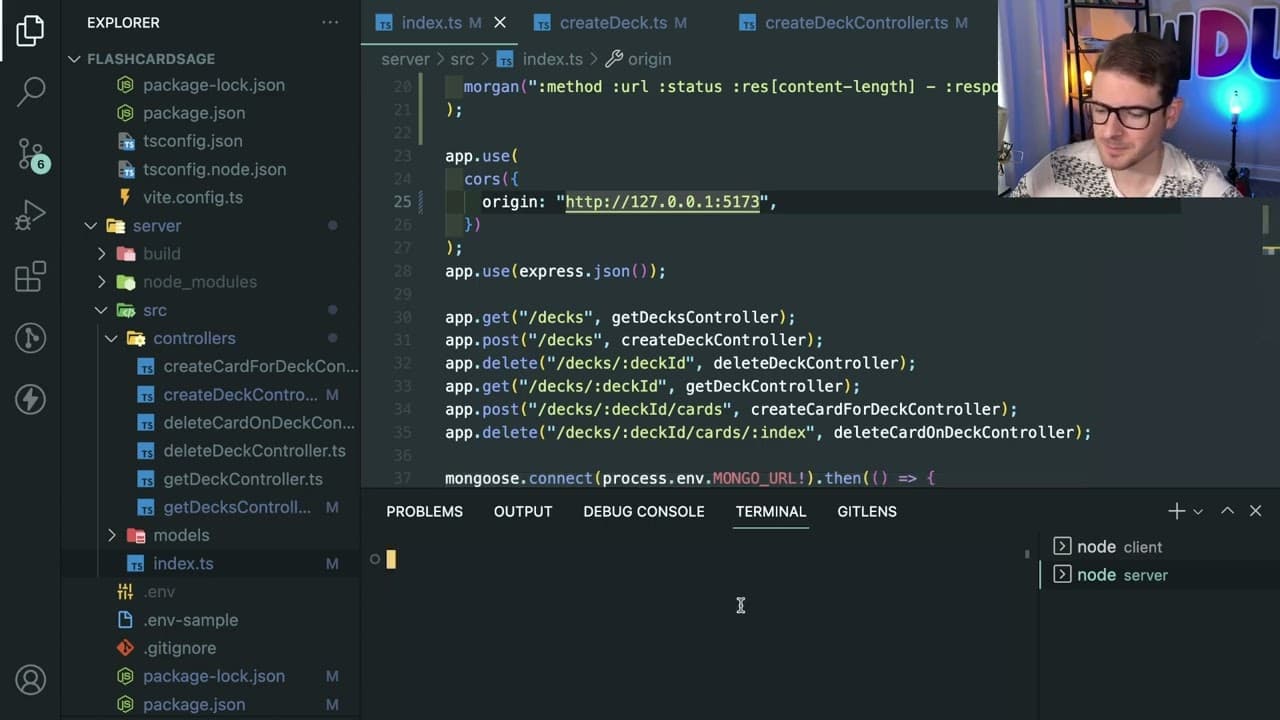
This video tutorial explains the core concepts of CORS errors and the same origin policy.
Transcript
how's it going everyone so recently I made a video where I kind of made a tutorial myrn Stack video and during that video I ran into a core zero where I kind of explained like what the core's error was and why it's being caused and I didn't really explain it too well so I figured hey I'm going to make a separate video about core specifically to mak... Read More
Key Insights
- 🕸️ CORS errors arise from the same origin policy, which limits web applications from accessing resources across different origins.
- 😑 Pre-flight requests are a crucial part of the CORS process for non-simple requests, designed to ensure that requests comply with security policies.
- 👨💻 A status code of 200 indicates the backend is processing requests correctly, regardless of the CORS error presented to the frontend.
- 😑 Developers can adjust request headers to avoid triggering pre-flight checks, simplifying request handling but requiring vigilance on data security.
- 🕸️ Thorough understanding of CORS and the same origin policy is essential for building secure web applications and APIs.
- 📁 While CORS prevents browsers from processing unauthorized actions, it does not protect APIs from direct requests made through tools like Postman or cURL.
- 😵 Properly configured server settings for CORS can mitigate domain-related risks, but developers must also safeguard against scenarios like cross-site request forgery.
Install to Summarize YouTube Videos and Get Transcripts
Explore YouTube Video Summarizer or Get YouTube Transcript Extractor
Questions & Answers
Q: What is CORS and why is it significant?
CORS, or Cross-Origin Resource Sharing, is a security feature implemented by web browsers that restricts web pages from making requests to a different domain than the origin from which they were served. This policy helps to prevent potentially malicious actions, such as a malicious website pretending to be a legitimate one and making unauthorized requests to a user's session. Understanding CORS is essential for web developers as it informs how they design APIs and handle cross-domain requests securely.
Q: How does the same origin policy function?
The same origin policy is a critical security measure that allows scripts running on a webpage to interact only with resources from the same origin (protocol, domain, and port). When a request is made to a different origin, the browser blocks the response unless appropriate CORS headers are set. This approach prevents malicious sites from reading sensitive data from another site a user may be authenticated to, thus enhancing web security.
Q: What happens during a pre-flight request in CORS?
A pre-flight request occurs when a browser makes an OPTIONS request before the actual request (such as a POST) to verify that the server's CORS configuration permits the request. The server must respond with specific headers, including Access-Control-Allow-Origin, indicating whether the actual request should be allowed. If the server fails to provide the correct headers, the browser blocks the request, preventing potential security risks.
Q: How can developers fix CORS errors in their applications?
Developers can fix CORS errors by configuring their server to include the necessary CORS headers in the response. For example, using middleware in Express, developers can set the Access-Control-Allow-Origin header to allow requests from specific domains or set it to "" for unrestricted access. However, using "" in production environments is discouraged as it may lead to security vulnerabilities. Always tailor the settings to ensure sensitive information is protected.
Q: Why is it unsafe to use "*" for CORS headers in production?
Using "*" for CORS headers allows any website to make requests to your API, creating a significant security risk. Malicious actors can exploit this open access by sending unauthorized requests that could compromise user data or affect server integrity. Instead, it's always recommended to specify allowed origins to ensure that only trusted domains can interact with your API, thus safeguarding against cross-origin attacks.
Summary & Key Takeaways
-
The video discusses CORS errors and the same origin policy, explaining their importance in web development and how they prevent security risks associated with cross-origin requests.
-
A detailed overview is provided on how pre-flight requests work for POST requests and how to set appropriate headers in your backend to control access.
-
The presenter emphasizes the complexity of CORS and urges viewers to refer to official documentation for accurate information while also inviting corrections to any inaccuracies in his explanations.
Read in Other Languages (beta)
Share This Summary 📚
Summarize YouTube Videos and Get Video Transcripts with 1-Click
Try YouTube Summary with ChatGPT & Claude or YouTube Transcript Generator
Explore More Summaries from Web Dev Cody 📚

Summarize YouTube Videos and Get Video Transcripts with 1-Click
Try YouTube Summary with ChatGPT & Claude or YouTube Transcript Generator