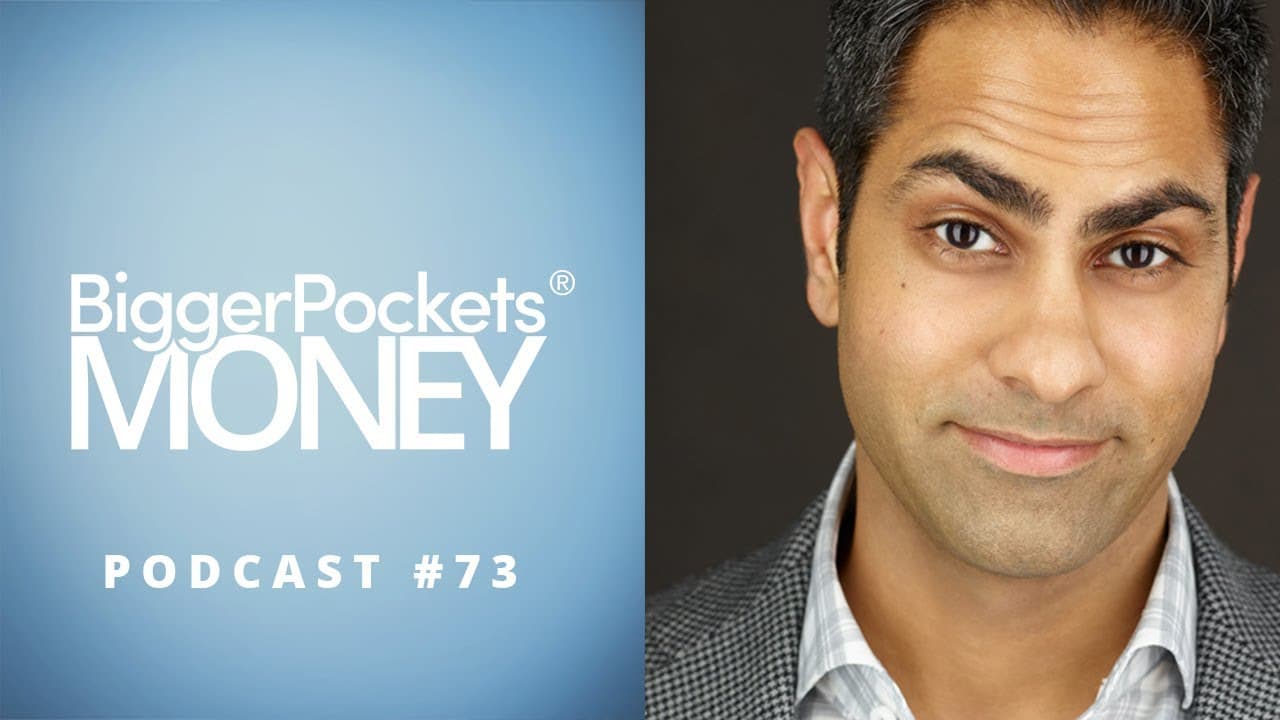
Ramit Sethi Will Teach You How To Be Rich! | BiggerPockets Money Podcast 73
TL;DR
Ramit Sethi shares strategies for achieving a rich life beyond financial independence.
Transcript
welcome to the bigger pockets money podcast show number 73 where we interview Remy Satie author of I will teach you to be rich it's time for a new American Dream one that doesn't involve working in a cubicle for 40 years barely scraping by whether you're looking to get your financial house in order invest the money you already have or discover new ... Read More
Key Insights
- Ramit Sethi emphasizes that 'rich' is subjective and personal, encouraging individuals to define what it means to them beyond just financial metrics.
- He advocates for a balanced approach to financial independence, combining savings with strategic spending on personal values and experiences.
- Sethi's book, I Will Teach You to Be Rich, offers a six-week program focused on automating finances, increasing income, and optimizing spending.
- He challenges conventional wisdom about homeownership, urging people to critically evaluate the investment potential of real estate versus stocks.
- Sethi highlights the importance of negotiating salaries and provides scripts and strategies to help individuals secure raises and better compensation.
- He critiques the FIRE movement for its potential to focus excessively on escaping disliked jobs rather than pursuing fulfilling work.
- Sethi encourages a shift from 'hot' emotional responses to money towards 'cool' rational planning, reducing anxiety and promoting financial well-being.
- His updated book includes new tools, insights, and diverse stories of how different people achieve their version of a rich life.
Install to Summarize YouTube Videos and Get Transcripts
Explore YouTube Video Summarizer or Get YouTube Transcript Extractor
Questions & Answers
Q: What does Ramit Sethi consider a 'rich life'?
Ramit Sethi defines a 'rich life' as one that is subjective and personal, going beyond financial metrics. It involves having the freedom to spend on things that matter to you, such as experiences and personal values, without guilt or stress. He encourages readers to define what 'rich' means to them and to align their financial decisions with that vision.
Q: How does Sethi view the FIRE movement?
Sethi appreciates the FIRE movement for encouraging high savings rates but criticizes its potential focus on escaping disliked jobs instead of pursuing fulfilling work. He believes that financial independence should be about moving towards a desired lifestyle and not just away from an unpleasant situation. Sethi advocates for a balanced approach that includes saving, spending, and investing in personal growth and happiness.
Q: What is Sethi's stance on real estate as an investment?
Ramit Sethi challenges the conventional wisdom that homeownership is always a great investment. He argues that primary residences often underperform compared to stock market investments due to hidden costs and low returns. However, he supports real estate as a viable investment if approached strategically, with proper risk management and diversification alongside equities.
Q: What strategies does Sethi recommend for negotiating a raise?
Sethi provides detailed strategies and scripts for negotiating raises, emphasizing preparation and performance. He suggests employees should document their achievements, understand their market value, and have clear goals for their role. By communicating their contributions and aligning with their boss's expectations, employees can make a compelling case for a compensation adjustment.
Q: How does Sethi suggest people manage emotional responses to money?
Sethi advises transitioning from 'hot' emotional responses to 'cool' rational planning regarding money. He believes that reducing anxiety and stress about finances involves automating savings and investments, setting clear goals, and focusing on long-term wealth building. By doing so, individuals can make informed decisions and live a more balanced and fulfilling life.
Q: What updates does Sethi's new edition of his book include?
The updated edition of I Will Teach You to Be Rich includes over 100 new pages with updated tools, insights, and strategies. Sethi addresses changes in financial products, offers new perspectives on spending psychology, and features diverse stories of people achieving their rich lives. He also corrects previous mistakes and refines his advice to be more inclusive and relevant.
Q: How does Sethi encourage readers to approach spending?
Sethi encourages readers to engage in conscious spending, which involves making deliberate choices about where to allocate money based on personal values and priorities. By automating essential financial processes and setting aside funds for guilt-free spending, individuals can enjoy their money without stress while still working towards long-term financial goals.
Q: What is Sethi's view on leveraging investments?
Sethi acknowledges the power of leverage in real estate investments but warns of its risks, especially during downturns. He advises investors to carefully run the numbers and manage their risk by diversifying their portfolios with equities and other assets. Sethi emphasizes the importance of being informed and strategic rather than relying on leverage alone for investment success.
Summary & Key Takeaways
-
Ramit Sethi's updated book, I Will Teach You to Be Rich, explores the concept of a rich life, emphasizing personal definitions of wealth beyond financial metrics. He encourages readers to automate finances, negotiate salaries, and make conscious spending decisions.
-
Sethi critiques the FIRE movement for sometimes focusing too much on escaping jobs rather than pursuing fulfilling careers. He stresses the importance of a balanced approach, combining savings with strategic spending aligned with personal values.
-
The book includes new tools and insights, challenging traditional views on homeownership and investment, and features diverse stories of individuals achieving their own versions of a rich life. Sethi promotes a shift from emotional to rational financial planning.
Read in Other Languages (beta)
Share This Summary 📚
Summarize YouTube Videos and Get Video Transcripts with 1-Click
Try YouTube Summary with ChatGPT & Claude or YouTube Transcript Generator
Explore More Summaries from BiggerPockets 📚






Summarize YouTube Videos and Get Video Transcripts with 1-Click
Try YouTube Summary with ChatGPT & Claude or YouTube Transcript Generator